
Lieferung heute & morgen

Qualitätsgarantie

Willkommens-Angebote freischalten: KOSTENLOSE Lieferung | Bis zu 80 % RABATT | Kostenlose 30-Tage-JoyPlus-Testphase
App herunterladen
Sustainable disposable tableware should be practical for barbecues, picnics, birthday parties and events, while avoiding unnecessary environmental impact. However, terms such as “biodegradable”, “compostable” and “eco-friendly” do not automatically mean the same thing. The key factors are the material, intended use, packaging information and disposal method.
As a Joybuy Product Recommendation Officer, I filter the most important selection criteria from product specifications. This makes it easier for you to see whether an item is right for your occasion and which marketing claims you should examine more closely.
Biodegradable materials can break down under certain conditions. However, this does not necessarily mean that they will decompose quickly or completely in a home compost heap. With compostable disposable tableware, it is therefore important to check whether industrial composting or another disposal method is required.
Look for specific manufacturer information and, where applicable, certification in accordance with DIN EN 13432. If this information is missing, “compostable” should not be understood as a general disposal recommendation.
A plate can be advertised as “sturdy” without specifying a maximum load or confirming that it is suitable for hot, greasy food. Different properties are important for a BBQ than for cakes or cold snacks:
Thin paper products in particular can become weaker more quickly when exposed to moisture. Sugar-cane plates and bagasse products are often marketed for hot food, but they should still be selected based on the specific product description.
Coloured, printed party tableware may look attractive and suit the occasion, but this alone says nothing about its material or disposal method. Check the following separately:
Paper napkins and paper straws come with additional requirements: napkins need to be sufficiently absorbent, while paper straws should be suitable for the temperature and intended duration of use of the drink in question.
Sugar-cane plates are generally made from bagasse, a fibre material derived from sugar cane. Product descriptions may mention properties such as water and oil resistance, microwave suitability or biodegradability. These details apply to the specific product and should not automatically be assumed to apply to all sugar-cane plates.
With paper plates and 500 ml paper bowls, the coating is particularly relevant. A greaseproof inner layer can make them easier to use with food, but it can also affect disposal. Check the information on the packaging and product page, as well as local regulations in Germany.
For main courses, plates measuring approximately 22 to 23 cm in diameter are often suitable. Smaller plates measuring around 15 cm are more suitable for desserts, cakes or finger food. Disposable bowls with a 500 ml capacity can work well for soups, stews, side dishes or salads.
Do not plan for just one plate per guest. For a menu consisting of a main course, dessert and second helpings, a larger pack may be more affordable and practical than placing several small reorders.
“Suitable for hot food” and “microwave-safe” are two different claims. An item may be able to hold hot food without being intended for heating in a microwave.
For example, the Jeden Tag Paper Plates 23cm White are described as suitable for hot and cold food, but according to the product information they are not suitable for microwaves or boiling liquids. These restrictions should be taken into account before purchase and when preparing food.
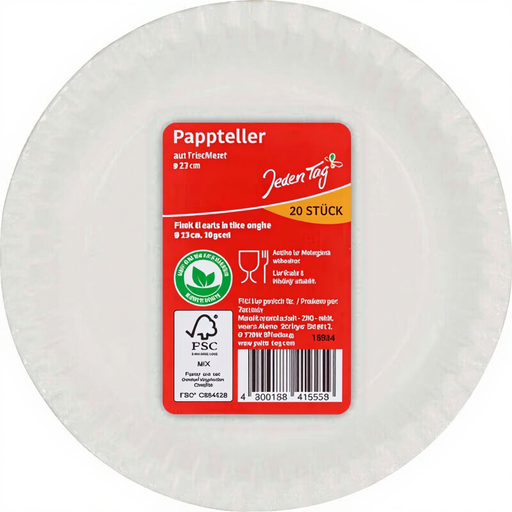
Why this product suits this profile: The pack contains 20 white paper plates measuring 23 cm in diameter. This makes it suitable for smaller celebrations, picnics or occasional use at home.
The product information clearly states that the plates are not microwave-safe and excludes the use of boiling liquids. This helps prevent incorrect use.
23 cm diameter; food-safe paper with stated grease resistance for hot and cold food.
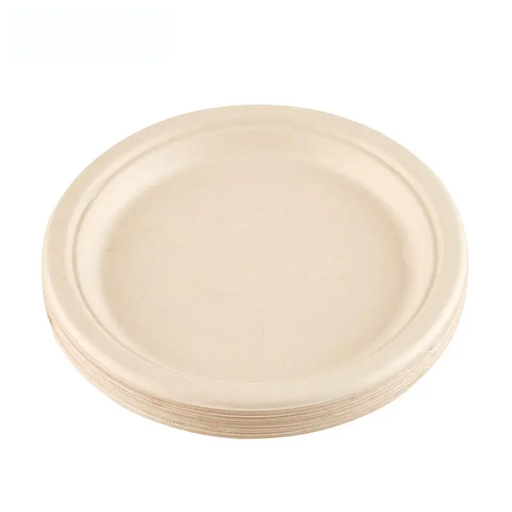
Why this product suits this profile: Made from food-safe sugar-cane fibre, these plates have a diameter of 22.5 cm and are designed for main courses, side dishes and desserts.
The product information clearly specifies the material, diameter, water and oil resistance, as well as microwave suitability. This makes it easier to check whether it matches your intended use.
22.5 cm diameter; according to the product description, water- and oil-resistant and suitable for microwave use.
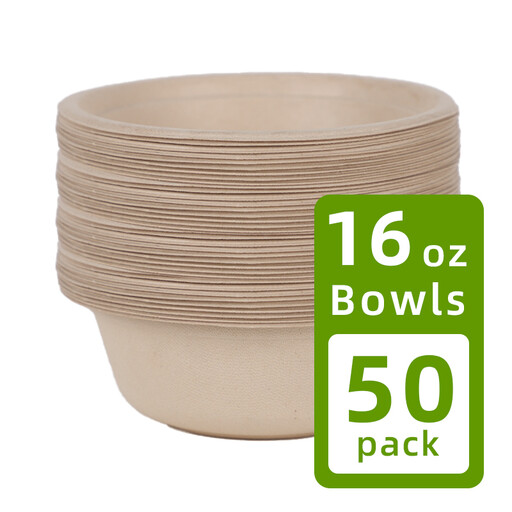
Why this product suits this profile: The pack of 50 disposable 500 ml bowls is designed for larger barbecues, soup serving stations, outdoor events and regular use.
The capacity is clearly stated, preventing small plates from being used incorrectly for soups or liquid food. The product description also mentions leak protection and thermal insulation.
500 ml capacity; 50 pieces per pack; according to the product information, designed for outdoor dining, BBQs and gatherings.
For a coordinated party tableware set, you can combine plates and bowls with practical accessories:
We have put together a complete, regularly updated list of products that fully meet these strict selection criteria and the safety regulations applicable in the EU.
No. “Sustainable”, “biodegradable” and “compostable” are not identical properties. Check the specific material information, certifications and intended disposal method. Local disposal rules may vary.
Depending on the product, sugar-cane plates, bagasse bowls or coated paper plates may be suitable. The decisive factors are the details on heat resistance, grease resistance and, where applicable, microwave suitability. Boiling liquids should only be served in bowls that are explicitly approved for this purpose.
For a simple celebration, it is practical to allow at least one plate, one bowl or an additional plate for dessert, plus two to three napkins per person. For self-service buffets, events with children or longer gatherings, allowing around 10 to 20 per cent extra is sensible. This helps you avoid reordering and unnecessary shortages during the event.