
Lieferung heute & morgen

Qualitätsgarantie

Willkommens-Angebote freischalten: KOSTENLOSE Lieferung | Bis zu 80 % RABATT | Kostenlose 30-Tage-JoyPlus-Testphase
App herunterladen
You're planning a party, a picnic, or a barbecue and want to make an eco-conscious choice without sacrificing the convenience of disposable tableware. However, the market for sustainable paper plates and their alternatives is flooded with terms like "eco-friendly," "biodegradable," or "compostable." Not every product lives up to its claims. Before you make a purchase, it's crucial to understand the common pitfalls that often lead to disappointment.
As your Joybuy Product Recommendation Officer, I'll help you navigate the marketing jungle and make an informed choice that is both practical and genuinely better for the environment.
Many well-intentioned purchases end with soggy plates or the realisation that the product isn't as eco-friendly as advertised. Pay close attention to these three points:
To avoid these traps, you should focus on verifiable features. The following three criteria will help you separate the wheat from the chaff.
The material is the deciding factor for both stability and sustainability.
A good, sustainable disposable plate needs to do more than just look good. Check the product description for information on its suitability for hot, wet, or greasy foods. Materials like sugarcane and bamboo have a clear advantage here over simple, thin cardboard. For a barbecue or a party with a buffet, sturdy sustainable partyware is essential.
The most reliable indicator of environmentally friendly disposable tableware is certification according to EN 13432. This seal confirms that the disposable plate is compostable and will decompose by at least 90% within 90 days in an industrial composting facility. Products without this label should be treated with caution, especially if they are advertised as "biodegradable."
Based on the criteria above, we have selected a few products from our range that are suitable for different needs and occasions.
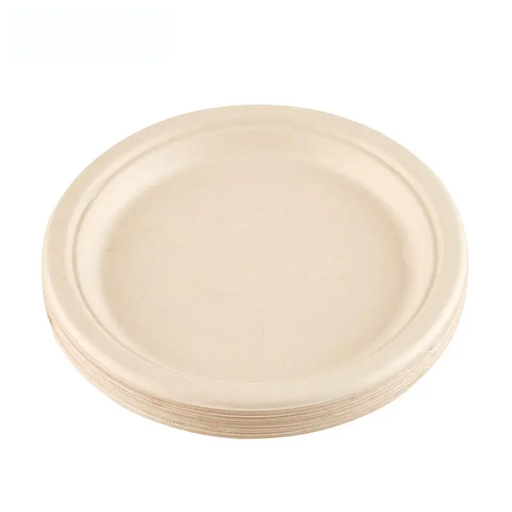
Why This Fits Their Persona: Ideal for parties or events where value for money and eco-friendly disposal are top priorities. These plates offer a functional and conscious solution for larger groups.
Made from sugarcane pulp (bagasse), these plates are naturally water and oil-resistant, avoiding the problem of soggy plates without relying on a plastic coating.
Biodegradable and microwave-safe, making them especially convenient for quickly reheating food.
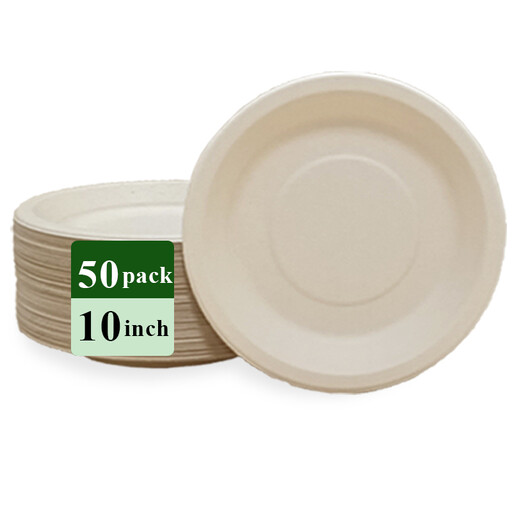
Why This Fits Their Persona: Perfect for hosts who value an appealing presentation and high functionality. These plates feel sturdy and can easily hold a full main course.
The bamboo fibre construction provides exceptional stability and naturally resists moisture and grease, eliminating the need for a hidden plastic coating.
Very high stability and a premium, natural feel. The generous 10-inch diameter is ideal for main courses.
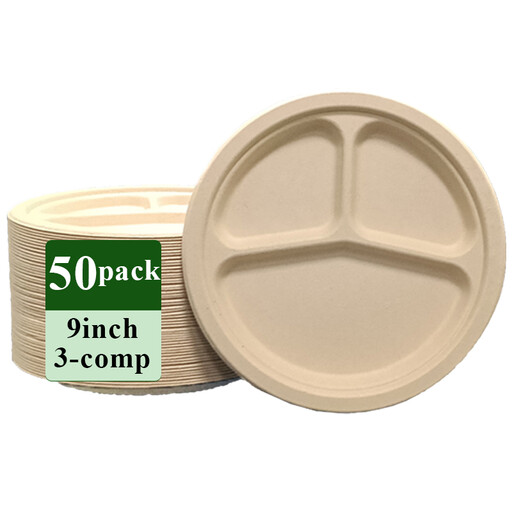
Why This Fits Their Persona: The three compartments are extremely practical for keeping different foods like a main, salad, and sauce separate. This is a huge advantage, especially at kids' birthday parties or buffets.
Offers the same high stability as other bamboo fibre plates and also solves the problem of mixed foods, which often leads to an unappetising result with less thoughtfully designed disposable plates.
Practical 3-compartment design for clean separation of food. Made from robust and sustainable bamboo fibre.
We have compiled a complete, real-time list of products that fully satisfy these strict selection criteria and UK safety regulations.
Yes, sugarcane plates are among the sturdiest options in the sustainable disposable tableware category. They are significantly more rigid than conventional paper plates and can easily handle heavier foods like a steak or a large portion of potato salad. They are also resistant to grease and moisture, so sauces won't soak through immediately.
This depends on your local waste management regulations. While plates certified with EN 13432 are suitable for industrial composting facilities, not all municipalities accept them in the organic waste bin. This is often because they are visually indistinguishable from non-compostable products. It's best to check directly with your local waste disposal provider. When in doubt, disposing of them in the general waste is the correct way.
The main advantage lies in the combination of stability and sustainability. Both bamboo plates and sugarcane plates are made from rapidly renewable resources or agricultural by-products. They are naturally more robust and resistant to moisture without the need for a plastic coating. This not only makes them more practical to use but also easier to compost.