
Lieferung heute & morgen

Qualitätsgarantie

Willkommens-Angebote freischalten: KOSTENLOSE Lieferung | Bis zu 80 % RABATT | Kostenlose 30-Tage-JoyPlus-Testphase
App herunterladen
For many households, choosing the right toilet paper is about more than just comfort. Environmental considerations are increasingly taking centre stage: Which material conserves resources? How can packaging waste be reduced? At the same time, softness, tear-resistance, and skin-friendliness should not be compromised.
This guide is designed to help you navigate your options. It introduces various materials and packaging types and presents a selection of products that successfully balance sustainability and quality. The goal is to provide you with an informed basis for your next bulk purchase.
A few objective criteria can help you find the right product for your needs.
The raw material has the biggest impact on a toilet paper's ecological footprint.
Packaging is another key factor. To avoid waste, plastic-free toilet paper is a sensible choice. Many manufacturers now offer their products in cardboard boxes or paper packaging that can be easily disposed of with paper recycling.
Buying a bulk pack of toilet paper or a value pack offers several advantages:
The number of plies (usually 3-ply or more) affects the paper's absorbency and tear-resistance. For those with sensitive skin, it is also advisable to look for products without bleach, fragrances, and dyes. Toilet paper for sensitive skin is often explicitly labelled as such and is made from pure, unprocessed materials.
Here is a selection of products that meet different requirements for sustainability, quantity, and comfort.
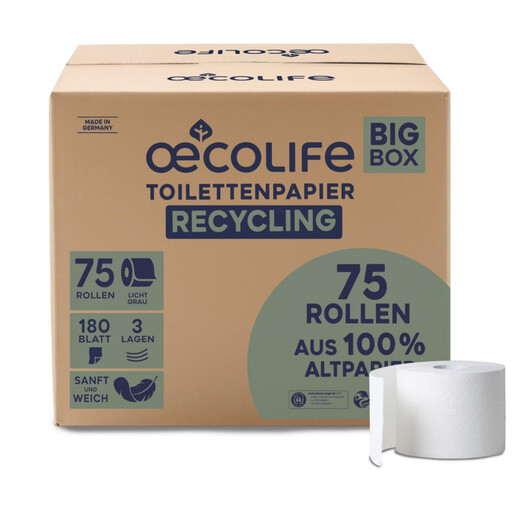
Why it stands out: This product combines a firm commitment to environmental protection with a very large supply. Made in Germany from 100% recycled paper and featuring completely plastic-free packaging, it's a well-thought-out choice.
Advantages:
Who is it for? Ideal for large families, offices, the hospitality industry, or anyone looking to stock up for the long term while maximising sustainability through recycling and reduced packaging.
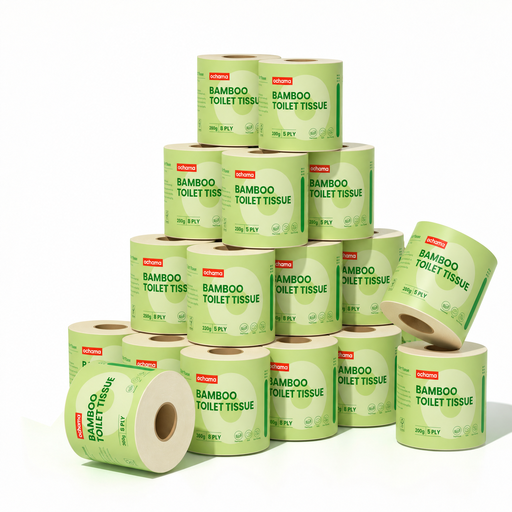
Why it stands out: With five plies, this bamboo toilet paper offers exceptional thickness and absorbency. The material, made from bamboo pulp, is known for its softness and is well-suited for demanding skin.
Advantages:
Who is it for? For households that place a high value on softness and comfort and are looking for an alternative to conventional or recycled paper. Especially suitable for people with sensitive skin.
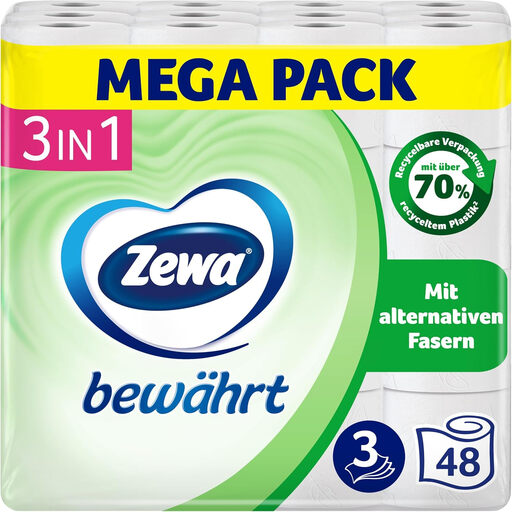
Why it stands out: Zewa incorporates straw, an agricultural by-product, as a raw material. According to the manufacturer, this achieves a combination of softness, strength, and absorbency while also conserving resources.
Advantages:
Who is it for? For consumers who appreciate the quality of a well-known brand and also want to try an innovative, more resource-efficient material composition. A great choice for everyday family use.
The selection presented here already covers a broad spectrum. However, if you prefer different pack sizes, materials, or specific features, there are more alternatives to explore.
? Discover our full range of eco-friendly toilet paper rolls
Both options are significantly more resource-friendly than toilet paper made from virgin wood fibres. Recycled toilet paper protects forests and uses existing materials, which closes the waste loop. Bamboo toilet paper is based on a very fast-growing plant. The choice depends on your personal priorities: direct waste reduction through recycling or the use of a fast-growing, new resource.
Pay attention to the product description and packaging type. Products delivered in large cardboard boxes, paper bags, or with paper bands are typically plastic-free. Terms like "plastic-free packaging" or "packed in cardboard" are clear indicators.