
Lieferung heute & morgen

Qualitätsgarantie

Willkommens-Angebote freischalten: KOSTENLOSE Lieferung | Bis zu 80 % RABATT | Kostenlose 30-Tage-JoyPlus-Testphase
App herunterladen
Finding the right ingredients for authentic Asian dishes can be a challenge. This is especially true for sweet potato glass noodles, also known as Dangmyeon, which vary in shape, texture, and composition. At the same time, interest in gluten-free alternatives to conventional pasta is growing.
This article serves as your guide. We'll explain the key features of Korean glass noodles and present a selection of products to help you make an informed purchasing decision.
To find the right product for your needs, a few criteria are crucial. Whether you're preparing classic Japchae noodles or looking for an ingredient for your hot pot, the details make all the difference.
The shape of the noodles significantly influences the cooking experience and mouthfeel.
The quality of glass noodles made from sweet potato starch depends directly on the raw materials used.
Asian noodles are available in various package sizes.
The noodles should always be stored in a cool, dry place away from direct sunlight to maintain their quality.
Here is a selection of sweet potato glass noodles that stand out for their specific properties, making them suitable for different culinary projects.
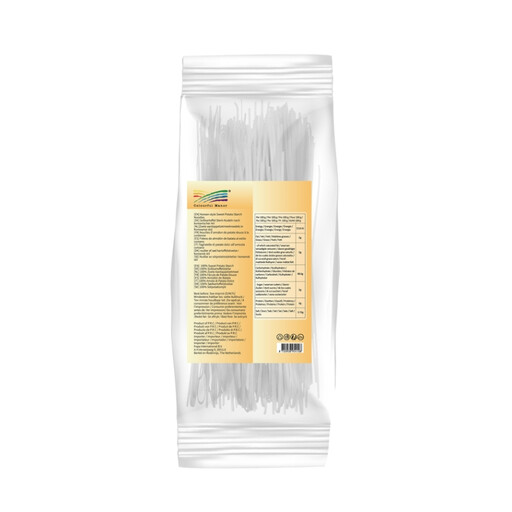
Why It Stands Out: These noodles are made in Korea from 100% pure sweet potato starch and embody the authentic foundation for traditional dishes. Their thin, round shape is specifically designed for preparing Japchae.
Key Features:
Who It's For: Home cooks who value authentic Korean ingredients and want to prepare classic Japchae or other Korean noodle dishes.
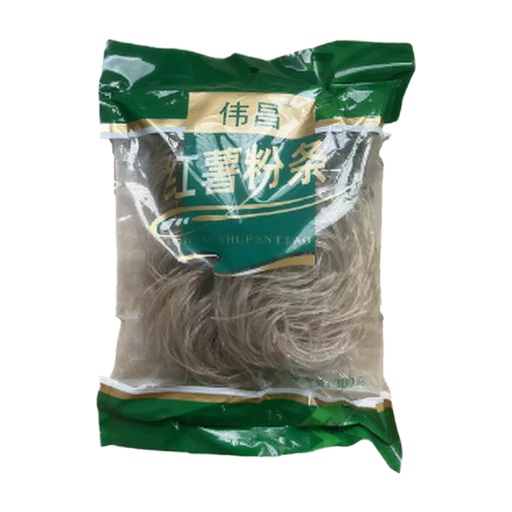
Why It Stands Out: These vermicelli noodles from China combine sweet potato starch with corn starch. This blend creates a specific texture that works well in soups, salads, and hot pot.
Key Features:
Who It's For: Cooks looking for a versatile noodle for Chinese cuisine, especially for dishes like hot pot or noodle soups.
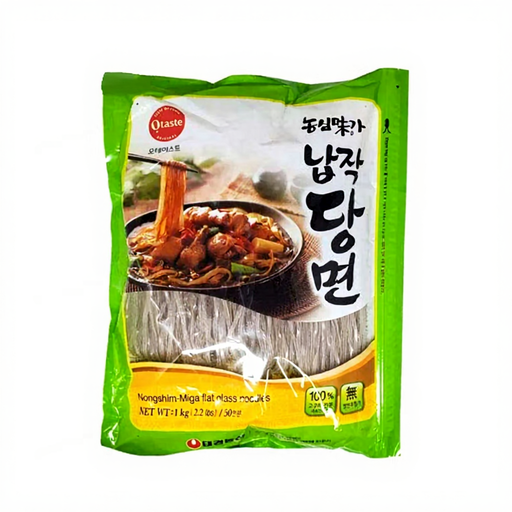
Why It Stands Out: These flat glass noodles from Nongshim are also made from 100% sweet potato starch and come in a convenient 1 kg bulk pack. Their wide shape makes them an excellent choice for dishes where the noodle is meant to soak up a lot of sauce.
Key Features:
Who It's For: Anyone who frequently uses Asian noodles, especially for soups and stews, and prefers an economical bulk pack.
If you want to discover more sweet potato products, from snacks to other noodle varieties, you can find a wider selection in our Sweet Potato category.
Noodles made from 100% sweet potato starch are naturally gluten-free. However, it is always advisable to check the ingredient list on the packaging, as some manufacturers may use other starches or additives that could contain gluten.
Preparation is straightforward. Typically, the dry noodles are first soaked in warm water for about 10–15 minutes until they become pliable. Then, they are cooked in boiling water for a few minutes (usually 3–7 minutes, depending on thickness) until they are translucent and soft, but still firm to the bite. After cooking, they should be rinsed with cold water to stop the cooking process and prevent them from sticking together.
Compared to glass noodles made from mung bean starch, sweet potato glass noodles are thicker, chewier, and more elastic. They don't get mushy as quickly when cooked. Unlike rice noodles, which are white and rather soft, they have a slightly greyish colour and a distinctly springier texture. Their neutral flavour makes them an ideal vehicle for bold sauces and spices.