
Lieferung heute & morgen

Qualitätsgarantie

Willkommens-Angebote freischalten: KOSTENLOSE Lieferung | Bis zu 80 % RABATT | Kostenlose 30-Tage-JoyPlus-Testphase
App herunterladen
As a Joybuy product recommendation expert, I'm here to provide you with clear, objective information to guide your purchasing decisions. Are you looking to prepare authentic Korean dishes like Japchae, or seeking a flavourful, gluten-free alternative to wheat noodles? Sweet potato glass noodles, also known as Dangmyeon in Korea, are renowned for their signature, pleasantly chewy texture and their ability to absorb sauces without turning mushy.
This guide is designed to help you understand the differences between the available products and find the perfect Japchae noodles for your culinary needs. We will explore various shapes, ingredients, and intended uses so you can make an informed choice.
The selection of Asian noodles can be overwhelming. The following three points will help you pinpoint the right product for your needs when you're looking to buy Asian noodles.
The shape of the noodles significantly impacts the mouthfeel and the dishes they are best suited for.
Authentic Korean glass noodles should ideally consist of just one ingredient: sweet potato starch.
Consider how much time you want to invest in preparation.
Based on the criteria above, we have compiled a selection of different product types that cover various use cases.
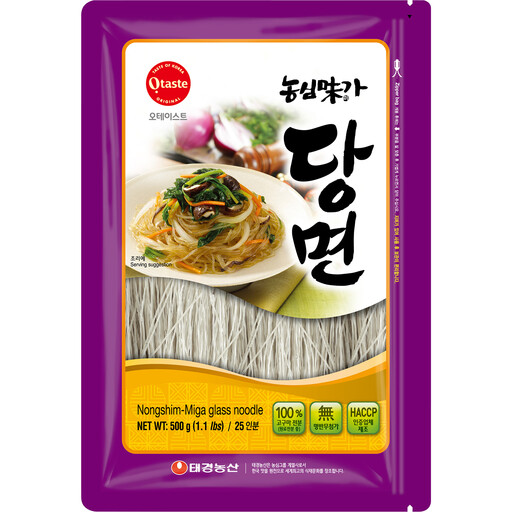
Why It Stands Out: This product represents the classic form of Dangmyeon traditionally used for Japchae in Korean cuisine. Made from 100% sweet potato starch, it delivers an authentic, chewy texture.
Pros:
Who It's For: Home cooks who want to prepare authentic Korean dishes like Japchae or noodle salads and who value traditional texture and pure ingredients.
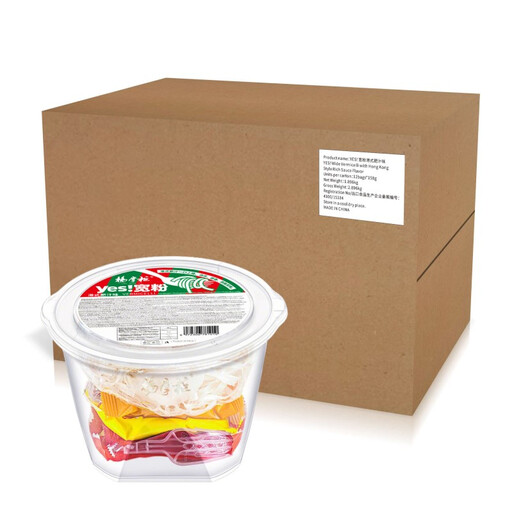
Why It Stands Out: This product is a complete meal kit that combines wide sweet potato vermicelli with a savoury soup base and other toppings. It offers a quick and easy solution for a filling meal.
Pros:
Who It's For: Individuals looking for a quick yet flavourful meal for the office or at home, who appreciate the chewy consistency of wide sweet potato noodles.
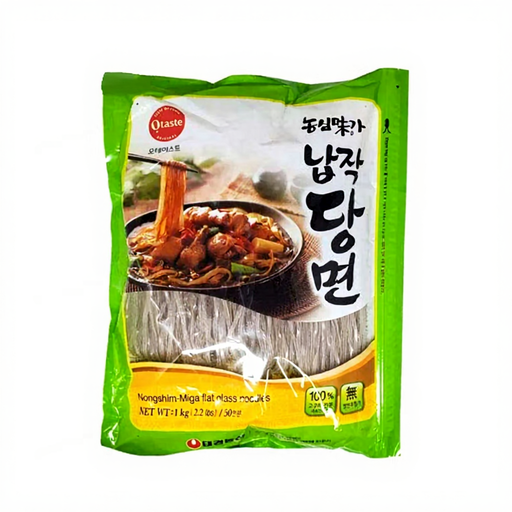
Why It Stands Out: This bulk pack offers flat, wide sweet potato glass noodles distinguished by their unique shape and pronounced bite. The pure composition makes them a versatile base for various dishes.
Pros:
Who It's For: Fans of hot pot and Asian soup dishes who prefer a noodle with a substantial bite. Also suitable for families or individuals who use sweet potato glass noodles regularly and want to stock up.
This selection covers some of the most common use cases. However, if you are looking for other brands, package sizes, or special noodle shapes, it's worth taking a look at our broader product category.
? Discover more options in our Sweet Potato Noodle category here.
Yes, glass noodles made from sweet potatoes are naturally gluten-free, provided they are made from 100% sweet potato starch. However, it is always wise to check the ingredient list on the packaging carefully to rule out any starch blends or notes about cross-contamination in the production facility.
The main difference lies in the raw material and the resulting texture. Korean glass noodles (Dangmyeon) are made from sweet potato starch. This gives them a greyish, translucent colour and a signature, particularly chewy and elastic consistency after cooking. Conventional, often lighter-coloured glass noodles are typically made from mung bean starch and are generally softer and less firm to the bite after cooking.
The preparation is straightforward. Bring a large pot of water to a boil. Add the dried noodles and cook for about 6–8 minutes, depending on their thickness, until they are cooked through but still al dente. Immediately drain the noodles and rinse them thoroughly under cold water to stop the cooking process. Let them drain well, then toss them with a little sesame oil. This prevents the noodles from sticking together and perfectly preps them for use in your recipe.