
Lieferung heute & morgen

Qualitätsgarantie

Willkommens-Angebote freischalten: KOSTENLOSE Lieferung | Bis zu 80 % RABATT | Kostenlose 30-Tage-JoyPlus-Testphase
App herunterladen
Sweet potato glass noodles, also known as Dangmyeon in Korea, are a key ingredient for authentic Asian dishes like Japchae or hot pot. But it's easy to fall into a common trap when buying them: not all products labelled "glass noodles" are suitable for every recipe. The wrong type of starch, an unsuitable thickness, or unexpected additives can ruin the cooking experience. This guide will help you avoid the most common purchasing mistakes and find the perfect noodles for your needs.
Many consumers grab the wrong product because they fall for unclear labelling or marketing promises. Pay close attention to these two points:
To ensure you buy the right noodles for your purpose, you should check two fundamental product features.
The most important factor for authentic taste and texture is the starch. Genuine Korean glass noodles (Dangmyeon) should ideally consist of 100% sweet potato starch.
Check the ingredient list carefully. Pure noodles should only contain sweet potato starch and water. This is especially important for purists and people with food intolerances.
Other products are complete meal kits. These contain seasoning packets, dried vegetables, or oil in addition to the noodles. Such kits are convenient but come with a longer list of ingredients, including potential allergens or additives like flavour enhancers. Decide based on whether you are looking for a pure ingredient or a quick, ready-to-make meal.
Here are some recommendations tailored to different needs and use cases.
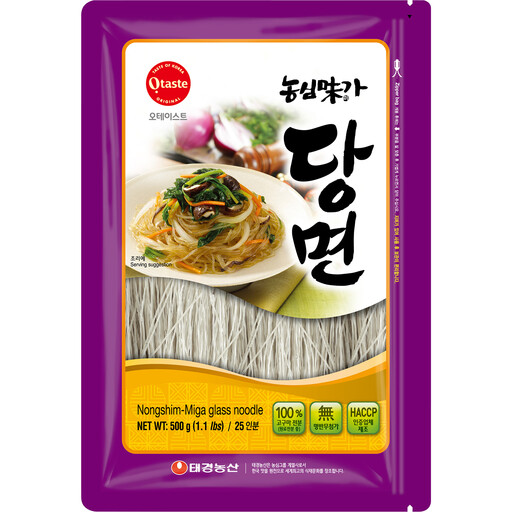
Why This Fits Their Persona: Ideal for anyone wanting to make authentic Japchae for the first time. Nongshim is an established Korean brand, and these noodles provide the classic texture that is crucial for the dish's success.
Made from 100% sweet potato starch according to the manufacturer, thus avoiding the "wrong starch" trap. The standard thickness is versatile.
Authentic, chewy texture that absorbs sauces well. Reliable quality from a well-known brand.
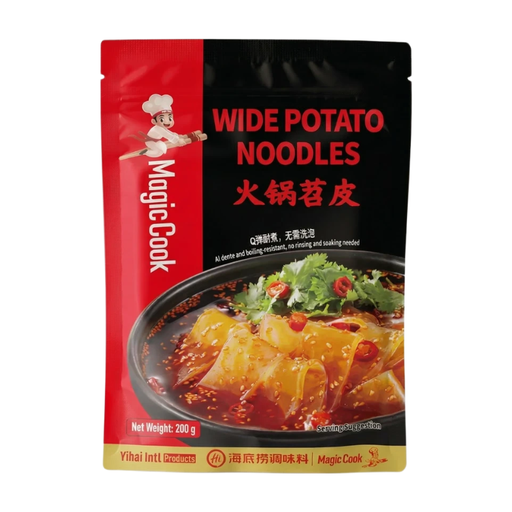
Why This Fits Their Persona: These noodles come from Haidilao, a brand famous for its hot pot restaurants. They are specifically designed to hold their shape and bite in boiling broth without disintegrating.
The wide, flat shape is ideal for hot pot, avoiding the problem of thin noodles getting lost in the broth. The composition is designed for cooking stability.
Stays elastic and al dente even with prolonged cooking. The wide shape absorbs the broth's flavours excellently.
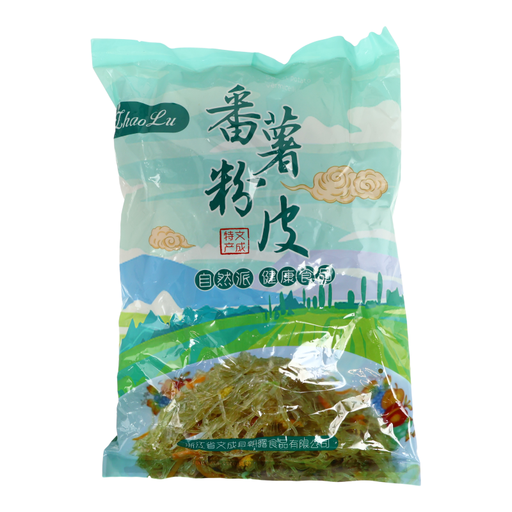
Why This Fits Their Persona: For anyone looking for a pure, unprocessed, and gluten-free noodle alternative. This product focuses on the essentials and is free from any additives, salt, or sugar.
The ingredient list is maximally transparent: 100% sweet potato starch. This completely avoids hidden additives or unwanted starch blends.
A pure, natural product with no salt, sugar, fat, or additives. Ideal for a conscious diet and as a versatile, gluten-free base.
We have compiled a complete, up-to-date list of products that meet these strict selection criteria and quality standards.
1. Do sweet potato glass noodles need to be soaked before cooking? Soaking the dry noodles in warm water for about 20–30 minutes is recommended. It significantly shortens the cooking time (from approx. 8–10 minutes to 3–5 minutes) and ensures a more even, thoroughly cooked texture. For soups or hot pot, the noodles can often be added directly to the boiling liquid, but they will require a longer cooking time.
2. Are all sweet potato glass noodles gluten-free? If a product consists exclusively of sweet potato starch and water, it is a naturally gluten-free noodle. However, it is always wise to check the product packaging. Some noodles may be processed in facilities that also handle wheat products, which can lead to cross-contamination. In ready-made meal kits, the accompanying sauces (e.g., from soy sauce) may contain gluten.
3. What is the difference between Dangmyeon and other glass noodles?Dangmyeon is the Korean name for glass noodles made specifically from sweet potato starch. They are known for their greyish colour and their particularly chewy, elastic consistency. Other Asian glass noodles, which are often lighter or almost transparent, are typically made from mung bean starch. These are generally finer, softer, and less stable during cooking than Dangmyeon.