
Lieferung heute & morgen

Qualitätsgarantie

Willkommens-Angebote freischalten: KOSTENLOSE Lieferung | Bis zu 80 % RABATT | Kostenlose 30-Tage-JoyPlus-Testphase
App herunterladen
Sweet potato glass noodles, also known in Korea as Dangmyeon, are an essential ingredient for many authentic dishes like Japchae. Their signature chewy and elastic texture, and their ability to absorb sauces without becoming mushy, make them unique. They are also a popular choice for those following a health-conscious diet, as they are often gluten-free noodles and low-fat noodles.
However, selecting the right product can be a challenge given the variety of starch blends and noodle shapes available. This guide is designed to help you make an informed decision by highlighting objective criteria and product features. We will introduce a selection of noodles suitable for different culinary needs.
To find the perfect product for your kitchen, a few criteria can help guide your selection.
The most authentic Korean glass noodles are made from 100% sweet potato starch. This composition provides the classic, exceptionally chewy and elastic consistency required for dishes like Japchae. Some products contain a blend of sweet potato starch and other starches, such as tapioca or corn starch. These blends can slightly alter the texture, often making the noodles a bit softer. A look at the ingredient list reveals the exact proportion of glass noodles from sweet potato starch and helps you choose the noodles with the texture that best suits your preference.
Sweet potato glass noodles are primarily available in two shapes: round and flat.
For health-conscious consumers, the nutritional facts are crucial. Many sweet potato glass noodles are naturally fat-free and sugar-free. The nutrition label on the packaging provides precise information on the calorie, fat, carbohydrate, and sugar content per 100 grams. Products made exclusively from sweet potato starch are also a great option for a gluten-free diet. However, it is always wise to check the allergen warnings, as they may be processed in facilities that also handle gluten-containing products.
Based on the criteria above, we have compiled a selection of products that meet different needs.
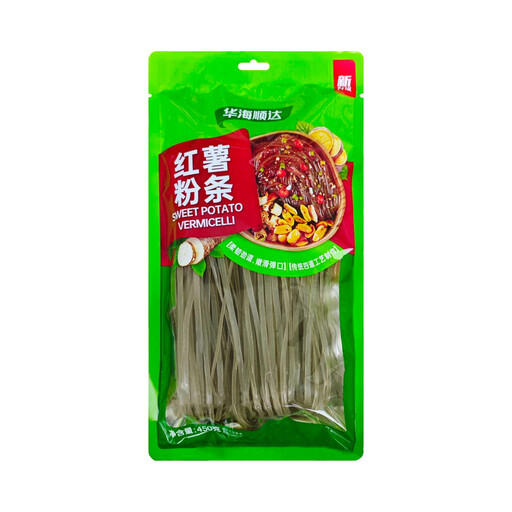
Why It Stands Out These noodles are made from a blend with a majority of sweet potato starch (≥60%), supplemented with tapioca and corn starch. This combination creates a smooth yet chewy texture that is suitable for a variety of preparation methods—from steaming and boiling to stir-frying and hot pot.
Pros
Best For This product is a great choice for home cooks looking for a versatile noodle for different Asian dishes who prefer a slightly softer texture compared to pure sweet potato glass noodles.
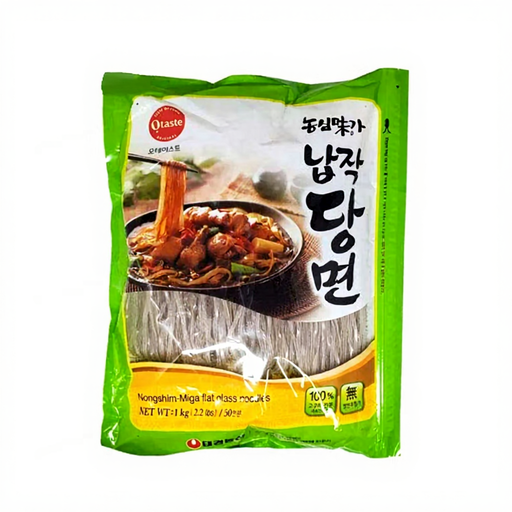
Why It Stands Out Made from 100% sweet potato starch, these flat glass noodles from Nongshim offer authentic Korean quality. Their shape makes them the ideal ingredient for soups and stews. The 1kg bulk pack is also practical for regular use.
Pros
Best For Ideal for enthusiasts of Korean cuisine who often prepare soups or hot pots and appreciate the texture of flat noodles. The bulk pack is suitable for families or anyone who regularly uses Dangmyeon.
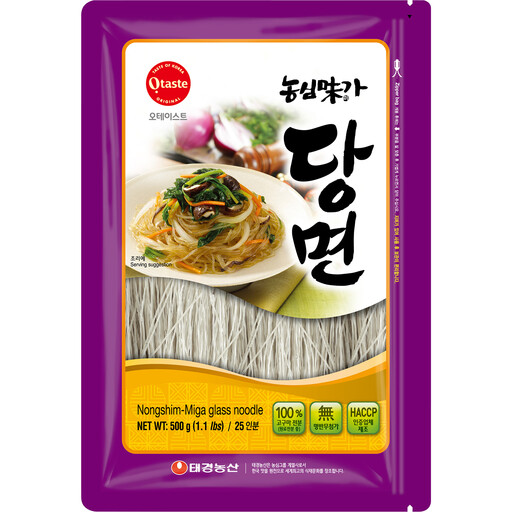
Why It Stands Out These noodles from Nongshim are the classic choice for preparing Japchae. They are made from 100% high-quality sweet potato starch and have the traditional round shape. Their texture is known for being exceptionally chewy and for perfectly absorbing the flavours of sauces without turning mushy.
Pros
Best For This product is aimed at anyone who wants to prepare the most authentic Japchae possible. It is the top choice for cooks who value the traditional texture and shape of Japchae noodles.
If the products featured here don't exactly meet your needs, or if you're simply curious about other varieties like noodles made from different starches or in different pack sizes, you can find a wider selection in our category.
? Discover more sweet potato noodles here
1. What is the difference between sweet potato glass noodles and regular glass noodles? The main difference is the raw ingredient. Sweet potato glass noodles (Dangmyeon) are made from sweet potato starch, which gives them a greyish, translucent colour and a very chewy, elastic texture. Conventional glass noodles are usually made from mung bean starch, are almost completely transparent after cooking, and have a softer, less elastic consistency.
2. Are sweet potato glass noodles gluten-free? Yes, if they are made from 100% sweet potato starch, they are naturally gluten-free. However, it is always wise to check the ingredient list and any allergen warnings on the packaging. Some products may contain traces of gluten if they are processed in a facility that also manufactures wheat products.
3. How do you cook sweet potato glass noodles correctly? Preparation is straightforward. Bring a large pot of water to a boil. Add the dry noodles and cook them for about 6–8 minutes, depending on the package instructions, until they are cooked but still al dente. Immediately drain the noodles and rinse them thoroughly under cold water to stop the cooking process. Let them drain well and toss them with a little sesame oil to prevent them from sticking together. They can then be used in your recipe right away.