For reheating leftovers
If you mainly want to reheat cooked sweet potatoes and individual portions during the renovation, make sure your dishes fit and look for easy-to-adjust power settings.


For cooked sweet potatoes and individual portions, a freestanding solo microwave is usually the obvious choice, provided the appliance and dish fit in your temporary kitchen space. A grill or convection function may be worth considering if you also want to brown or bake food during the renovation, but you’ll need to allow for more worktop space and cleaning. Cool cooked leftovers promptly and check that they’ve heated evenly. A microwave can’t make up for food that hasn’t been stored safely.
If you mainly want to reheat cooked sweet potatoes and individual portions during the renovation, make sure your dishes fit and look for easy-to-adjust power settings.
If you’re setting up a temporary space for an appliance, check its external dimensions against the space available and the dishes you actually plan to use.
If you’d also like to bake or brown food occasionally, a larger combination model could be an option – as long as it fits in the space you’ve set aside.
A good fit if: You mainly reheat individual portions and other leftovers, and want the flexibility to position the appliance where you need it.
The trade-off: Without a grill or convection function, it isn’t designed for browning or baking as a substitute for an oven.
A good fit if: You often reheat portions of different sizes, and a larger cooking space suits your dishes and the room you have available.
The trade-off: Panasonic describes the NN-SD36’s power control as precise, but that doesn’t guarantee that every sweet potato will heat evenly. It has a 29 l capacity, so you’ll need to allow for the extra space.
A good fit if: You also want to bake or brown food during the renovation because you don’t have an oven.
The trade-off: For the Samsung MC32DB7746KDE1, F.A.Z. Kaufkompass highlights the space it takes up and the effort needed to clean it; its test also describes heating as slow and uneven.
| What you need | What to check before buying | Who it matters most to |
|---|---|---|
| Reliable reheating of leftovers | Selectable power settings and a suitable dish; heat in stages and check that the food has warmed evenly. | If I mainly want to reheat individual cooked sweet potatoes or leftovers, I value simple controls and suitable power settings. Around 40 % of consumers prioritise straightforward reheating. |
| Space for the appliance and dishes | Check the external dimensions, space required and turntable against the dish you use; follow the installation instructions. | In a temporary kitchen, I want to know whether the appliance and plate will really fit in the space available. For around 30 % of consumers, finding a suitable spot comes first. |
| Keeping food moist while reheating | Check that the cover and dish material are suitable; with plastic, follow the temperature and wattage limits. | If keeping a portion moist matters more to me than minimising the effort involved, I pay attention to using suitable dishes and heating food carefully. Around 20 % of consumers prioritise moist reheating. |
| Extra cooking tasks | Decide in advance whether you really need a grill or convection function; check the space required and cleaning needs of the specific model. | If I also need to bake or brown food during the renovation, a microwave alone may not offer enough functions. Around 10 % of consumers prioritise having a possible substitute for an oven. |
The capacity doesn’t tell you the appliance’s external dimensions or whether your dishes will fit on the turntable. The models researched vary in their external dimensions and turntable size.
Measure the space you have and the dish you use most often. Compare both with the specifications for the model you’re considering, and follow the installation instructions.
Extra functions can mean needing more space and spending longer cleaning the appliance. For the Samsung MC32DB7746KDE1, which it tested, F.A.Z. Kaufkompass also notes that heating is slow and uneven.
Choose a grill and convection function primarily if you really want to bake or brown food during the renovation.
Microwaves can heat food unevenly. A higher wattage also won’t make up for food that wasn’t chilled properly beforehand.
Cool cooked leftovers promptly, reheat suitable portions and check that the food is hot all the way through. Verbraucherzentrale NRW recommends stirring food partway through heating.
The Sharp R-200WW is a freestanding solo microwave for straightforward reheating.
The NN-SD36 is a larger solo microwave with inverter technology, suited to households where capacity and power control matter.
The models reviewed range from a microwave with a grill to a larger combination microwave with convection.
According to Medion, the LIFE MD 10596 is a simply equipped solo microwave for reheating.
The freestanding solo microwaves below are designed for reheating leftovers and individual portions. Before choosing one, check that its dimensions and the dishes you use will fit in your temporary space.
 No image available
This freestanding solo microwave is designed for reheating at different power levels and defrosting.
19 l capacity; 700 W; six power settings; defrost function.
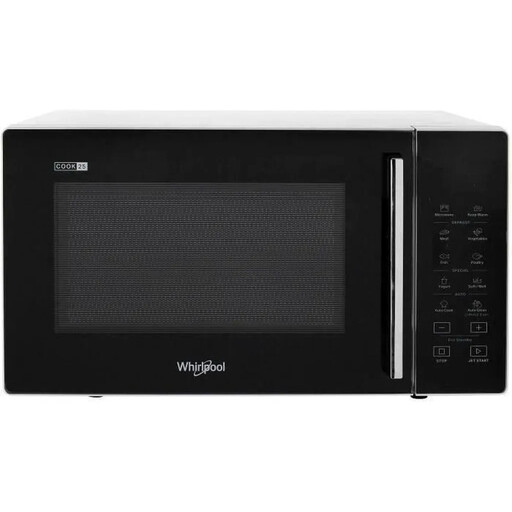 No image available
This freestanding solo microwave is an option if you need a larger cooking space for your dishes.
25 l capacity; 900 W; Jet-Start, Keep-Warm and Auto-Clean functions.
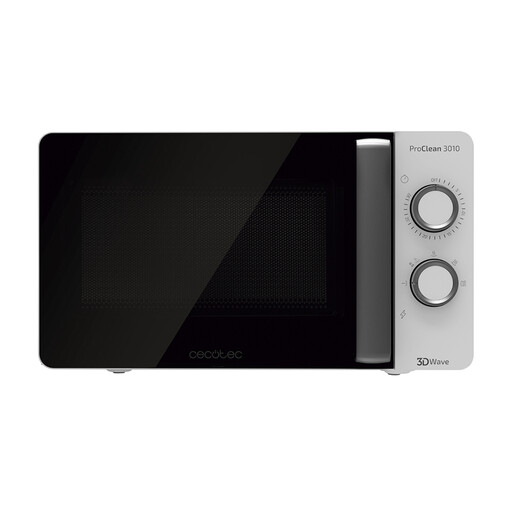 No image available
This worktop model is designed for reheating meals, with a choice of power settings.
20 l capacity; 700 W; six power settings.
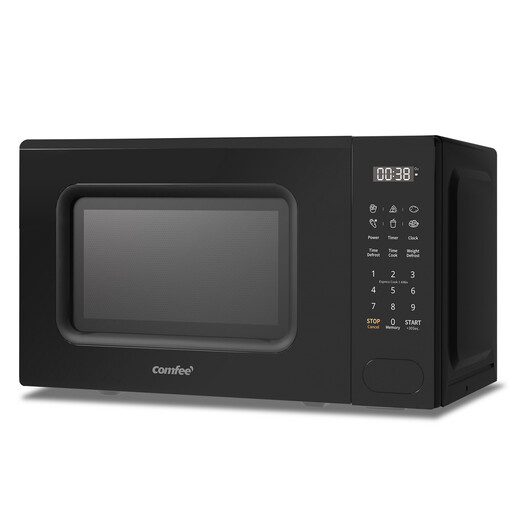 No image available
This digital microwave offers several power settings for different reheating needs.
20 l capacity; 700 W; eleven power settings; six pre-set programmes.
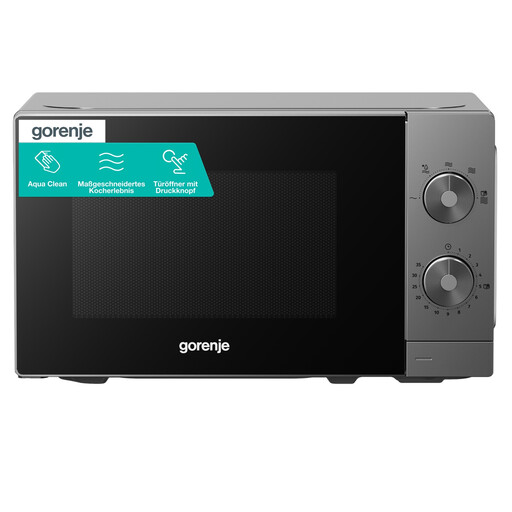 No image available
Mechanical dials and a freestanding design may be useful for a temporary kitchen setup.
20 l capacity; 700 W; five power settings; 25,5 cm turntable; defrost function.
Yes, as long as the leftovers have been stored hygienically and chilled promptly. The German Federal Institute for Risk Assessment stresses the importance of keeping food sufficiently chilled. Because heating can be uneven, Verbraucherzentrale NRW recommends stirring food partway through and checking that it has heated evenly. You can turn or cut a whole sweet potato to check it, but there’s no single reheating time that works for every case.
Use microwave-safe dishes, and pay particular attention to the stated temperature and wattage limits when using plastic. A suitable cover can help retain moisture, but it mustn’t seal airtight during heating.
If you can see mechanical damage or wear on the door, the German Federal Office for Radiation Protection recommends having the appliance checked by customer services and repaired or replaced if necessary. Its reassurance about radiation applies to appliances that are in proper working order.
Your statutory rights are against the seller and are separate from any voluntary manufacturer’s guarantee. If an item is faulty, you should generally ask the seller to put it right first. For new goods, the statutory warranty period is generally two years. Verbraucherzentrale explains these rights for Germany.
According to the European Commission, the manufacturer uses the marking to indicate that the product complies with the relevant EU product rules. The CE marking isn’t an independent EU quality mark, and it doesn’t mean that a particular model reheats sweet potatoes better.