
Lieferung heute & morgen

Qualitätsgarantie

Willkommens-Angebote freischalten: KOSTENLOSE Lieferung | Bis zu 80 % RABATT | Kostenlose 30-Tage-JoyPlus-Testphase
App herunterladen
The search for an approachable wine that suits both relaxed evenings on the balcony and social gatherings with friends often leads to medium-sweet rosé. Its accessible character and fruity notes make it a popular companion, especially during the warmer months. However, the selection is vast, and the labels are not always self-explanatory.
This article serves as a guide. It introduces objective criteria for selection and presents a curated list of wines that stand out for their specific flavour profiles and characteristics. The goal is to provide you with the necessary information to make an informed decision for your next wine purchase.
To find the right wine for your taste and occasion, a few basic criteria can be helpful.
In German and European wine law, "lieblich" (medium-sweet) is an official taste designation. A medium-sweet rosé wine has a residual sugar content of between 18 and 45 grams per litre. This makes it noticeably sweeter than an off-dry wine (up to 18 g/l) but not as intense as a wine declared "sweet" (over 45 g/l). Many consumers looking for a sweet rosé wine often find that the medium-sweet category offers just the right amount of sweetness, balanced by a pleasant acidity. Typical aromas for a fruity rosé include red fruits like strawberry, raspberry, and cherry, often complemented by floral or exotic notes.
A light-bodied rosé with a medium-sweet profile is a versatile summer wine. It is an excellent choice as an aperitif, for barbecues, or as a companion to light dishes. Due to its uncomplicated and accessible nature, it is often a great choice for rosé for beginners who are just starting to explore the world of wine. For the best taste experience, medium-sweet rosé should be served well-chilled. The recommended serving temperature is typically between 8 and 10°C.
For those who have found their favourite wine or are planning for a celebration, a rosé wine case can be a sensible option. A case of 6 rosé wine not only offers better value compared to buying single bottles but also ensures that a chilled bottle is always ready for spontaneous occasions. This is particularly convenient for sociable people who enjoy hosting guests.
The following products have been selected based on their objective characteristics, such as origin, grape variety, and flavour profile.
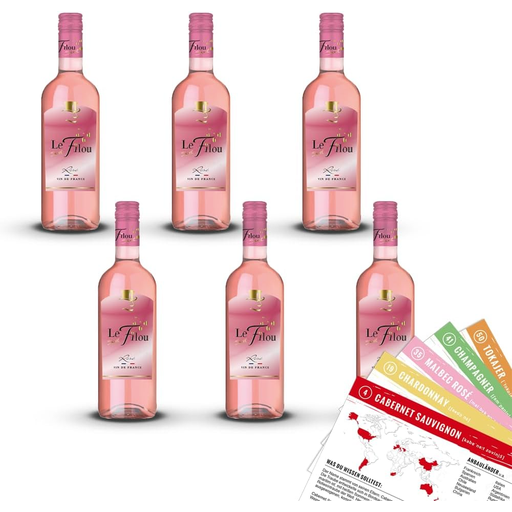
What makes it special This French rosé wine presents itself with a vibrant colour and a fruit-forward bouquet. The aromas are reminiscent of blackberry, melon, rose, and sour cherry. On the palate, it reveals a light and silky texture, making it a very approachable wine.
Pros
Best for Ideal for lovers of clearly defined fruit flavours who are looking for an uncomplicated wine for everyday enjoyment or to accompany light fish dishes and salads.
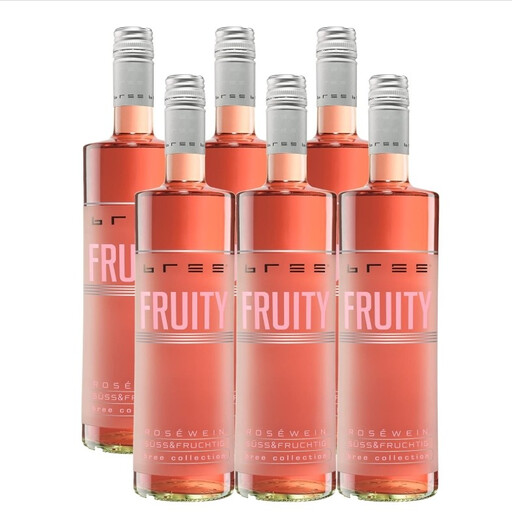
What makes it special This rosé from Germany is clearly positioned in the fruity and sweet category. It has a delicately fragrant bouquet and an intensely fruity taste. With an alcohol content of 8.5% ABV, it is one of the lighter examples of its kind.
Pros
Best for Perfect for anyone who prefers an explicitly sweet rosé wine with a light character. Its easy-drinking nature makes it a great choice to start an evening or for social gatherings.
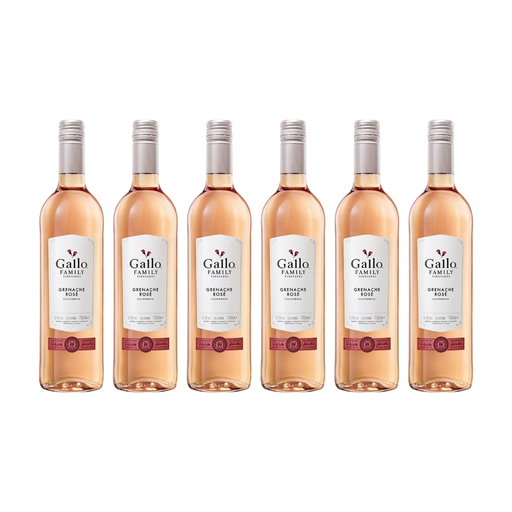
What makes it special This Californian rosé is made from the Grenache grape variety. It is characterised by aromas of flowers and fresh strawberries. Its flavour profile is described as sweet and soft. The recommended serving temperature of 6–8°C is slightly cooler than for the other wines presented.
Pros
Best for For wine drinkers who appreciate a soft, sweet rosé with an international character and are looking for a versatile wine that pairs with a variety of dishes.
If the wines presented here don't quite match what you're looking for, or if you simply want to explore a wider range of flavours, you can find other alternatives.
Discover more products in our sweet wine category.
1. What is the difference between medium-sweet and sweet rosé wine? The difference lies in the legally defined residual sugar content. A medium-sweet rosé wine contains 18 to 45 grams of sugar per litre. A wine labelled as "sweet" must have more than 45 grams of sugar per litre. Medium-sweet is therefore an intermediate stage that offers a noticeable but often well-balanced sweetness.
2. How cold should you drink medium-sweet rosé wine? The ideal serving temperature for most medium-sweet rosé wines is between 8 and 10°C. Some, like the Gallo Grenache Rosé, are recommended at 6 to 8°C. Proper chilling enhances the fruity aromas and ensures a refreshing drinking experience.
3. What does medium-sweet rosé wine pair best with? Medium-sweet rosé is a very versatile food pairing. It harmonises well with light summer salads, grilled fish, poultry, and antipasti. Due to its fruitiness and sweetness, it can also be an interesting partner for mildly spicy Asian dishes or desserts with red fruits.