
Same-day & Next-day Delivery

Quality Guaranteed

Unlock Your Welcome Offers: FREE Delivery | Up to 80% OFF | Free 30-day JoyPlus trial
Download the APP
A sweet wine can taste very different depending on the grape variety, origin and residual sugar content. Some bottles are fruity and light, while others are concentrated, full-bodied or sparkling. If you want to buy sweet wine, you should therefore not be guided solely by terms such as “fruity”, “mild” or “medium-sweet”.
Three common purchasing misconceptions occur particularly often:
Look at the specific classification: dry, medium-dry, medium-sweet, sweet or Dolce. Moscato and Asti Spumante often have pronounced grape and fruit notes. The acidity can help prevent the wine from tasting overly heavy or cloying.
A sweet white wine with peach and citrus aromas often pairs well with fruit salad, mild cheese or Asian dishes. A sweet red wine with berry and cherry notes can be served with desserts or strongly flavoured cheese. Depending on its acidity and alcohol content, a sweet rosé wine can be enjoyed as an aperitif or with light dishes.
You should also distinguish between the following product descriptions:
A low alcohol content of around 7.5 to 10 % vol can be found in many Moscato, Asti and fruit sparkling wine products, for example. This may be relevant for aperitifs or longer social occasions, but it does not replace responsible drinking decisions.
Dessert wines and fortified varieties can have a considerably higher alcohol content. Osborne Medium Dry Sherry, for example, is listed at 19 % vol. A bottle size of 0.75 litres is standard for wine, while Icewine is also often available in smaller bottles. When you buy wine online, always check the alcohol content, net quantity and number of bottles.
The right temperature changes how sweetness and acidity are perceived:
Unopened bottles should be stored somewhere cool and dry, protected from light. Once opened, sparkling wines in particular should be consumed as soon as possible and resealed. Many of the products listed contain sulphites or sulphur dioxide. This information is relevant when choosing a wine if you have a corresponding sensitivity.
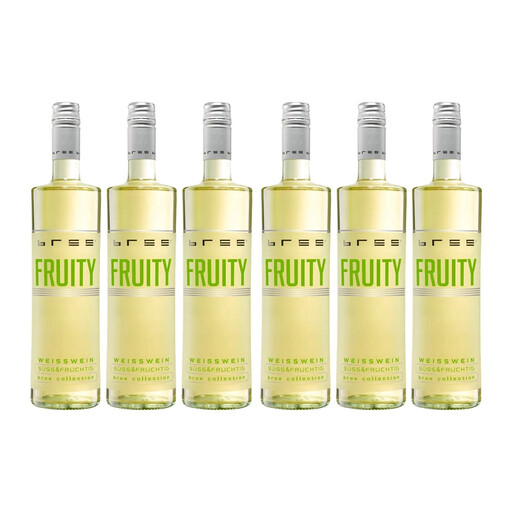
Why this product suits this profile: This German white wine is offered in a 6-bottle pack and, at 9 % vol with a recommended serving temperature of 8 to 10 °C, is easy to plan for social occasions. The peach and apple aromas described will appeal to shoppers looking for a fruity wine with gentle sweetness.
The product description lists grape variety and flavour characteristics, as well as alcohol content and serving temperature, rather than relying solely on a general promise of fruitiness.
6 bottles of 0.75 litres each; 9 % vol; labelled as vegetarian; serving suggestion of 8 to 10 °C.
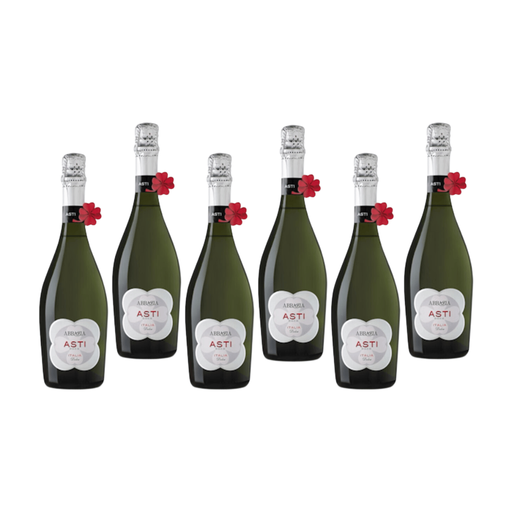
Why this product suits this profile: This Italian Asti Spumante comes from Piedmont, is made with Moscato and is described as “Dolce”, with an alcohol content of 7.5 % vol. The 6-bottle pack is suitable for aperitifs, celebrations or pairing with fruit desserts.
The DOCG designation, Moscato grape variety and stated sweetness level provide clear guidance on the wine’s origin and style.
Moscato; Dolce sweetness indication; 7.5 % vol; recommended serving temperature of 6 to 8 °C.
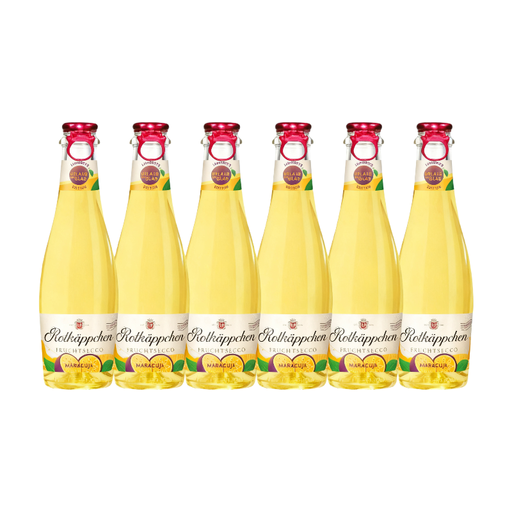
Why this product suits this profile: This flavoured wine-based drink, containing 1 % passion fruit juice and 8 % vol, is intended for celebrations, aperitifs and spontaneous get-togethers. According to the product information, it can be served chilled or over ice and garnished with fresh fruit.
The product type is clearly identified as a flavoured wine-based drink containing passion fruit juice. This distinguishes it clearly from classic wine or Moscato.
6 bottles of 0.75 litres each; 8 % vol; passion fruit flavour; recommended serving temperature of 8 °C.
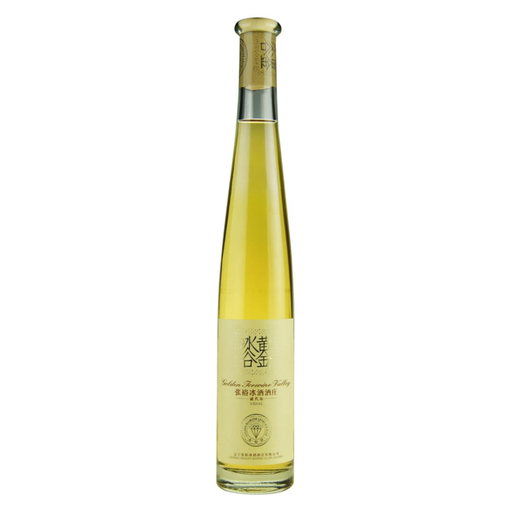
Why this product suits this profile: The small 375 ml bottle is ideal for special dessert pairings or carefully portioned serving. The stated aromas include honey, dried apricot, peach and tropical fruit; the alcohol content is typically 11 to 12 % vol.
The smaller volume reduces the risk of having to store a highly concentrated sweet wine speciality for a long time after the occasion.
375 ml; Vidal grapes according to the product description; serving temperature of 4 to 10 °C; suitable with fruit desserts and blue cheese.
We have put together a complete, regularly updated list of products that fully meet these strict selection criteria and the safety regulations applicable in the EU.
The ideal pairing depends on the sweetness and acidity:
Make sure the dessert is not significantly sweeter than the wine. Otherwise, the wine may taste less aromatic and more dominated by acidity.
Under German wine law, “medium-sweet” refers to a specific residual sugar range. “Sweet” or “noble sweet” wines have a higher residual sugar content. These terms do not automatically apply to every flavoured wine-based drink or sparkling wine. Always check the specific product category and the information on the label.
Light white wines, Moscato and Asti Spumante often taste best at 6 to 8 °C. Rosé wines are often served between 6 and 10 °C, while sweet red wines may be served at 8 to 10 °C. The manufacturer’s information should always be followed for the specific product.
Once opened, sparkling wine loses its carbonation relatively quickly. Reseal it with a suitable sparkling wine stopper wherever possible and store it in the fridge. Still wines should also be resealed and consumed within a few days. Dessert wines with a higher alcohol content may keep for longer. Always follow the information on the packaging and drink alcohol responsibly.