
Lieferung heute & morgen

Qualitätsgarantie

Willkommens-Angebote freischalten: KOSTENLOSE Lieferung | Bis zu 80 % RABATT | Kostenlose 30-Tage-JoyPlus-Testphase
App herunterladen
By Joybuy Product Recommendation Officer, July 28, 2026
The search for a good sweet wine can be more complicated than it first appears. Many wine novices and casual drinkers are looking for a straightforward, fruity wine that isn't too dry. However, on supermarket shelves, vague descriptions and marketing jargon often lead to disappointment. A wine advertised as "fruity" can turn out to be surprisingly tart, while another might taste overly sugary and unbalanced. This guide will help you avoid the common pitfalls and find a sweet wine that truly meets your expectations.
Before we dive into the selection criteria, it's helpful to understand the most common mistakes that often lead to a disappointing purchase.
To find a suitable sweet wine, you should pay attention to a few objective criteria. These will help you assess the quality and character of a wine better than any marketing description.
The most important piece of information for determining a wine's sweetness level is the residual sugar content. This indicates how many grams of sugar per litre remain in the wine after fermentation. In Germany, the following official taste profiles apply to still wine:
A "lieblich" or semi-sweet wine therefore has a clearly defined, noticeable sweetness that is not overpowering. It is the ideal choice for anyone looking for a wine for beginners or for those who don't enjoy dry wines.
The grape variety significantly shapes a wine's character. For a successful sweet wine, the interplay of sweetness, acidity, and fruit aromas is crucial.
Pay attention to the grape variety listed on the label. Brands like Maybach sweet wine often offer single-varietal wines that provide a clear flavour direction.
To make your decision easier, we have compiled a few products for different profiles and occasions.
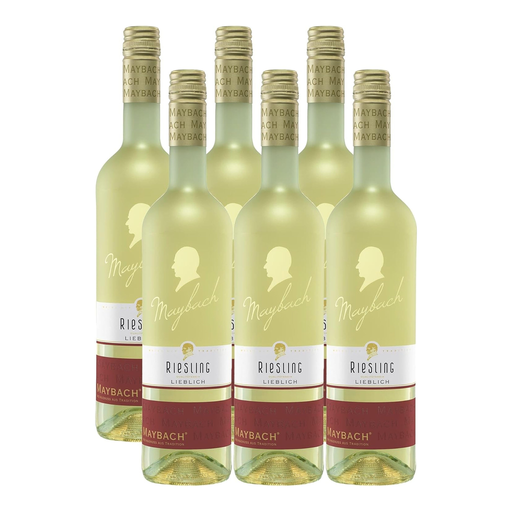
Why This Fits Their Persona: Ideal for wine beginners looking for a reliable and accessible wine. The Riesling offers a balanced sweetness with enough acidity to avoid being cloying. The sweet wine bundle is practical for stocking up.
This wine avoids the trap of unclear origin. As a quality wine (QbA) from the Pfalz region with a clearly declared grape variety (Riesling), it offers a reliable flavour foundation.
Classic Riesling profile with aromas of mirabelle plum and peach. The balance of sweetness and acidity makes it a versatile companion.
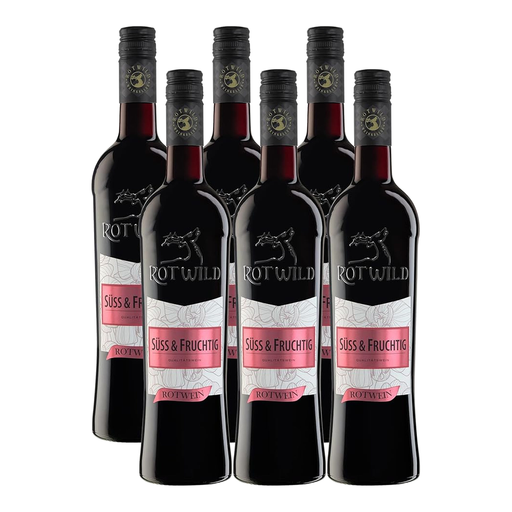
Why This Fits Their Persona: Perfect for those specifically seeking a sweet red wine that isn't too heavy. The fruity notes make it approachable and suitable for social gatherings or as a pairing for savoury cheese.
This wine avoids the "fruit-without-sweetness" trap. The description "Sweet & Fruity" delivers on its promise. The aromas of cassis and raspberry are supported by a clearly defined sweetness.
A red wine cuvée specially composed for a sweet flavour profile. According to the producer's recommendation, it can even be enjoyed slightly chilled, making it very versatile.
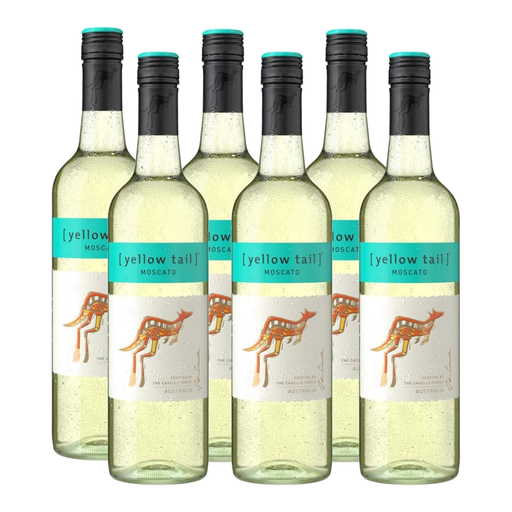
Why This Fits Their Persona: Anyone specifically looking for a wine to pair with dessert will find a suitable option here. Moscato is naturally very aromatic and sweet, with notes of peach and passion fruit that pair wonderfully with sweet dishes.
This wine falls into the sweet wine category (residual sugar 68.5 g/L) and makes no secret of it. It avoids the trap of vague descriptions by being clearly positioned as a sweet Moscato.
Very low alcohol content (7.5% ABV) and a refreshing sweetness. The lively aromas of freshly pressed grapes make it an uncomplicated pleasure.
We have compiled a complete, up-to-date list of products that fully meet these strict selection criteria and German regulations.
1. What is the exact difference between "lieblich" and "sü?" wine?
The difference lies in the legally defined residual sugar content. A wine is considered "lieblich" (semi-sweet) if it contains between 18 and 45 grams of residual sugar per litre. Wines with more than 45 grams of residual sugar per litre are classified as "sü?" (sweet) or dessert wine. "Lieblich" wine, therefore, offers a noticeable but moderate sweetness, whereas "sü?" wine has a distinct dessert-like character.
2. What foods pair well with sweet wine?
Sweet wine is a versatile food companion. A sweet white wine, especially a Riesling, harmonises excellently with the mild spice of Asian cuisine due to its balance of sweetness and acidity. It also pairs well with mild cheeses or fruity desserts. A sweet red wine can be a great complement to savoury cheese platters or chocolate desserts.
3. What is the best way to store sweet wine, especially when buying a case?
Store unopened bottles in a cool, dark place with a constant temperature, ideally lying on their side to keep the cork moist. Direct sunlight and significant temperature fluctuations should be avoided. Once opened, the bottle should be tightly resealed, stored in the refrigerator, and consumed within two to three days, as the wine will otherwise lose its freshness and aroma.