
Lieferung heute & morgen

Qualitätsgarantie

Willkommens-Angebote freischalten: KOSTENLOSE Lieferung | Bis zu 80 % RABATT | Kostenlose 30-Tage-JoyPlus-Testphase
App herunterladen
Finding the right bone conduction headphones for swimming can quickly become overwhelming. Many models promise water resistance, but few are actually suitable for use in a swimming pool. Incorrect assumptions about technical features often lead to disappointment and unnecessary expenses. This guide will help you understand the crucial criteria and avoid common purchasing pitfalls.
A widespread misconception concerns Bluetooth functionality. While it works perfectly on land, it is virtually useless underwater because water blocks the signals. A pair of headphones that relies solely on Bluetooth will not be able to accompany your swim training with music.
Another trap is confusing "water-resistant" with "waterproof." Many sports headphones are protected against sweat and rain (e.g., with an IPX4 or IPX5 certification), but they will not survive being submerged in water. A significantly higher protection class is required for swimming.
To ensure that a pair of headphones can withstand aquatic conditions and deliver reliable performance, you should check three core parameters. These features distinguish a model suitable for swimming from a conventional pair of sports headphones.
The IP (Ingress Protection) rating indicates how well a device is protected against the ingress of foreign objects (first digit) and water (second digit). For swimming, the second digit is crucial.
Since a stable Bluetooth connection is not possible underwater, you need headphones with a standalone playback capability. The solution is sports headphones with integrated storage.
These models function as a self-contained MP3 player for swimming. You can transfer your music files or podcasts directly from your computer to the headphones. A 32 GB memory, for example, offers space for thousands of tracks, allowing you to leave your smartphone in the locker room. Specifically look for underwater headphones with MP3 to ensure uninterrupted audio playback throughout your entire workout.
Open-ear sports headphones use bone conduction technology, where sound is transmitted to the inner ear via the cheekbones. This has two advantages: the ears remain free, which increases comfort and reduces the risk of infections. Additionally, awareness of ambient sounds is maintained, which enhances safety when running with bone conduction headphones or using headphones for cycling outdoors.
Look for a slim and flexible neckband design that fits comfortably under a swim cap and does not interfere with the strap of your swimming goggles. A secure fit is crucial to prevent the headphones from slipping during flip turns or fast movements.
The choice of the right model depends on your specific use case. Here are some recommendations tailored to different athlete profiles.
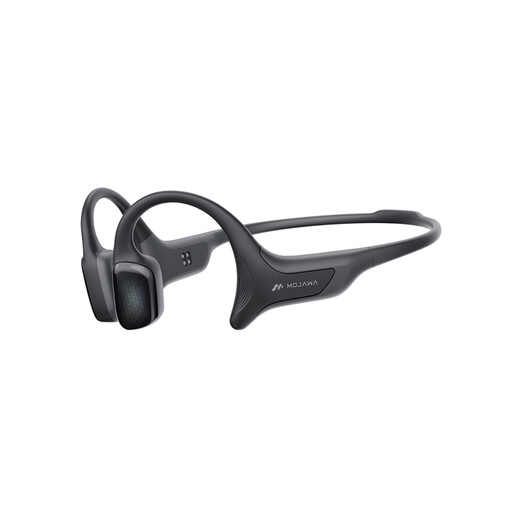
Why This Fits Their Persona: Ideal for triathletes and versatile athletes who want a single device for swimming, running, and cycling. The combination of IP68 waterproofing, MP3 storage, and additional fitness tracking features like heart rate monitoring makes it a comprehensive training companion.
This model sidesteps the Bluetooth trap with its 32 GB of integrated storage and meets the requirement for true swim training with its IP68 certification, rather than just being splash-proof.
Combines music playback (MP3 and Bluetooth) with built-in heart rate monitoring. The IP68 rating allows for swimming at depths of up to 2.5 metres, according to the manufacturer.
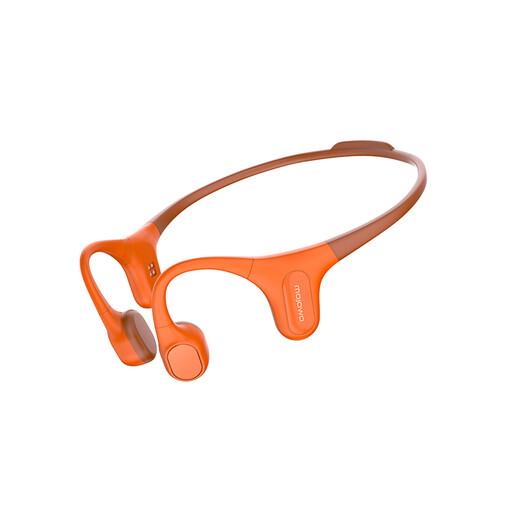
Why This Fits Their Persona: Perfect for athletes whose primary focus is swim training. The Mojawa Run Plus concentrates on the core requirements: complete waterproofing and reliable MP3 playback without the distraction of extra features.
With its IP68 certification, it is designed for submersion (up to 2 metres for 2 hours, per the manufacturer). The integrated 32 GB MP3 player makes it completely independent of a Bluetooth source in the water.
Offers a dual mode (MP3 and Bluetooth 5.2) for flexibility on land and in water. The fast-charging feature provides 80 minutes of playback after just 5 minutes of charging, according to the manufacturer.
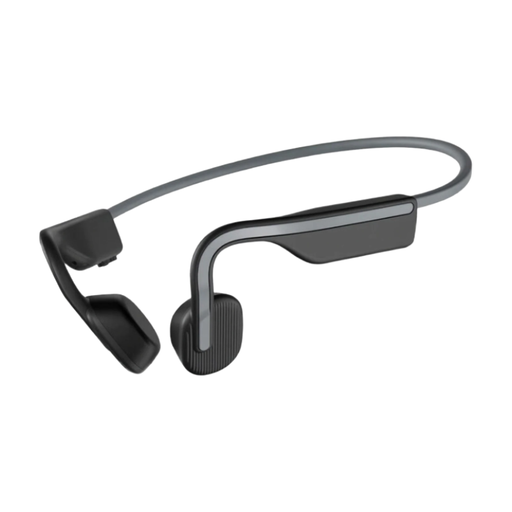
Why This Fits Their Persona: A great choice for runners, cyclists, or gym-goers who want to take advantage of the open-ear design (safety, comfort) but do not plan to swim with their headphones.
This model highlights the difference in waterproofing. With an IP55 rating, it is protected against sweat and splashes but is not suitable for swimming. It relies exclusively on Bluetooth and has no MP3 storage.
Very lightweight (29g) and offers a secure, comfortable fit for land-based activities. The integrated noise-cancelling microphone allows for clear phone calls.
Complete your athletic gear for any weather. If you are looking for performance apparel in addition to the right audio technology, you might find a suitable addition here.
Complete your all-weather training kit. Explore our selection of performance jackets designed to meet the needs of runners.
The sound perception underwater is different from on land. Many users find the sound in water to be clearer and more direct, as ambient noise is dampened by the water. Bass reproduction can vary depending on the model but is often surprisingly present in newer devices.
Yes, most bone conduction headphones have a built-in microphone and can be used for phone calls. However, this only works via the Bluetooth connection on land. In the water, the call function is unavailable due to the lack of Bluetooth connectivity.
The process is usually straightforward. The headphones come with a special USB cable that is often also used for charging. When you connect the headphones to a computer, they are recognised as an external storage device (similar to a USB stick). You can then simply drag and drop your music files (usually in MP3 or FLAC format) into the appropriate folder on the headphones.