
Lieferung heute & morgen

Qualitätsgarantie

Willkommens-Angebote freischalten: KOSTENLOSE Lieferung | Bis zu 80 % RABATT | Kostenlose 30-Tage-JoyPlus-Testphase
App herunterladen
Whether you’re looking for swimming aids, a paddling pool or pool toys, design isn’t the only thing that matters when choosing products for children to use in the water. Many disappointing purchases happen because age recommendations are vague, weight limits are overlooked or an inflatable product is mistaken for safety equipment. This guide explains what parents and carers in Germany should look for when buying swimming and water toys for children.
Armbands for babies, swimming discs for children and children’s life jackets can help support a child’s position in the water. However, they are not lifesaving equipment and do not reliably prevent drowning. Children must always be actively supervised by an adult, even when there is very little water in the paddling pool.
‘From 1 year’ alone tells you little about whether a product will actually fit. Weight, height and intended use are also important. For example, a product for children aged 1 to 6 may only be suitable for those weighing 11 to 30 kg. If the child’s weight isn’t within the specified range, the swimming aid may be too loose or may not support their body as intended.
Before each use, check the valves, seams and material of an inflatable paddling pool or swimming ring for children. Small leaks can go unnoticed. Inflatable pools should also be emptied completely after play, as even shallow water can pose a danger. A sun canopy reduces direct sunlight, but it doesn’t replace breaks in the shade or suitable sun protection.
Compare the product details with your child’s measurements. Swimming aids for children should neither dig in nor slip out of place. Adjustable models can be useful as children grow within the stated range. A weight limit must be followed and never exceeded.
For armbands for babies and toddlers, a secure fit around the armpits, properly closed valves and the right size are especially important. A children’s life jacket should be fully fastened; a crotch strap can help prevent it from riding up. Even so, it remains a learning and buoyancy aid, not a life-saving device for open water.
Foam discs don’t need inflating, so they can’t lose buoyancy because of a leaky valve. Inflatable products should be made from durable PVC or a similar material, with clearly described valves. Before buying, check:
For swimming discs for children, it’s also important to check how many discs are included and whether the buoyancy can be adjusted gradually. Removable elements may suit different stages of learning, but they’re no substitute for guidance from a qualified instructor or carer.
For a children’s pool, check the space available, water depth, capacity and how it can be emptied. A paddling pool for babies holding 28 to 56 litres of water is easier to fill and empty than a family pool. A larger pool needs more space and water, and takes longer to clean.
Avoid water toys for children aged 1 and over that have small detachable parts. For a water track for children aged 3 and over, you’ll need to allow enough space on a flat surface. Check the age recommendation and any warnings about small parts before buying.
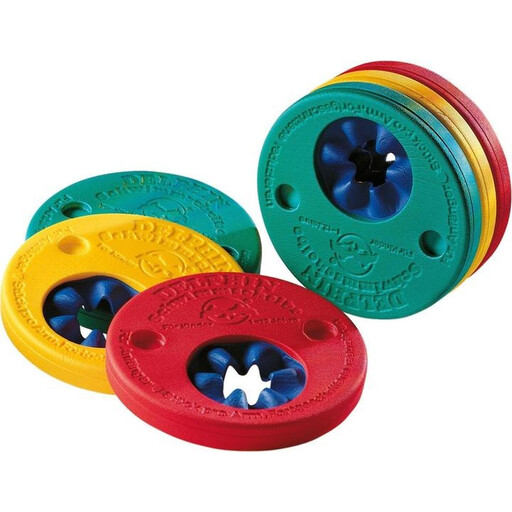
Why it suits this profile: The six foam discs don’t need inflating and are listed as suitable for children aged 1 to 12, or weighing up to 60 kg. They’re a good choice for families looking for an adjustable swimming aid for the pool, lessons or holidays.
As there are no air chambers, there’s no need to check for leaking valves. The discs can be removed individually, but the stated weight limit still applies.
Six high-density foam discs, one size and buoyancy that can be adjusted gradually.
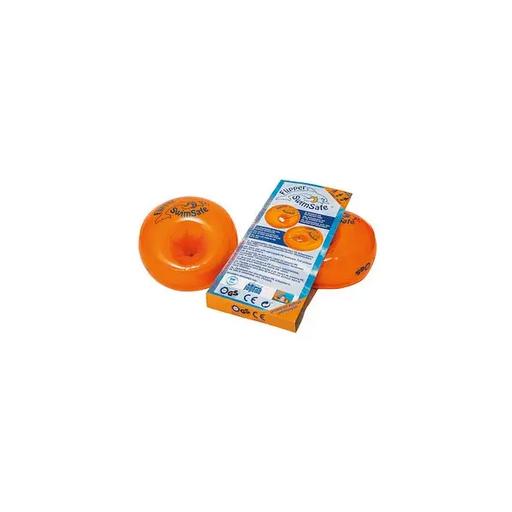
Why it suits this profile: Designed for children aged 1 to 6 who weigh 11 to 30 kg, this model combines a PE foam core with an adjustable air chamber. You can adjust the fit by changing the air pressure.
The PE foam core provides buoyancy independently of the air pressure. Even so, check the air chamber, valve and anti-slip area before every use.
Adjustable air chamber, safety valve and anti-slip lining around the armpits.
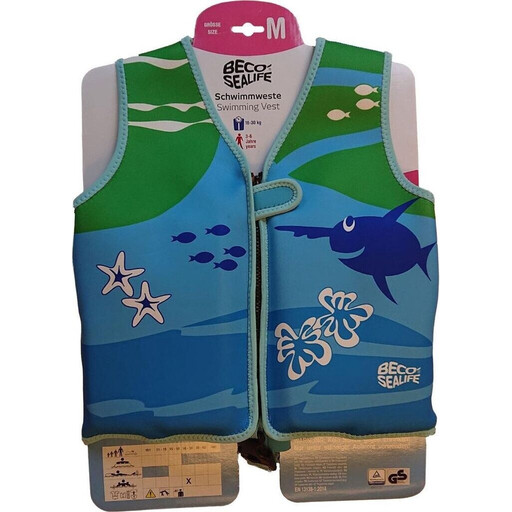
Why it suits this profile: This life jacket is listed as suitable for children aged 3 to 6 who weigh 19 to 30 kg. Adjustable buoyancy elements, a zip and a crotch strap make it suitable for swimming lessons, pool visits and regular use.
The clearly stated weight range helps you choose based on more than just age. According to the product details, the jacket isn’t intended for boating or deep water.
Adjustable buoyancy pads, extended front zip and crotch strap.
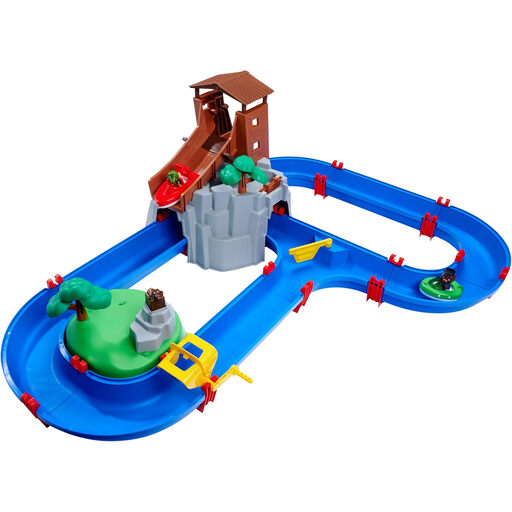
Why it suits this profile: Designed for children aged 3 to 7, this set includes a 138 × 88 × 47 cm water track, boats, figures, a reservoir and a hand crank.
The rigid design doesn’t need inflating. However, you’ll need enough flat outdoor space, and children should be supervised when playing with small parts.
Control the water flow with the hand crank; includes two figures and two boats.
We’ve put together a complete, regularly updated list of products that meet these strict selection criteria and fully comply with the safety regulations in force in the EU.
It depends on the material, storage and care. After each use, empty the pool completely, clean it and store it dry. Check inflatable rings, the base and seams regularly for cracks, deformations and sticky patches. Stop using the product if you notice any visible damage.
Choose a level, non-slip surface and keep the pool away from sharp objects. The sun protection doesn’t provide complete UV coverage, so children still need breaks in the shade and suitable sun protection. An adult must stay close by while the pool is in use.
When choosing water toys for children aged 1 and over, follow the manufacturer’s age recommendations. Products with small, detachable parts aren’t suitable for younger children. A shallow paddling pool or simple, large-format toys may be suitable for supervised play. Swimming aids should also be chosen according to the child’s weight and fit.