If you’re mainly drying swimwear, a separate, unheated space where you can lay it flat to air-dry is the better choice. Arena recommends this for its own swimwear and advises keeping it away from heat. A heated airer may be suitable for other fabrics, provided their care labels allow heat. Also check the space available, ventilation options and, for electrical appliances, the relevant markings and documentation in German.
Who would benefit from a separate drying space?
Swimmers with delicate swimwear
If the shared airer is full, having a separate place to dry your swimwear can help. For its own swimwear, Arena recommends laying it flat to dry, away from heat. Always follow the care instructions for the individual garment.
Households sharing drying space
A separate airer can free up space for everyday laundry when the shared one is in use. Folding models can be put away after use, but direct heat is still unsuitable for some fabrics.
People short on space
In a small flat, consider both the airer’s dimensions when open and the space you’ll need to store it. If you dry clothes indoors, remember to air the room regularly too.
What should you look for?
Unheated drying space
Suitable if: Swimwear is your main concern, or you need a separate place to air-dry clothes. Arena recommends laying its own swimwear flat to dry, away from heat.
Consider: You’ll need space for it, and it won’t actively heat your laundry.
Heated airer
Suitable if: You also want to dry fabrics whose care labels allow heat.
Consider: The bars transfer heat directly to the fabrics placed on them, but that doesn’t mean they’re suitable for swimwear in general.
| Priority |
What to check before buying |
Who is it relevant to? |
| Gentle on fabrics |
Care label and whether you can lay the garment flat to dry without direct contact with heat. |
If I’m drying delicate swimwear, I want to avoid direct heat and follow the care instructions. Around 42 % of consumers make fabric care their top priority. |
| A separate place to dry clothes |
How much drying space you need and whether the airer can be folded away after use. |
When the shared airer is in use, I need my own space to dry clothes between washes and put away afterwards. Around 33 % of consumers prioritise having a separate place to dry clothes. |
| Floor space and room humidity |
Dimensions when open and folded, and a suitable, dry place with the option to ventilate regularly. |
In a small flat, I want to know whether the airer will fit and how to get moisture out of the room. Around 25 % of consumers focus on space requirements and room humidity. |
Common drying mistakes
-
Assuming ‘gentle on laundry’ means ‘suitable for swimwear’
The garment’s care instructions take priority over general claims about a heated airer. For its own swimwear, Arena recommends drying it away from heat.
Set aside a place for swimwear where it won’t come into direct contact with heat, unless its care instructions say otherwise.
-
Thinking the heat function will solve damp in the room
Drying clothes indoors releases moisture into the air. The Verbraucherzentrale (German consumer advice centre) warns that insufficient air circulation can encourage mould.
Choose a suitable place for your airer and ventilate the room regularly, whether you’re drying clothes on a heated or unheated airer.
-
Comparing only the wattage or advertised drying time
An appliance’s power rating doesn’t tell you how long a particular load of laundry will take to dry.
First check whether it’s suitable for your fabrics, how much usable drying space it offers and where you plan to put it.
Brands and models at a glance
Todeco
Todeco describes a foldable, heated, three-tier airer for suitable fabrics and indoor use.
- For the 300-W model we researched, Todeco specifies a temperature of 45–55 °C on the heated bars and a load capacity of 5 kg per tier.
- The manufacturer’s specifications don’t confirm that it’s suitable for swimwear. This model should be placed on a flat, dry surface.
Adler
The foldable Adler AD 7821 has heated bars for fabrics whose care instructions allow contact with heat.
- Adler specifies 220 W, 18 heating elements, IP22 and dimensions of 148 × 52,5 × 90 cm when open and 113 × 52,5 × 8 cm when folded for the AD 7821.
- IP22 doesn’t mean it’s automatically suitable for a wet location; the care instructions remain the deciding factor for swimwear.
Leifheit
The Leifheit Pegasus Slim 15m is an unheated, foldable airer.
- For this model, Leifheit specifies a width of 55 cm and 15 m of drying line.
- This model has no heating function. Check the care instructions to see whether you can lay your swimwear flat on it.
Joybuy products
The models below offer extra drying space without direct contact with heated bars, as well as a heated option for other fabrics. Dry swimwear according to its care instructions.
 No image available
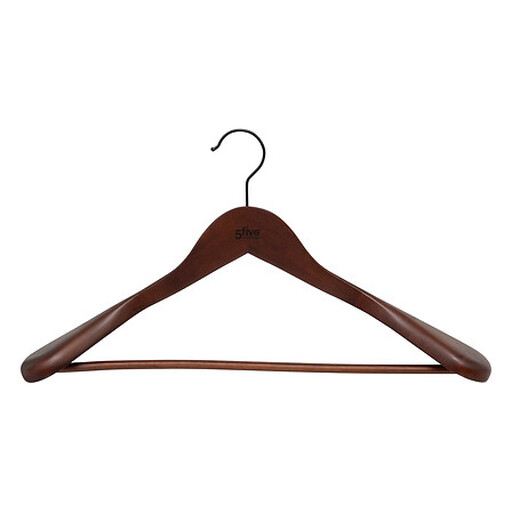
5Five Maple wooden clothes airer, 1 piece
Described as a separate space for air-drying clothes in the bedroom or utility room. Place it on a stable, level surface and avoid areas with high humidity.
View at Joybuy
 No image available
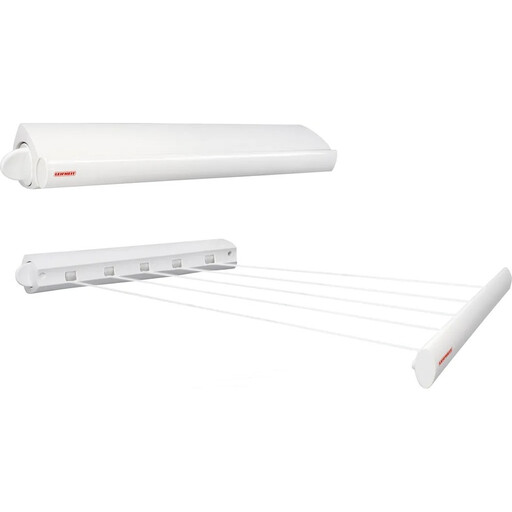
Leifheit Rollfix 210 Longline wall-mounted clothes dryer
A separate drying space with retractable lines that wind back in automatically after use. Requires secure wall mounting; clothes hang from the lines rather than lying flat.
View at Joybuy
 No image available
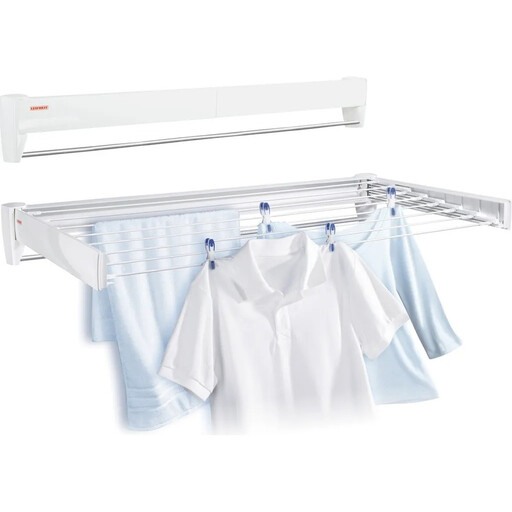
Leifheit Telegant 81 Protect wall-mounted clothes dryer
A separate drying space that folds flat against the wall after use. Requires secure wall mounting; clothes hang from the lines rather than lying flat.
View at Joybuy
 No image available
Foldable heated clothes airer, 45–55 °C, 144 × 53 × 96 cm (L × W × H)
Suitable as extra drying space for other fabrics if their care labels allow heat. The bars are specified as 45–55 °C; don’t use the airer for fabrics whose care instructions prohibit heat.
View at Joybuy
Frequently asked questions
Can I put swimwear on heated bars?
Not without checking the care instructions. For its own swimwear, Arena recommends laying it flat to dry, away from heat. This isn’t a general care recommendation for every garment.
Where should I put a heated clothes airer?
Follow the instructions for the appliance you have. For the model we researched, Todeco requires a flat, dry surface and a distance of at least 1,5 m from sources of heat or water. This requirement applies to that model and shouldn’t automatically be assumed to apply to every airer.
What markings and documentation should I look for on an electrical model in Germany?
For new electrical equipment covered by the 1. ProdSV—that is, equipment with a rated voltage of 50 to 1.000 V AC—the retailer must check before making it available for sale that it has a CE marking and includes operating instructions and safety information in German, among other requirements (§ 1 and § 12 1. ProdSV). The European Union describes the CE marking as the manufacturer’s declaration that the product meets the relevant EU requirements; it isn’t an independent quality mark.


