
Lieferung heute & morgen

Qualitätsgarantie

Willkommens-Angebote freischalten: KOSTENLOSE Lieferung | Bis zu 80 % RABATT | Kostenlose 30-Tage-JoyPlus-Testphase
App herunterladen
Whether decorating pastries, sealing a window, lubricating a machine or removing a diesel injector, syringes, guns and specialist tools fulfil a wide range of tasks. A low price alone says little about whether a tool is suitable for the application, material and level of use required.
Poor purchases are not only caused by unclear product descriptions. Important connection sizes, capacities and pressure ratings are often overlooked too. The following criteria help home bakers, DIY enthusiasts, tradespeople, automotive mechanics and workshop owners make an informed choice.
Grease guns and grease gun attachments are often advertised with high PSI values. However, what matters is whether the nozzle, hose, grease nipple and thread are compatible. A mini grease gun with a maximum working pressure of 3500 PSI may be suitable for maintaining vehicles or machinery, but it requires compatible connections and correctly applied grease.
With a grease gun attachment, it is also important to check whether it is designed for a 1/8-inch NPT thread. This is not automatically compatible with every European connection.
A 30 ml baking syringe made from polypropylene can be lightweight and easy to clean. For repeated use with warm or viscous ingredients, however, buyers should still check the manufacturer’s information on temperature resistance and cleaning.
A stainless steel icing syringe is generally dimensionally stable and more resistant to corrosion than many basic plastic alternatives. However, this does not automatically mean that every nozzle or component is dishwasher-safe. With a silicone syringe, you should also check whether the material is approved for the intended contact with food.
A caulking gun is not compatible with every cartridge. Before buying, compare the cartridge size, material viscosity and thrust ratio. For example, a caulking gun for standard 290 to 310 ml cartridges is not designed for smaller pouches or specialist cartridges.
A diesel injector puller is not a universal tool for every engine either. The thread, diameter, pulling direction and access to the injector must match the specific vehicle.
For baking tools, the capacity should match the task:
Dimensions are also important for workshop tools. A compact mini grease gun is easier to position in confined spaces. A longer flexible hose or metal tube, on the other hand, can reach grease nipples in difficult-to-access locations.
The thrust ratio describes how much mechanical force is transferred from your hand. A 9:1 thrust ratio is more suitable for easy-flowing materials. 18:1 helps when applying more viscous sealants and adhesives.
The WORKPRO model for 290 to 310 ml cartridges offers both settings. Before use, you should nevertheless check whether the product specifications permit silicone, acrylic, latex, polyurethane, butyl or construction adhesive to be used with the gun. A drip-stop feature can reduce material seepage, but it does not replace precise dispensing.
Several specifications matter when choosing a grease gun:
A pneumatic grease gun also requires a suitable compressed-air supply. Before use, compare the air pressure, connection and maximum load specifications with the workshop installation.
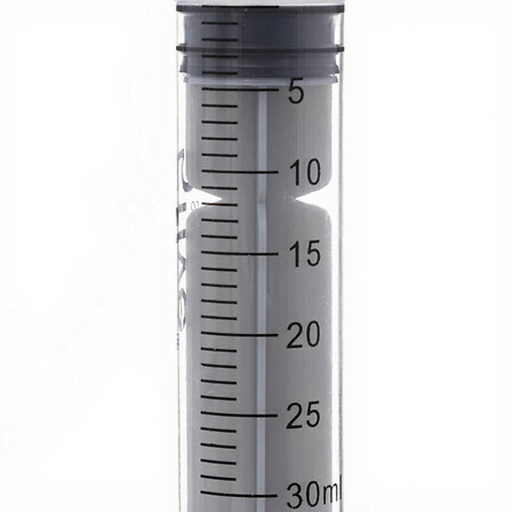
Why this product suits this profile: The 30 ml baking syringe is aimed at home bakers looking for a compact tool for decorating, filling and dispensing small quantities.
The clearly stated capacity prevents you from buying a large, unwieldy syringe for small decorating tasks.
30 ml capacity, PP material, low weight of 20 g and dimensions of approximately 20.5 cm in length.
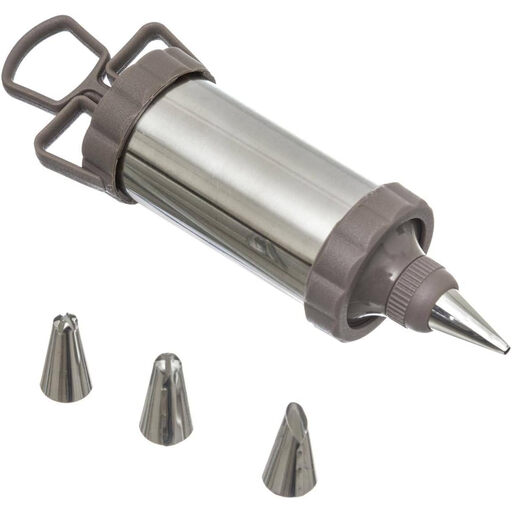
Why this product suits this profile: The combination of stainless steel and polypropylene appeals to users who value dimensionally stable materials and a longer design in a stainless steel icing syringe.
The material specification makes it clear that this is more than just an ordinary plastic body. Care and temperature instructions should still be followed.
20 cm length, stainless steel and PP components, 70 g weight and compact dimensions of approximately 6 x 5.5 x 20 cm.
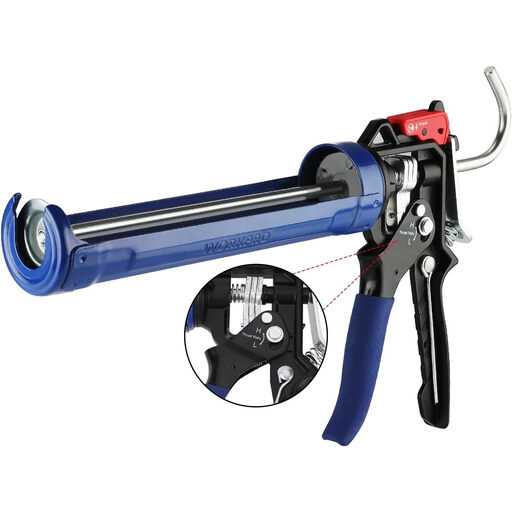
Why this product suits this profile: This caulking gun is designed for standard 290 to 310 ml cartridges and covers typical sealing jobs around windows, joints and cracks.
The two thrust ratios, 9:1 and 18:1, help you adapt the mechanism to the viscosity of the sealant in use.
Metal construction, 360° rotating body, drip-stop feature and integrated tool for opening sealed cartridge nozzles.
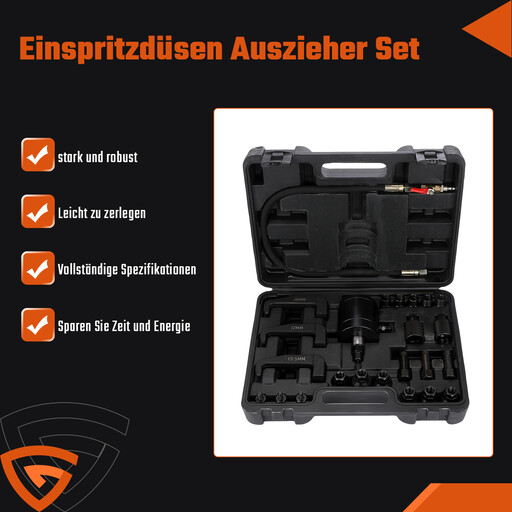
Why this product suits this profile: This injector removal tool is aimed at workshops and automotive users who need to remove seized diesel injectors or glow plugs with pneumatic assistance.
The included 19 adapters and three pullers with different openings make it easier to match the tool to the injector in use, but they do not replace checking the engine specification.
Pneumatic hammer action, compact design, multiple thread adapters and pullers with 12, 13.5 and 16 mm openings.
We have put together a complete, regularly updated list of products that fully meet these strict selection criteria and the safety regulations applicable in the EU.
For lubrication work in confined spaces, the mini grease gun with pistol grip can be a practical design. According to the product specifications, it comes with a 300 mm flexible hose, two metal tubes, a nozzle and a protective cap. Before buying, users should check which grease cartridge and filling method are required.
According to the product description, the WORKPRO grease gun attachment features a 6-jaw locking mechanism, a reinforced spring and compatibility with standard 1/8-inch NPT grease guns. The stated pressure resistance of 10,000 PSI refers to the attachment’s product specification. The working pressure and operating limits of the complete lubrication system must be considered separately.
For small quantities, a 30 ml baking syringe may be sufficient. Key considerations include a plunger that is easy to control, suitable nozzles and a material that the manufacturer confirms is suitable for the intended contact with food. For frequent use, a stainless steel icing syringe may be appealing thanks to its dimensionally stable construction.
First, check the cartridge size and thrust ratio. Standard models for 290 to 310 ml are not automatically compatible with every type of packaging. A 9:1 ratio may be sufficient for more fluid materials, while more viscous sealants often require a stronger ratio such as 18:1.
Compare the threads, adapter sizes and pulling direction with the specifications for the specific engine. A pneumatic diesel injector puller must only be used in accordance with the instructions and with suitable protective equipment. When dealing with seized components, controlled force is important to prevent damage to the threads, cylinder head and injector.