
Lieferung heute & morgen

Qualitätsgarantie

Willkommens-Angebote freischalten: KOSTENLOSE Lieferung | Bis zu 80 % RABATT | Kostenlose 30-Tage-JoyPlus-Testphase
App herunterladen
A T-shirt is more than just an item of clothing—it's the foundation of countless outfits. But buying one is often harder than it seems. Many shirts lose their shape after just a few washes, colours fade, and advertised features turn out to be empty marketing promises. This guide helps you separate quality from hype, so you can find T-shirts that are truly worth the investment and built to last.
We'll show you the most common pitfalls of T-shirt shopping and the key features to look for, whether you're searching for a simple basic tee, a stylish logo shirt, or a high-performance sports shirt.
The 3 Most Common Mistakes When Buying T-Shirts:
To avoid buyer's remorse, you should check three core parameters before making a decision. These give you an objective basis for assessing quality, regardless of brand or price.
The material is the most important factor for comfort and durability.
The fit determines not only the look but also the intended use.
Look for clean, straight seams. Double stitching on the collar, sleeves, and hem is a clear sign of quality and prevents stretching. For performance shirts, flatlock seams are important to minimise chafing during movement.
Here are some recommendations tailored to different needs and profiles, taking the aforementioned quality features into account.
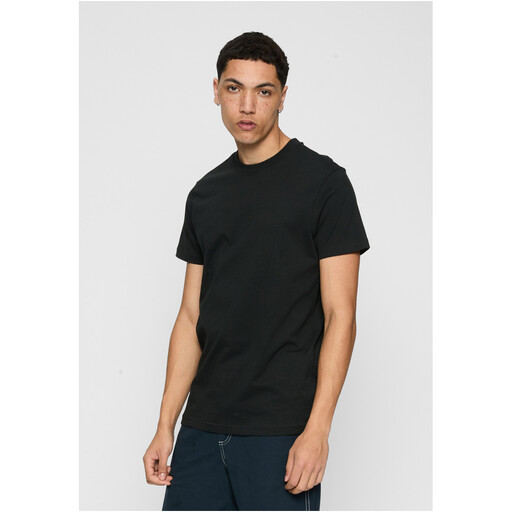
Why this product is a match: Ideal for anyone looking for a solid foundation for their everyday wardrobe. The T-shirt multipack offers excellent value for money without compromising on basic quality.
It avoids the pitfall of losing its shape thanks to solid construction and a defined fabric weight of 145 g/m?. You get reliable quality instead of overpaying for a brand name on a simple basic tee.
Six 100% cotton T-shirts at an attractive price. The perfect, no-fuss foundation for any wardrobe.
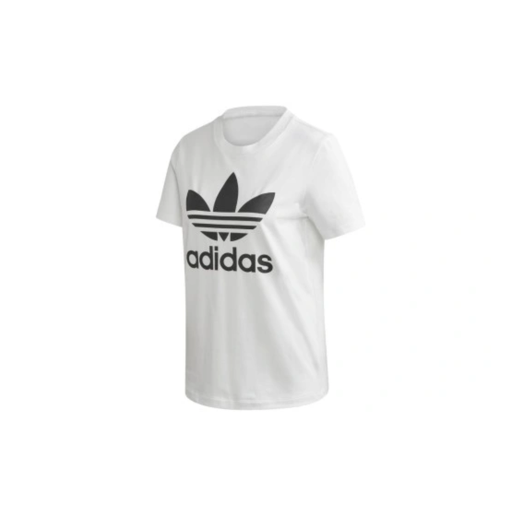
Why this product is a match: For those who want an iconic design. The adidas Trefoil is a timeless symbol of streetwear culture. This men's T-shirt combines a striking look with high comfort for everyday wear.
It avoids the "overpriced logo" trap by offering solid material quality with 92% cotton. Here, you're not just paying for the name, but also for a comfortable and durable feel.
A combination of an iconic brand statement and a soft, breathable cotton fabric suitable for daily use.
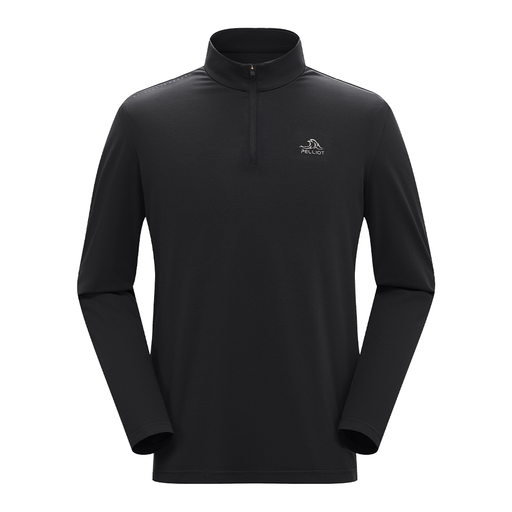
Why this product is a match: This long-sleeve shirt is designed for intense activities like trail running or trekking. It's aimed at users who rely on technical performance, not just looks.
It avoids the "misleading performance claims" trap by using verifiable technologies. The STORMDRY technology from Toray ensures rapid moisture wicking, while the POLYGIENE treatment inhibits odour formation.
Objectively measurable performance features for demanding athletic use. Keeps skin dry and fresh even under high exertion.
We have compiled a complete, up-to-date list of products that fully meet these strict selection criteria.
1. What does fabric weight (g/m?) mean for a T-shirt? Fabric weight, given in grams per square metre (g/m?), is an indicator of the fabric's density and thickness. Lightweight T-shirts (approx. 140-160 g/m?) are airier and well-suited for hot weather. Heavier shirts (180 g/m? and up) are more robust, durable, less transparent, and hold their shape better.
2. How do I care for T-shirts properly to prevent shrinking or warping? Wash T-shirts, especially those made of 100% cotton, at low temperatures (30°C / 86°F). Turn printed shirts inside out before washing to protect the graphic. Avoid the tumble dryer, as high heat can cause shrinking and damage the fibres. Air-drying is the gentlest method.
3. When should I choose a performance shirt over a cotton T-shirt? A performance shirt is always the better choice when you expect to sweat a lot, such as during sports or physical labour. Synthetic fibres wick sweat away from the skin and dry quickly. A wet cotton shirt, in contrast, clings to the body and can make you feel cold. For casual daily wear or low physical exertion, the comfort of a cotton shirt is often more pleasant.