
Lieferung heute & morgen

Qualitätsgarantie

Willkommens-Angebote freischalten: KOSTENLOSE Lieferung | Bis zu 80 % RABATT | Kostenlose 30-Tage-JoyPlus-Testphase
App herunterladen
A table lamp is more than just a source of light. It's an essential element of interior design that creates atmosphere and adds functional accents. However, the sheer number of options can be overwhelming. Many models look appealing at first glance, but their flaws only become apparent with daily use. This guide will help you identify the crucial features and make an informed choice.
Before we dive into the selection criteria, let's look at the typical problems that can arise after a purchase. If you know what they are, you can actively avoid them.
To avoid making a poor choice, you should check three key aspects. These determine the durability, functionality, and safety of your new table lamp.
The base is the foundation of any table lamp. Look for a substantial weight that ensures a secure footing. Materials like solid metal, concrete, or marble are often excellent choices. For lamps with a lighter base, the construction should be balanced so that the centre of gravity is low. Check the product description for details on the base material and total weight. A solid base prevents tipping and ensures a long service life.
The socket determines which light bulb you can use. The most common types are E27 (the classic wide screw base) and E14 (the narrower "candle" socket).
More important than the socket type, however, is compatibility with modern LED bulbs. These are energy-efficient and available in various light colours (e.g., warm white, neutral white). Check the maximum wattage permitted for the lamp. Note that the bulb is often not included, which gives you the freedom to set the lighting mood yourself. For a lamp in the living room, warm white light (under 3,300 Kelvin) is ideal for creating a cosy atmosphere.
A modern table lamp or a classic designer table lamp should not only be visually appealing but also serve its purpose. Ask yourself the following questions:
Here are some models tailored to specific needs and style preferences.
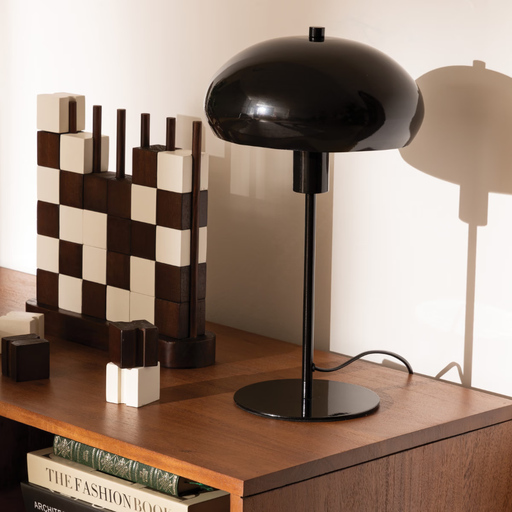
Why it's a great fit: For those who see a lamp not just as a light source, but as a sculptural object. The mushroom design is a current interior trend and, as a black table lamp, makes a bold statement on sideboards or console tables.
The steel construction avoids the trap of low-quality materials. Its dome-shaped shade directs light downwards and prevents direct glare, a common issue with purely decorative objects.
Combines a trendy shape with functional, glare-free light output. The balanced proportions ensure excellent stability.
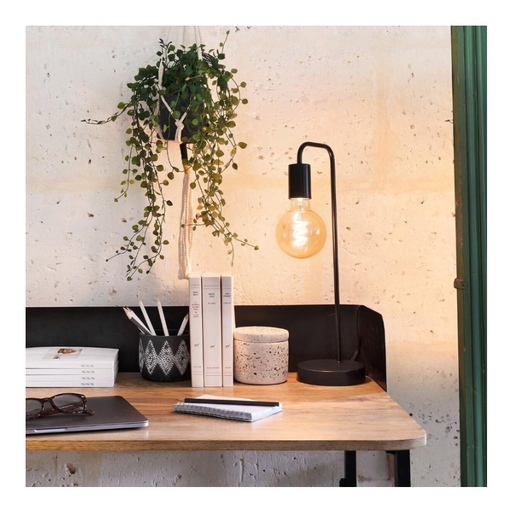
Why it's a great fit: Ideal for lovers of minimalist style. With no shade, the bulb itself becomes the focus. Perfect for use with a decorative filament bulb on a desk or sideboard.
The cement-weighted base provides exceptional stability, sidestepping the pitfall of wobbly constructions. Its simple form doesn't distract from its main function—the light.
A reduced, industrial design with excellent stability. It gives the user full control over the lighting effect through the free choice of an E27 bulb.
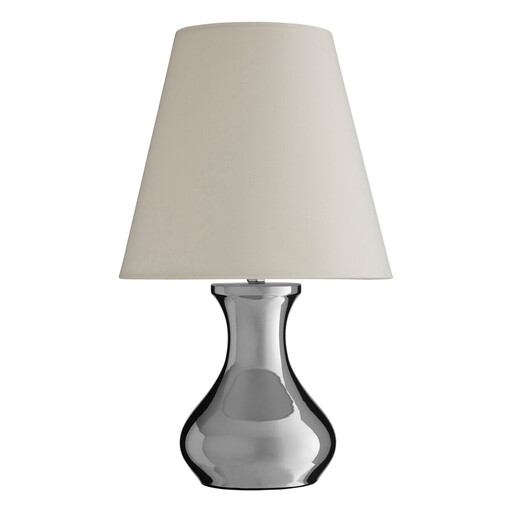
Why it's a great fit: A timeless choice for anyone seeking functional and unobtrusive lighting. Ideal as a bedside lamp or for a cosy corner in the living room. The combination of chrome and white fabric complements many interior styles.
The fabric shade diffuses the light softly and evenly. This prevents the glare trap and creates pleasant, indirect illumination that promotes relaxation.
Classic, versatile design with pleasant light distribution. The reflective chrome base gives the lamp a high-quality appearance.
We've compiled a full, up-to-date list of products that fully meet these strict selection criteria and UK safety regulations.
For living rooms and bedrooms, a warm white light colour (approx. 2,700 to 3,300 Kelvin) is generally recommended. It creates a cosy and relaxing atmosphere. For a workspace or reading nook, neutral white light (approx. 3,300 to 5,300 Kelvin) can be more beneficial as it promotes concentration.
A good rule of thumb is that the bottom edge of the lampshade should be at about chin level when you are sitting up in bed. This ensures that you are not dazzled by the light, but the cone of light is sufficient for activities like reading a book.
You can use LED bulbs in most modern table lamps with standard sockets (E27 or E14) without any issues. Make sure not to exceed the maximum wattage specified by the manufacturer. Since LEDs require significantly less wattage for the same brightness as traditional incandescent bulbs, this is rarely a problem in practice.