
Lieferung heute & morgen

Qualitätsgarantie

Willkommens-Angebote freischalten: KOSTENLOSE Lieferung | Bis zu 80 % RABATT | Kostenlose 30-Tage-JoyPlus-Testphase
App herunterladen
A good table is often the heart of the home. It's where we eat, work, do crafts, and live our lives. But daily activities leave their mark: scratches, stains, or dents. A table protector film seems like the ideal solution to preserve the tabletop without hiding its appearance. However, not every product delivers on its promise. Many buyers invest in a film that proves to be unusable after a short time.
This guide will show you which pitfalls to watch out for and what features define a functional and durable protective film for your table.
The selection of transparent tablecloths is vast, but the quality differences are significant. Knowing the typical flaws can help you make an informed decision and avoid costly mistakes.
To ensure your new table cover serves its purpose, you should check three central properties. These determine the product's durability, functionality, and appearance.
The thickness of the film is the most important indicator of its protective effect and durability.
A thicker film is an investment in the longevity of your furniture.
Most high-quality protective films are made of Polyvinyl Chloride (PVC). This material is ideal as it creates a waterproof tablecloth and a low-maintenance surface simultaneously. Making a PVC tablecloth washable is straightforward—a damp cloth is usually sufficient.
However, compatibility with your tabletop is crucial:
A heat-resistant table cover made of PVC is not designed for placing hot pots on it. The typical heat resistance, according to manufacturer specifications, is often up to 80°C (176°F). This is sufficient for warm plates, cups, or a bowl of hot soup. For anything coming directly from the stove or oven, using a trivet remains essential to avoid damaging the material.
Instead of presenting an overwhelming list, we have selected products that fit specific user profiles and meet the quality criteria mentioned.
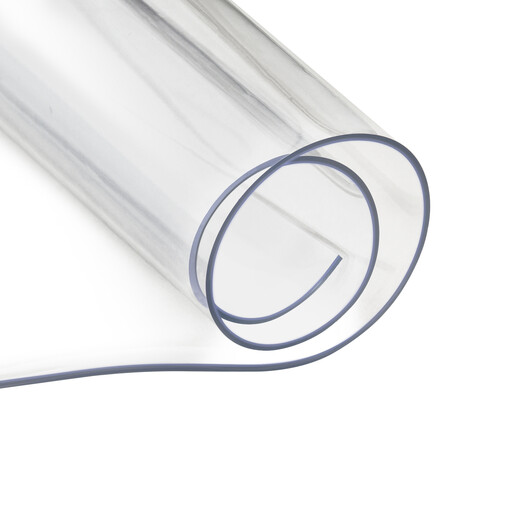
Why This Fits Their Persona: This film is designed for large dining tables where daily meals, games, and crafts take place. It offers maximum protection against spilled drinks, paint stains, and scratches from toys.
With a thickness of 2mm, it is extremely robust and bypasses the problem of thin, inadequate films. Its substantial weight ensures it lies flat and securely on the table.
High tear resistance and durability; effectively protects against scratches, stains, and moisture. According to the manufacturer WOLTU, it is heat-resistant up to 80°C (176°F).

Why This Fits Their Persona: As a transparent desk pad, this film protects the work surface from scratches from laptops, abrasion from a mouse, or the occasional coffee stain, without hiding the desk's wood finish.
The manufacturer WOLTU explicitly states that the film is not suitable for high-gloss surfaces. This helps to avoid the pitfall of air bubbles from the outset.
The 2mm thick, smooth surface provides a stable base for writing and working. It is odourless and easy to wipe clean.
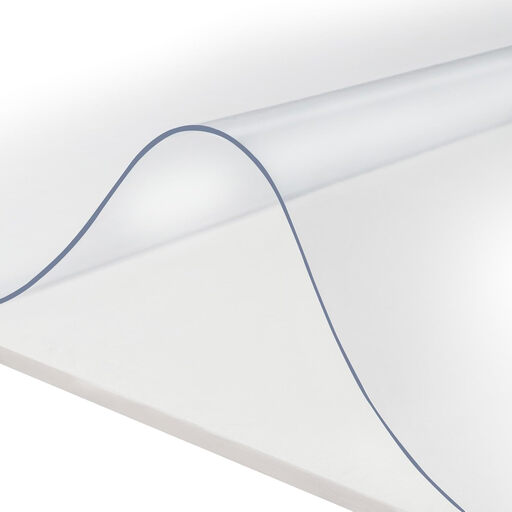
Why This Fits Their Persona: Perfect for smaller kitchen tables, side tables, or coffee tables in apartments where space is limited, but protecting the furniture is still a priority.
Even with smaller dimensions, there's no compromise on quality. The 2mm thickness ensures that this is a full-fledged protector and not a thin, cheap film.
Offers the same robust protection as larger versions but is perfectly sized for compact furniture. The film is waterproof and, according to manufacturer Laneetal, heat-resistant up to 80°C (176°F).
We have compiled a complete, up-to-date list of products that fully meet these strict selection criteria and comply with German regulations.
1. How do I get a rolled-up table protector film to lie flat? New films are delivered rolled and often have waves or curled edges. To flatten the film, unroll it in the opposite direction and lay it flat on the table. Weigh down the corners and the centre with heavy books for 24 to 48 hours. Alternatively, gentle heat can help: dampen a cloth, place it on the film, and briefly warm the area with a hairdryer on a low setting.
2. Can you cut on a table protector film? It is strongly advised against. Although a thick film protects against scratches, it is not cut-proof. A sharp knife, such as a kitchen or craft knife, will permanently damage the PVC surface. Always use a separate cutting board for cutting.
3. Why are bubbles forming under my clear table film? This problem occurs almost exclusively on very smooth, non-porous surfaces like glass, high-gloss lacquer, or polished marble. The smooth underside of the film creates a seal with the table surface, trapping small amounts of air and causing visible bubbles. These films are not recommended for such tables. This problem does not occur on matte or textured wood surfaces.