Card illustrators
If you draw designs or lettering with varied strokes, you’ll need a compatible tablet and an app whose brushes actually respond to stylus pressure.


First, check your tablet’s exact model: Apple Pencil, Galaxy S Pen, Lenovo styluses and EMR styluses are not interchangeable. For pressure-sensitive strokes, you’ll need a compatible pressure-sensitive stylus and a drawing app that supports this input. For sketches and lettering, tilt detection and ease of use may be enough. At a shared desk, charging, storage and compatible replacement nibs also matter.
If you draw designs or lettering with varied strokes, you’ll need a compatible tablet and an app whose brushes actually respond to stylus pressure.
If you want to put the stylus away quickly or pass it on after your session, storage, charging and the availability of replacement nibs are important factors to consider.
For drafts and lettering, consider whether extra drawing features are worth the added compatibility checks and setup for the way you plan to use the stylus.
First, check that the tablet model and stylus version match. Then decide whether you need pressure sensitivity for varied strokes, and how the stylus will be charged and stored at a shared workspace.
| What matters when buying | What to check | Who it matters most to |
|---|---|---|
| Tablet compatibility | Check the exact tablet and stylus names against the manufacturer’s compatibility list, along with the software version if relevant. For EMR styluses, check the display technology. | If I want to use the stylus with my existing tablet, I check the exact model combination. Around 36% of consumers say compatibility is their top priority when buying. |
| Stroke control | Don’t confuse pressure sensitivity with tilt detection. Also check whether the drawing app supports the brush you want to use. | If I want to vary strokes by applying different levels of pressure when drawing designs or lettering, I check the stylus and app together. Around 29% of consumers put variable strokes first when choosing a stylus. |
| Ease of use at a shared workspace | Compare storage and charging requirements, and check whether compatible replacement nibs are available. | If several people use the desk, I want to be able to put the stylus away easily after my session and leave it ready for the next person. Around 21% of consumers prioritise easy handover and storage. |
| Purchase and ongoing costs | Factor in any adapters, replacement nibs and the right drawing app. Check what’s included with the specific version you’re buying. | If I’m weighing up the cost of finding a compatible stylus-and-app combination before buying, I also check what accessories and replacement parts I’ll need. Around 14% of consumers put cost considerations first. |
Styluses may only work with certain tablet models or display technologies. An EMR stylus, for example, only works with a compatible EMR digitiser.
Before buying, check the full tablet and stylus names against the manufacturer’s information, including the software version if required.
These features respond to different inputs. Apple doesn’t describe the Pencil (USB-C) as pressure-sensitive; Logitech’s Lightning guide explicitly states that the Crayon isn’t pressure-sensitive.
Check the stylus specifications separately from whether your drawing app supports the brush you want to use.
Apple says the Pencil (USB-C) attaches magnetically for storage, but pairing and charging are done with a USB-C cable. Apple lists magnetic pairing and charging for the Pencil Pro.
Plan where you’ll charge the stylus based on the exact version. Don’t assume it charges just because it attaches to a magnetic holder.
Apple offers the Pencil Pro and Pencil (USB-C) for compatible iPads.
The S Pen in question is listed for the Galaxy Tab S9 FE and Tab S10 FE series.
Logitech offers the Crayon in different versions for compatible iPads.
The Noris digital classic is designed for tablets with a compatible EMR digitiser.
Lenovo lists the Precision Pen 3 as a documented option for the Tab P12 Pro.
The following Joybuy products are designed for different devices and drawing needs. Before buying, check compatibility with your exact tablet model.
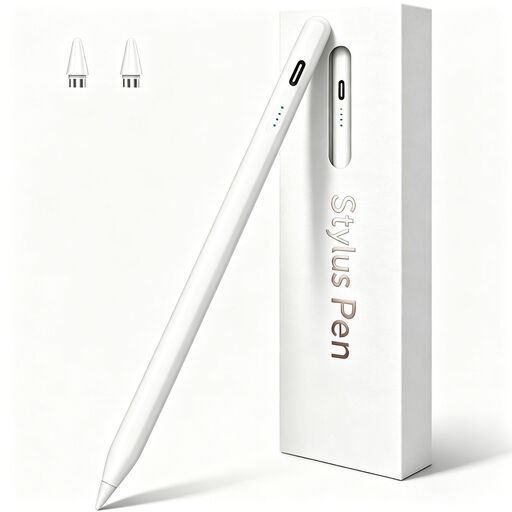 No image available
Listed as a touchscreen stylus for these devices; not listed for iPads, Microsoft devices or some Lenovo tablets.
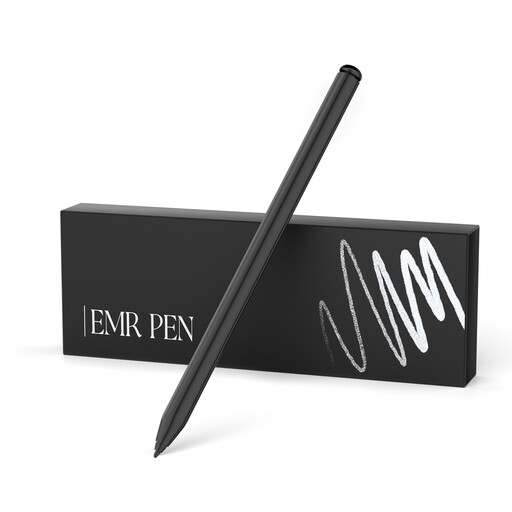 No image available
For sketching on the listed devices. The product name specifies 4,096 pressure levels, palm rejection, an eraser and magnetic attachment. Not listed for reMarkable PAPER PRO or other devices.
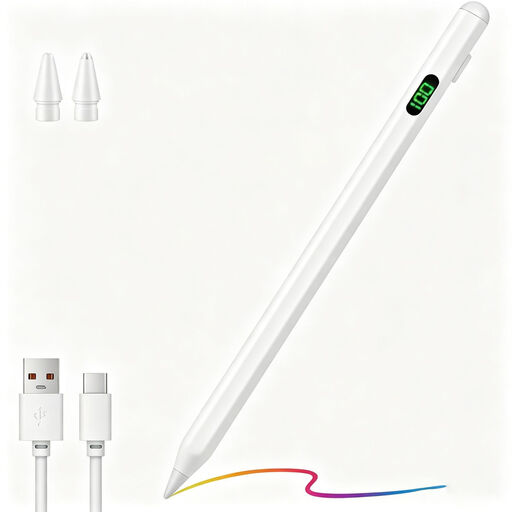 No image available
Listed for drawing and sketching. The product name specifies fast charging, an LED indicator and magnetic attachment; the latter is described for compatible iPads only.
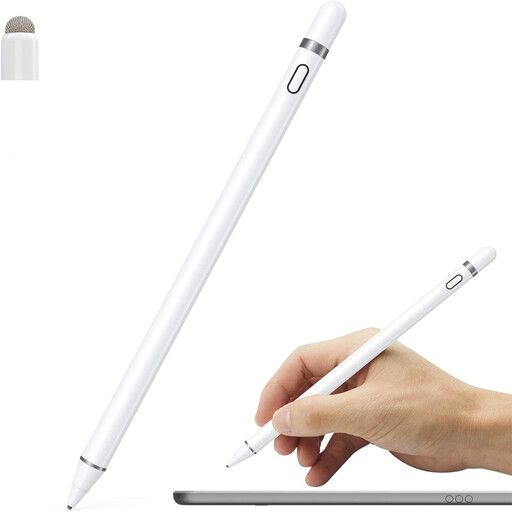 No image available
Listed for drawing and writing on the iOS and Android devices named in the product title. Check compatibility with your specific tablet model.
 No image available
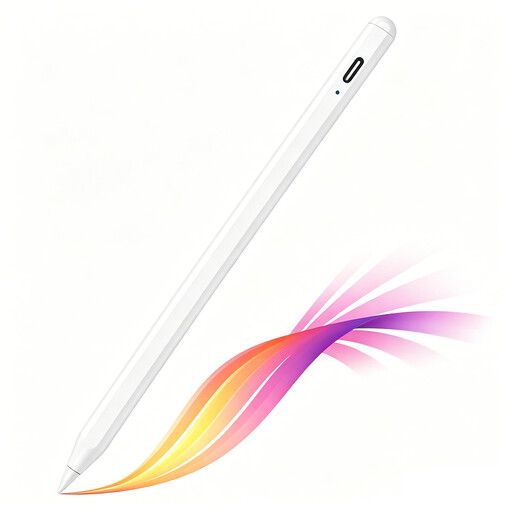
Listed for sketching and illustration on selected iPad models. The product name specifies USB-C charging, tilt detection and palm rejection. According to the description, magnetic attachment is for storage, not wireless charging.
Check the exact model name against the relevant manufacturer’s compatibility list and, for Apple, check the software version too. The Noris digital classic also requires a compatible EMR digitiser; Lenovo lists the Tab P12 Pro for the Precision Pen 3.
It depends on the model. According to STAEDTLER, the Noris digital classic doesn’t need pairing or charging. The Apple Pencil (USB-C) pairs and charges via a USB-C cable; for the Logitech Crayon (Lightning), Logitech says to switch it on to use it and connect it to charge.
First, check which replacement parts are available for your exact model. STAEDTLER lists replacement nibs and a tool for the Noris digital classic. Logitech’s Crayon guide recommends replacing a worn nib to avoid damaging the display.
Your statutory consumer rights are against the seller and are separate from any voluntary manufacturer’s warranty, as explained by the Verbraucherzentrale (German consumer advice centre). If a product is faulty, the first step may be to request a repair or replacement. Online purchases generally come with a right to cancel, usually within 14 days of receiving the goods and subject to the relevant legal conditions.
Not simply because you’ve added them to a card using your own stylus. If a work is protected by copyright, you’ll need to check the relevant usage rights. The German Patent and Trade Mark Office lists reproduction and distribution among the relevant exploitation rights. Whether you can use a particular design depends on the work and its licence.