What should you look for when buying?
First, check that your tagine is approved for use with the heating method. Next, make sure the base size and load capacity are suitable. If you want to cook more than one dish at a time, consider the number of zones and, for built-in hobs, the installation dimensions.
| Criterion |
What to check when buying |
Who it matters most to |
| Approval for your tagine |
Check the instructions for your specific cookware to see whether it is approved for induction or direct electric heating. A ceramic glass surface alone doesn’t tell you which heating method is used underneath. |
If I want to keep my tagine, I’ll first check which heating methods its manufacturer permits. For around 36% of consumers, cookware compatibility is the top priority. |
| Base size and weight |
Measure the diameter of the base and find out how much the cookware weighs when full. Compare both figures with the details for the zone and load capacity of the specific model. |
For a large portion, I want to make sure the base and filled cookware are suitable for the cooking zone. Around 29% of consumers prioritise cooking capacity and weight. |
| Number of cooking zones |
Check whether there’s a second zone available for a side dish alongside the tagine. With double hobs, the total power output isn’t the same as the power of each individual zone. |
If the tagine and side dish are to cook at the same time, I need zones that can actually be used together and, where necessary, a suitable built-in connection. For around 21% of consumers, cooking in parallel and kitchen installation are priorities. |
| Control for slow cooking |
Compare the power settings, timer and its automatic shut-off function using the model’s instructions. Plan longer cooking times within the specified operating conditions. |
For a longer, gentle simmer, I want to be able to adjust the heat and keep an eye on the cooking time. Around 14% of consumers particularly value easy control when slow-cooking. |
Joybuy products for tagines and side dishes
This selection includes induction and ceramic glass hobs for one or several cooking zones used at the same time. For each model, check that the heating method, cookware base and, where applicable, installation requirements are suitable for your tagine.
 No image available
Induction hob with two zones and five temperature settings
The two zones are designed for cooking at the same time. Use them with your tagine only if its base is approved for induction.
The product title lists five temperature settings, as well as keep warm, boil, simmer, fry and slow-cook on a low heat.
View at Joybuy
 No image available
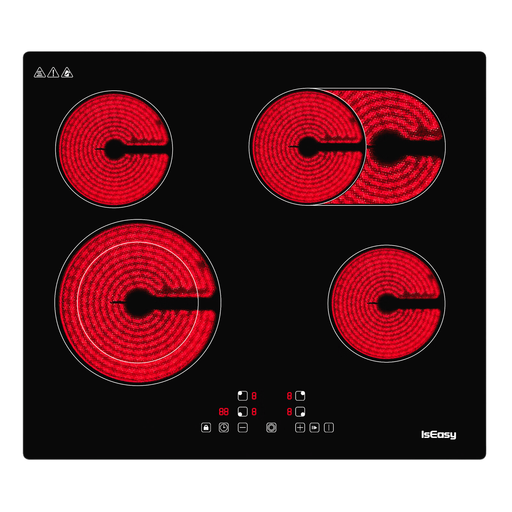
60 cm ceramic glass hob with four zones
Four zones provide cooking areas for several pieces of cookware. Check that your tagine base matches the relevant zone and that the cookware is approved for use on it.
The product title lists 6,600 W, touch controls, an oval zone and a dual-ring zone.
View at Joybuy
 No image available
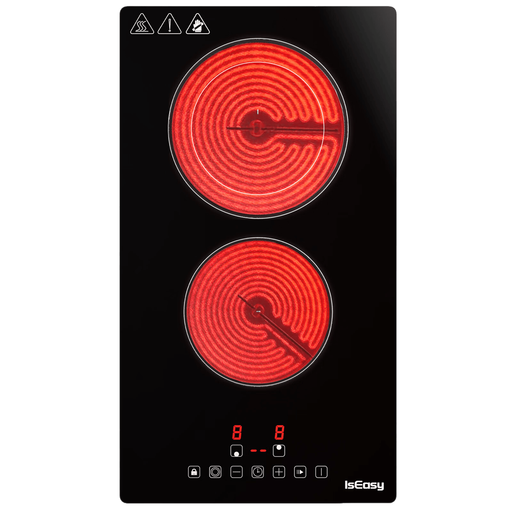
Electric ceramic glass hob with two zones
The two zones may suit you if you want to cook a tagine and side dish at the same time. Check that your cookware is suitable for the specific electric heating surface.
The product title lists 3,200 W, nine power settings, a pause function, child lock and overheat protection.
View at Joybuy
 No image available
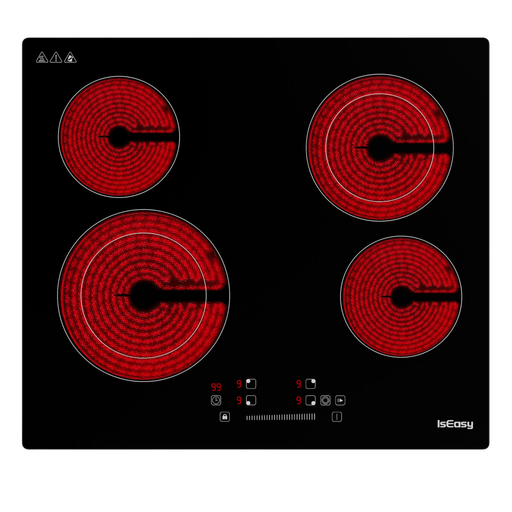
Ceramic glass hob with four zones and touch controls
Four zones may suit a cooking set-up with a tagine and other cookware. Check that your cookware base is suitable for the intended cooking surface.
The product title lists 6,600 W, two dual-circuit zones, nine power settings and a 99-minute timer.
View at Joybuy
 No image available
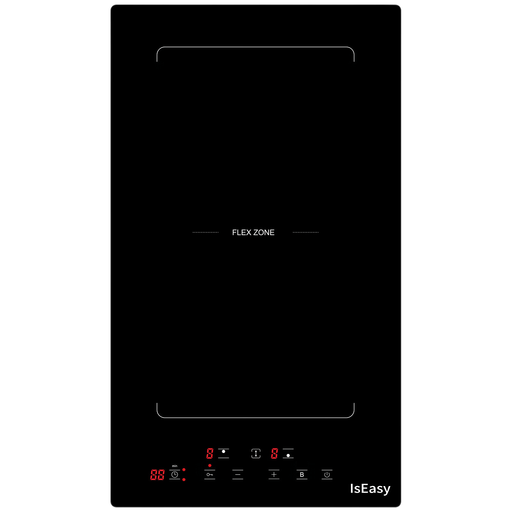
Induction hob with flexible zones
Flexible zones may be useful for positioning cookware in different ways, but your tagine must still be explicitly approved for induction.
View at Joybuy
Frequently asked questions
Will any ceramic tagine work on an induction hob?
No. The fact that it’s made of ceramic doesn’t confirm that it’s approved for induction. Emile Henry explicitly approves its Tajine Delight for induction, but excludes full-zone operation. Check the instructions for your cookware and hob.
How should I store a larger batch of tagine after cooking?
The German Federal Institute for Risk Assessment recommends keeping leftovers in the fridge and eating them within two to three days. Divide larger quantities between several shallow containers to cool, and chill them to below 7 °C within a few hours.
Can I simply plug in a built-in hob?
Not the models mentioned here, the Siemens EX975LXC1E and Bosch PIF645BB5E: both manufacturers say they must be connected without a plug by a qualified electrician. The German federal portal outlines requirements for registered installation companies carrying out work on electrical systems. Get professional advice on your specific installation; this is different from a portable hob that’s ready to plug in.
Does a hob in Germany need an EU energy label?
No. According to the European Commission, domestic hobs are subject to ecodesign requirements, but there’s no requirement for an energy label. The absence of an energy label alone is therefore not evidence of non-compliance.
What are my rights if my hob is faulty?
Your statutory consumer rights against the seller are separate from any voluntary guarantee. The Verbraucherzentrale explains that, under certain conditions, the statutory warranty period for purchases made from 31 July 2026 can be extended from two to three years if the product is repaired to remedy a fault within the first two years instead of being replaced. Any additional right to repairs from manufacturers should only be assumed for product groups where it genuinely applies.


