Small portions of dressing
If you’re making just a little tahini dressing after your food shop, first see whether stirring by hand will do the job. To blend, the hand blender needs to be immersed far enough in a suitable container.


You don’t necessarily need a blender to make a simple tahini and lemon dressing: you can stir tahini, lemon and water together by hand in a small bowl. If you regularly blend other ingredients, a hand blender may suit smaller quantities. For a personal or jug blender, check that the container and minimum fill level are right for your portion.
If you’re making just a little tahini dressing after your food shop, first see whether stirring by hand will do the job. To blend, the hand blender needs to be immersed far enough in a suitable container.
If you also blend sauces or soups as well as making dressing, consider how easy the blender is to use and how straightforward it is to clean the blending foot, blades and container after each use.
If you also make smoothies or larger portions, you can compare personal and jug blenders with a hand blender. The key is whether the size and intended use suit your other kitchen tasks.
| What matters when buying | What to look for | Who is this important to? |
|---|---|---|
| Small quantities | Check the portion size and container shape. For blenders, check the immersion depth or the stated minimum fill level. | If I’m only making a small portion, I want to know whether stirring will be enough and whether the blade can reach the ingredients in the container. Around 36% of consumers prioritise being able to process small portions effectively. |
| Smooth consistency | Consider the ingredients you want to blend and the texture you’re after. Compare results for the exact model rather than looking at wattage alone. | If I also blend chunky ingredients for sauces, the result matters more to me than a high wattage on its own. Around 29% of consumers prioritise a smooth consistency when blending other ingredients. |
| Cleaning | Check which parts are removable and whether the instructions for the specific model say they are dishwasher-safe. | If I use the blender regularly, I want to be able to clean the blades and container without unnecessary extra effort. Around 21% of consumers put ease of cleaning first. |
| Cost and other uses | Check whether your existing kitchen tools are enough and what other tasks you’ll actually use the appliance and its accessories for. | If I mainly make simple dressing, I don’t want to buy an appliance that won’t be useful for anything else I do. Around 14% of consumers pay particular attention to the cost and versatility of an appliance. |
A large beaker doesn’t tell you whether the blade can reach a very small, thick portion of dressing.
Compare your usual portion size with the manufacturer’s stated minimum fill level and the shape of the container.
A higher power rating alone doesn’t prove that a blender will handle a small portion better. Reviews also assess ease of use, blending results and splash protection. CHIP rated the splash protection on the tested Bosch MSM66110 as mediocre.
First decide how much you’ll make and what consistency you want, then look for results for the exact model. For a simple dressing, stirring by hand may be enough.
A voluntary guarantee and your statutory rights for faulty goods are separate protections, with different terms and conditions.
Read the guarantee terms and check your statutory rights with the seller separately.
MultiQuick hand blenders may be worth considering if you want to blend other foods as well as make dressing. The features vary depending on the full model number.
The ErgoMixx MSM66110 is a hand blender with a removable metal blending foot.
The Kult X Mix & Go is a compact personal blender for households that also want to use the container for drinks.
The M250 Standard Package is a hand blender set with attachments for additional kitchen tasks.
This selection ranges from hand blenders for small quantities and other kitchen tasks to compact and larger blenders. For tahini dressing, make sure the portion size suits the container.
 No image available
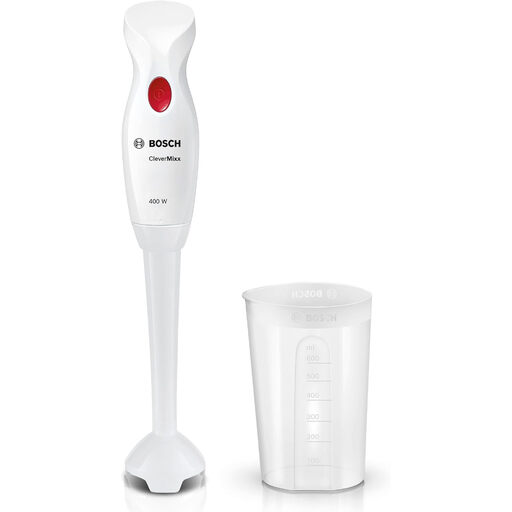
May suit small quantities of sauce or soup, as long as the blending foot is immersed far enough in your container.
Removable blending foot and measuring beaker; the removable parts are described as dishwasher-safe.
 No image available
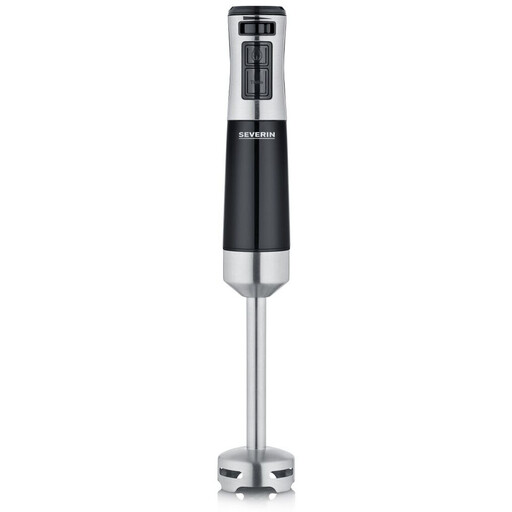
An option if you make sauces or purées as well as dressing.
Variable speed control and removable blending foot; the foot is described as dishwasher-safe.
 No image available
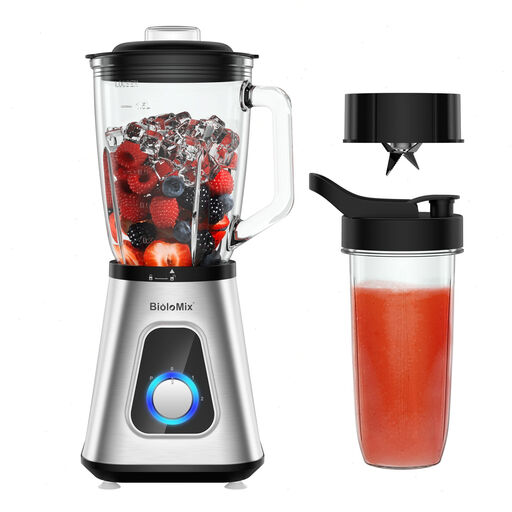
May be worth considering if you make larger quantities as well as dressing. For small portions, the quantity needs to suit the container.
1.5-litre glass bowl, 600 ml bottle and removable blades. The product description specifically says the bottle is for dressings.
 No image available
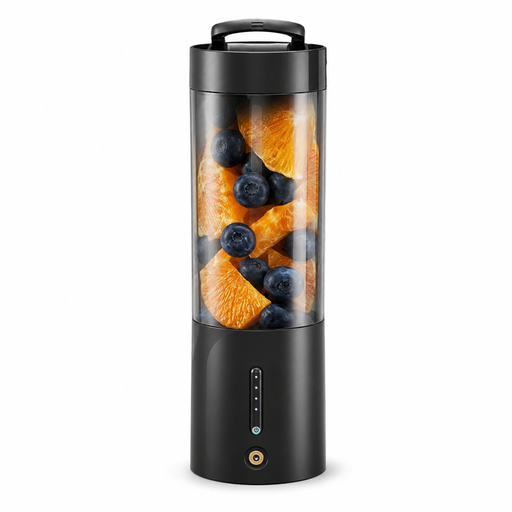
Described as suitable for smoothies and drinks. For tahini dressing, check that the portion size and consistency are suited to its intended use.
450 ml container, six stainless steel blades and magnetic charging. For hard ingredients, the product description recommends cutting them into small pieces and adding liquid beforehand.
 No image available
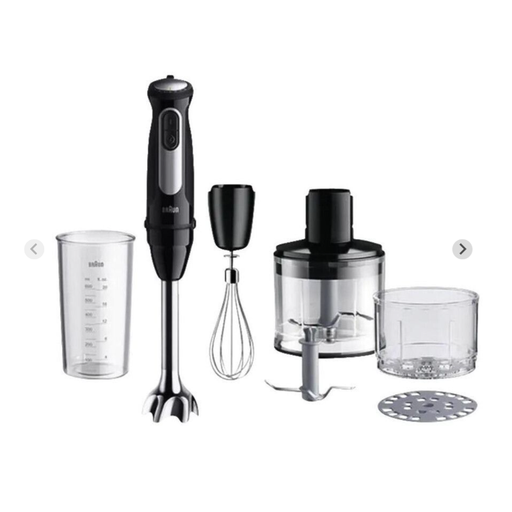
May suit small quantities and extra tasks such as blending or chopping, provided the container is the right size for your portion.
25 speed settings, turbo function and metal blending foot. The product description says to fully immerse the foot when blending liquid or semi-liquid ingredients.
No, you don’t necessarily need a blender for a simple dressing: a Good Food recipe mixes tahini, lemon and water in a small bowl. A blender may also be useful if you regularly blend other ingredients.
Use a container that’s tall enough and a good fit for the blending foot, and check the cleaning instructions for the specific model. An advertised splash protection feature doesn’t automatically guarantee the same results with every appliance.
Clean all food-contact parts after use according to the appliance instructions, and check separately whether each part is dishwasher-safe. The Federal Institute for Risk Assessment points out that kitchen items can carry microbes even when they look clean.
No. Your statutory rights are against the seller; a guarantee is an additional voluntary promise, subject to its own terms and conditions. The Verbraucherzentrale explicitly distinguishes between these two forms of protection.
Electric blenders placed on the market in Germany must meet the applicable EU product requirements, which may include mandatory CE marking. Your Europe, the European Union’s information service, explains the CE rules for the product groups concerned. CE marking is not an independent quality mark; check the appliance, its marking and the relevant documentation for the specific item you’re considering.