
Lieferung heute & morgen

Qualitätsgarantie

Willkommens-Angebote freischalten: KOSTENLOSE Lieferung | Bis zu 80 % RABATT | Kostenlose 30-Tage-JoyPlus-Testphase
App herunterladen
As a Joybuy Product Recommendation Officer, I see daily how difficult choosing the right tool can be. A pair of high-quality tailor's shears is an investment that, when chosen correctly, will provide years of precise service. However, the market is flooded with products whose marketing promises often obscure more than they clarify. Many buyers invest in a supposedly good pair of shears, only to find after a short time that they become dull, rust, or cause pain during use.
This guide focuses on the crucial, often overlooked details. We uncover the most common purchasing traps and show you what to look for to make an informed decision—for clean cuts and joy in your craft.
Before we turn to the features of good shears, it's important to understand the typical problems that lead to a bad purchase.
To avoid the pitfalls mentioned above, you should carefully examine three technical aspects before buying. These define the durability, precision, and user comfort of shears for fabric.
The heart of any pair of shears is the steel. High-quality models, often offered by heritage brands like Zwilling, use special formula stainless steel. This is specially hardened to ensure long-lasting sharpness.
Ergonomics determine whether you can work for hours without fatigue.
The overall length of the shears and the quality of the pivot screw are crucial for their application.
The choice of the right cutting tool depends on its intended use. To illustrate the differences, we present various tools for specific profiles here.
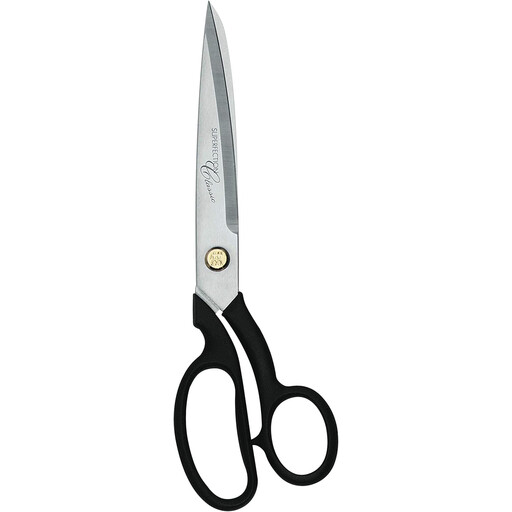
Why This Fits Their Persona: This model is designed for users who work with fabrics daily and need a reliable, durable tool. The Zwilling shears are ideal for precise cuts, even through thick or multi-layered materials like wool or denim.
It bypasses the "stainless steel" trap by using Zwilling's special formula stainless steel, which is renowned for its edge retention. The ergonomic, fibreglass-reinforced handles prevent fatigue and are designed for continuous use.
Durable sharpness thanks to precision-ground blades. The blade tension is adjustable via the gold-coloured precision screw, allowing for individual customisation and maintenance.
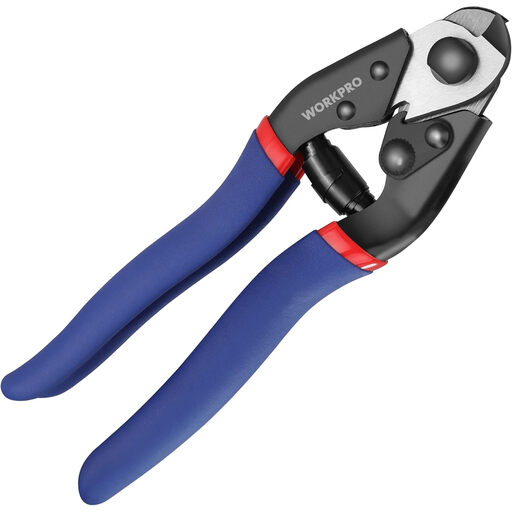
Why This Fits Their Persona: This tool is designed for cutting hard materials like wire ropes, stainless steel cables, and bicycle brake cables. It is a specialist tool for the workshop, not the sewing room.
This example perfectly illustrates the "universal shears" trap. The hardened chrome-vanadium steel jaws are optimised for severing metal. On fabric, they would crush and tear the fibres instead of producing a clean cut.
Maximum leverage and cutting power for hard materials. The safety lock ensures secure storage. It's the right tool for the right job—just not for fabric.
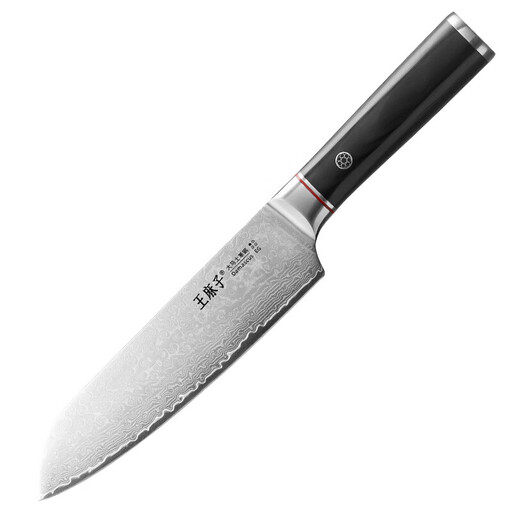
Why This Fits Their Persona: A Santoku knife is a versatile kitchen tool for slicing meat, fish, and vegetables. Its blade shape is optimised for rocking cuts on a cutting board.
A chef's knife has a completely different blade geometry and grind than tailor's shears. Attempting to cut fabric freehand with a knife would result in inaccurate, frayed edges and is also unsafe.
Extremely sharp blade for precise cuts on food. The handle is designed for a secure grip during food preparation. It demonstrates that sharpness alone is not the only criterion.
We have compiled a complete, real-time list of products that fully satisfy these strict selection criteria and UK safety regulations.
To maximise the life and sharpness of your shears, you should wipe them with a soft, dry cloth after each use to remove fabric remnants and moisture. Store them in a dry place. Occasionally oil the pivot area (the screw) with a drop of sewing machine or fine-mechanical oil. Never use the shears to cut paper or other materials.
While there are home sharpening tools available, caution is advised with high-quality professional tailor's shears. The special grind of the blades requires a precise angle that is difficult to achieve by hand. For an optimal result and to avoid blade damage, it is recommended to have high-quality shears like Zwilling shears serviced by a professional sharpening service.
The main difference lies in size and purpose. A pair of dressmaking shears (often 21 cm or longer) has long blades that are ideal for making long, straight, and clean cuts through lengths of fabric. A pair of sewing scissors is significantly smaller and more compact. They are used for fine detail work directly at the sewing machine, such as snipping threads, clipping seam allowances, or working on small appliqués.