
Lieferung heute & morgen

Qualitätsgarantie

Willkommens-Angebote freischalten: KOSTENLOSE Lieferung | Bis zu 80 % RABATT | Kostenlose 30-Tage-JoyPlus-Testphase
App herunterladen
Choosing the right to-go container involves analysing its material, functionality, and specific use case. For professionals, students, and commuters who value prepared meals, key criteria include leak-proof performance, material composition, and modularity. The right container allows for the secure transport of food and beverages and promotes a health-conscious, eco-friendly lifestyle by championing reusable solutions.
Your choice of container should be based on objective parameters. The following technical aspects are relevant for making an informed decision.
Engineering a leak-proof lunch box is a technical challenge. The key lies in the synergy between the lid design and the gasket.
A lunch box with compartments, or a Bento Box, allows for the separate storage of different food components. This prevents flavours and textures from mingling.
The following selection is based on an analysis of product specifications and intended use cases.
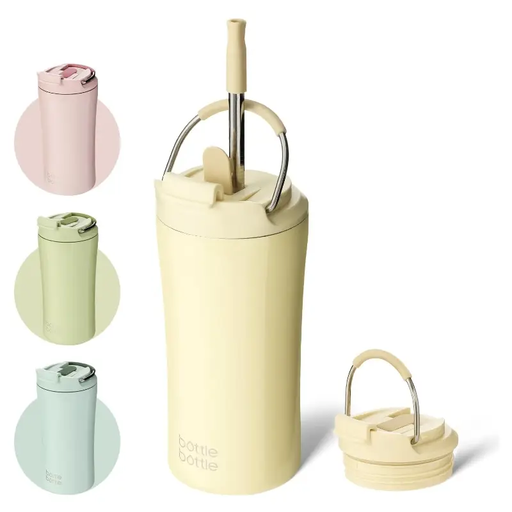
Why We Recommend It: This insulated mug is specialised for transporting hot and cold beverages. Its double-walled construction provides thermal insulation, while the lid offers two drinking options (direct sipping or with a straw) for versatile use. The integrated handle enhances portability and secure handling on the move.
Pros:
Best For: Individuals looking for a dedicated, reusable container for coffee, tea, or cold drinks for their commute, office, or leisure activities.
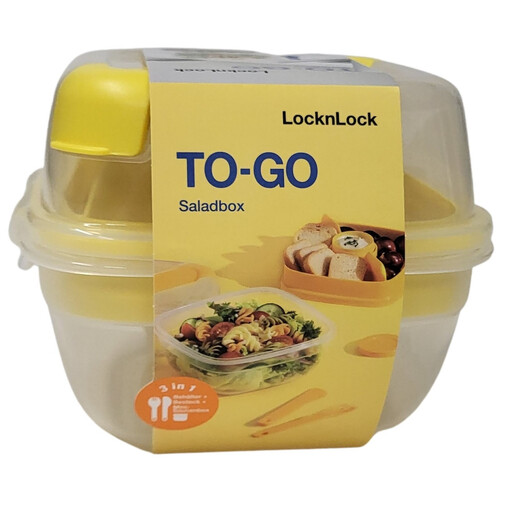
Why We Recommend It: This model is designed as a to-go salad bowl, solving the problem of soggy greens. The lid includes a three-compartment tray that keeps toppings and lettuce separate until you're ready to eat. The included cutlery and separate dressing container make it a complete, all-in-one solution. According to the manufacturer, the four-sided locking system makes the container 100% airtight and watertight.
Pros:
Best For: Users who regularly transport salads or multi-component meals and prefer an all-in-one solution.
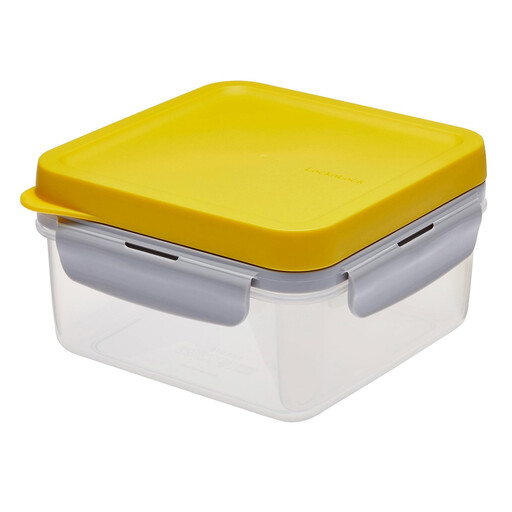
Why We Recommend It: With a 1.2-litre capacity and three removable compartments, this divided lunch box meets the needs of users who prepare full meals as part of their meal prep routine. The modular design offers excellent flexibility. Its technical features, such as the patented locking system and temperature resistance, match those of the smaller model, ensuring both functionality and security.
Pros:
Best For: Individuals who prepare larger portions or multiple meals for the day and need a flexible, leak-proof, and high-capacity Bento box.
If the models featured here don't perfectly match your requirements, you can find a wider selection of containers in various sizes and designs tailored to different transport needs in our Yellow Label category.
1. What does BPA-free mean, and why is it important? BPA (Bisphenol A) is a chemical compound used in the manufacturing of certain plastics, such as polycarbonate. It is suspected that BPA can leach from the plastic into food. Products declared as BPA-free are made from alternative plastics like polypropylene (PP) or Tritan, which do not contain this compound. This is a crucial criterion for consumers who are mindful of the material composition of their food containers.
2. How do I properly clean a leak-proof lunch box to maintain its seal? For proper cleaning, all components (container, lid, gasket) should be separated. The silicone gasket can usually be easily removed from the lid. Clean all parts with warm water and mild washing-up liquid, or follow the manufacturer's instructions for dishwasher use (often top-rack only). Ensure that all parts, especially the gasket and the groove in the lid, are completely dry before reassembling the container. This prevents mould growth and preserves the gasket's function.
3. Can I use any to-go container in the microwave? No. Microwave suitability depends on the material. Containers made of glass or certain plastics like polypropylene (PP) are often microwave-safe. Stainless steel containers must never be placed in a microwave. Always follow the manufacturer's instructions. As a general rule, the lid should be removed before heating, as the resulting steam can build up pressure.