
Lieferung heute & morgen

Qualitätsgarantie

Willkommens-Angebote freischalten: KOSTENLOSE Lieferung | Bis zu 80 % RABATT | Kostenlose 30-Tage-JoyPlus-Testphase
App herunterladen
A tanning oil can keep your skin supple while you sunbathe and, depending on the formulation, help you achieve a glossy, even complexion. However, sun oils differ significantly in terms of SPF, application, skin feel and ingredients. If you only look for terms like “intensive tan”, “tanning oil” or “tan accelerator”, you risk overlooking important buying criteria.
This buying guide from the Joybuy Product Recommendation Officer shows what sun worshippers in the UK should look for in 2026 and which products suit different usage profiles.
An oil can have nourishing properties without offering adequate UV protection. A tanning oil without sun protection, such as Hawaiian Tropic Tropical Tanning Oil SPF 0, does not protect against sunburn according to the product information. Cocosolis Watermelon is also explicitly sold without UV filters.
A low SPF is not suitable for every skin type either. Particularly fair, sensitive or untanned skin generally needs a dedicated sun protection product with an appropriate SPF. Always check the product details for skin type, SPF and application before buying.
The term tan accelerator often describes a cosmetic product positioning. It is not a guarantee of a specific speed or intensity of tanning. Factors such as skin type, UV intensity, length of exposure and individual reaction all influence the result.
An oil can care for the skin’s surface and thereby help support a more even appearance. However, it does not automatically prevent overexposure to UV radiation.
A dry sun oil often absorbs more quickly than a classic, rich oil. However, the skin feel depends on the overall formulation, the amount applied and your skin type. If you use a lot of product or put clothes on straight away, you may still experience residue. Warnings such as “may stain fabrics” should be taken seriously.
The most important parameter is the stated SPF. The product range includes various options:
The SPF value should not be seen as a licence to stay in the sun longer. Direct midday sun should be avoided; clothing, shade and a suitable sunscreen are also important.
A moisturising tanning oil can be of interest for dry areas on arms, legs, shoulders, knees or elbows. Commonly used nourishing ingredients include:
You should still check the full ingredients list. Fragrance ingredients such as limonene, linalool, citronellol or geraniol may be present. If you have sensitive skin, it is advisable to do a small patch test on an inconspicuous area. If irritation occurs, stop using the product.
Not every sun oil is automatically intended for both areas. A sun oil for face and body should be explicitly labelled as such. Collistar Supertanning Moisturizing Dry Oil SPF30 is stated as suitable for face and body. Cocosolis Watermelon is also listed for face and body, but contains no UV protection.
Avoid contact with the eyes. For the face, a non-comedogenic product specifically designed for that purpose may be more suitable than a heavily fragranced body oil. Always follow the specific instructions on the packaging.
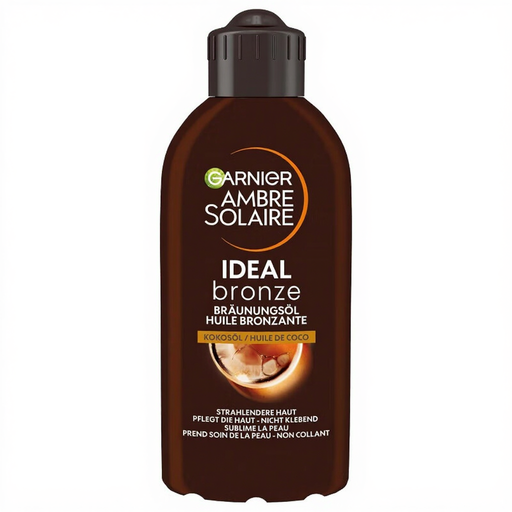
Why This Fits Their Persona: The 200 ml size is ideal for users looking for a body oil for already very dark or pre-tanned skin, who value a fast-absorbing texture.
The product information advises using a suitable sunscreen alongside it. The oil should therefore not be considered a sole source of UV protection.
200 ml content, coconut oil and other plant-based oils; according to the product description, it absorbs quickly without a sticky or greasy finish.
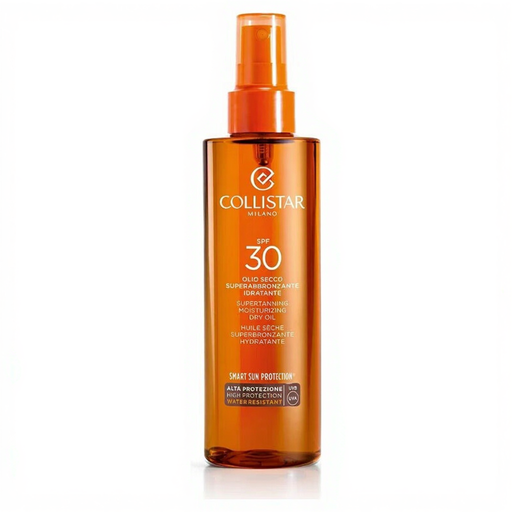
Why This Fits Their Persona: For those who prefer a tanning oil with SPF for face and body, and need a clearly stated SPF 30 in their choice.
The SPF is stated directly in the product name. Nevertheless, the advice on using enough product, reapplying and limiting sun exposure still applies.
200 ml content, dry oil texture and, according to the product information, UVA/UVB filters; suitable for use on face and body.
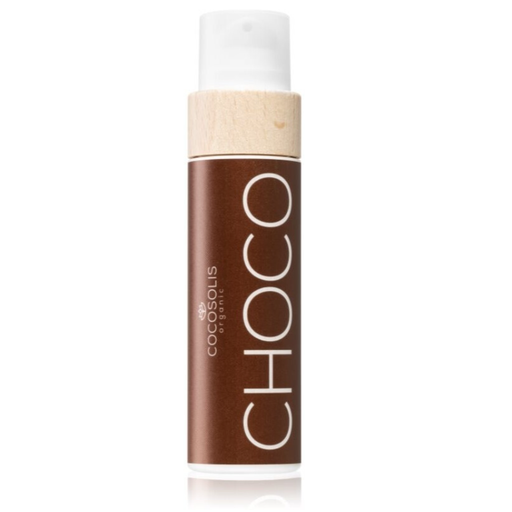
Why This Fits Their Persona: Suitable for users looking for a body oil with multiple plant-based oils for dry skin areas and regular use.
The product information explicitly states no SPF. This makes the distinction from sun protection clear; if you are exposed to UV, you must also use a suitable sunscreen.
Jojoba, coconut, almond and avocado oils, plus shea butter and vitamin E; described as having a light, fast-absorbing texture.
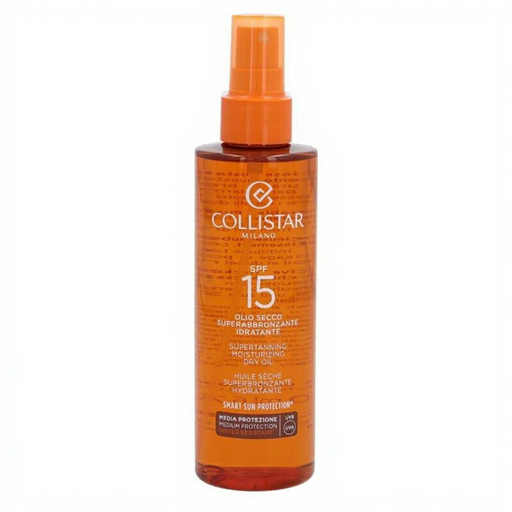
Why This Fits Their Persona: An option for those who are already lightly tanned and want to combine a medium or low SPF with a non-greasy texture.
The SPF 15 is clearly stated. This reduces the risk of mistakenly using an oil without protection as sun care; however, suitability for fair skin should still be checked individually.
200 ml content, dry oil formulation and, according to the product description, water-resistant application; regular reapplication is still necessary.
Here you will find a regularly updated selection of products that can be compared by SPF, texture and intended use.
A tanning oil without UV filters may be intended for skincare, but it offers no protection against sunburn. If you are exposed to sunlight, you should also use a sunscreen that is suitable for your skin type and the situation. A product with SPF also does not replace the need to avoid intense midday sun.
Only if the manufacturer explicitly lists the face and body as areas of use. The formulation, fragrance ingredients and skin feel may differ from a facial moisturiser. If you have sensitive or blemish-prone skin, check the ingredients list particularly carefully.
The exact shelf life is stated on the packaging. A symbol for the period after opening may also be shown. Heat, direct sunlight and frequent opening can affect product quality. If the smell, appearance or skin feel changes, do not continue using the oil.