
Lieferung heute & morgen

Qualitätsgarantie

Willkommens-Angebote freischalten: KOSTENLOSE Lieferung | Bis zu 80 % RABATT | Kostenlose 30-Tage-JoyPlus-Testphase
App herunterladen
There are several ways to achieve an even-looking tan today: with self-tan without UV exposure, self-tan mousse, a self-tan serum for the face or tanning oil with SPF. At first glance, choosing between them seems straightforward, but marketing can make different types of product sound very similar. If you don’t check the differences, you could quickly end up with something that doesn’t suit your skin type, the depth of colour you want or how you plan to use it.
A product can help you tan without protecting you from UV radiation. Tanning oil without SPF and intensive tanning products are not substitutes for sun protection. Self-tan doesn’t create a natural UV barrier either. So if you’re spending time outdoors, you’ll need a suitable sun protection product.
For tanning oils, the stated sun protection factor (SPF) should be the deciding factor. SPF 0 means no sun protection is stated, while SPF 6 offers only low protection. According to product information, these products are not intended for very fair, sensitive or untanned skin.
Water-resistant tanning oil can maintain its stated level of protection for longer in certain conditions. However, swimming, sweating and drying off can reduce the protective layer. That’s why you need to reapply regularly. “Water-resistant” doesn’t mean you can skip reapplication.
A tinted tanning lotion can show colour as soon as you apply it. Self-tan containing DHA, on the other hand, usually develops over several hours. An instant colour can make it easier to apply the product evenly, but it doesn’t tell you anything by itself about how long the colour will last or whether it offers UV protection. For the best chance of a streak-free result, preparing your skin, applying a small amount and washing your hands thoroughly matter more than an especially bold marketing claim.
If you have fair or sensitive skin, choose a product with a suitable stated SPF. Tanning oil with SPF 30 is very different from tanning oil with SPF 0. Some products are aimed at people with already tanned or very dark skin, but UV protection is still essential.
If you’d like a natural summer glow all year round without sun exposure, you could try self-tan, a self-tan serum or mousse. A face and body tanner is handy if you want to use the same product on several areas. For your face, lightweight textures and a formula you can dose precisely are often more suitable than a rich body oil.
It’s worth checking the full INCI list before you buy. Common ingredients include:
If your skin is sensitive or prone to reactions, test the product on a small area first. Everyone’s skin can react differently to fragrance, DHA or alcohol. Stop using the product if redness, stinging or itching persists.
Mousse can be spread over larger areas with a tanning mitt. Lotion may feel more comfortable on dry skin, while serum can be dispensed drop by drop for the face. Before applying, gentle exfoliation is recommended. Dry areas on your knees, elbows and ankles should also be moisturised.
Don’t overlook the development time: depending on the product, you may need to avoid showering, bathing or having close contact with clothing for several hours. Always follow the instructions on the individual product packaging.
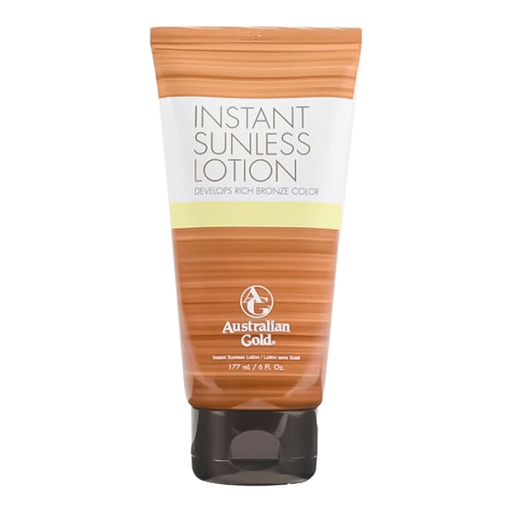
Why it suits this profile: This lotion gives you an instant visible tint and is applied without sun exposure. The 177 ml tube makes it easy to control how much you use on your body.
The visible tint makes it easier to apply the lotion evenly. The product information also clearly states that it contains no sun protection.
Lotion texture, an instant visible tint and a recommended wait of at least two hours before washing.
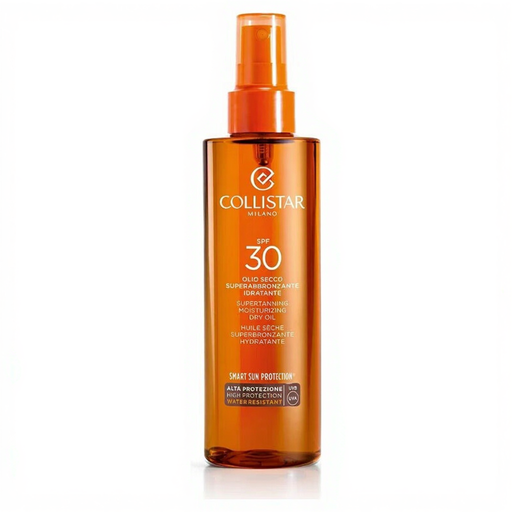
Why it suits this profile: This dry oil has a stated SPF 30 and is intended for use on both the face and body. The product information also recommends reapplying after swimming, sweating or drying off.
The clearly stated SPF helps distinguish it from tanning oil with no sun protection factor. The directions also give clear guidance on when to reapply.
SPF 30, 200 ml and, according to the product information, suitable for use on the face and body.
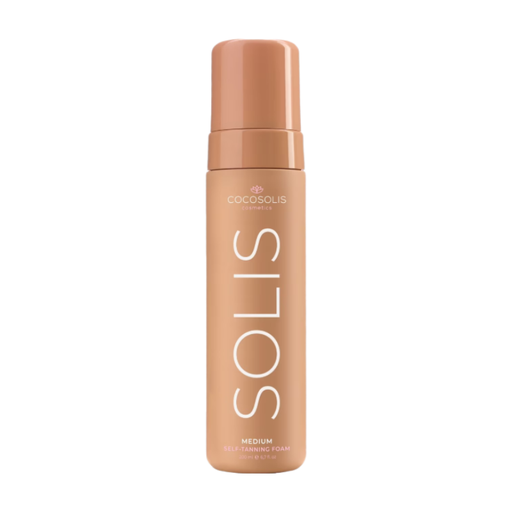
Why it suits this profile: This mousse is intended for the face and body and, according to the product description, is vegan and cruelty-free. The medium shade is a good choice if you prefer to build up the colour gradually.
Following the recommended preparation, applying the mousse in even strokes and allowing it to develop for eight hours can help you avoid using too much.
200 ml of mousse, suitable for the face and body, and labelled vegan and cruelty-free.
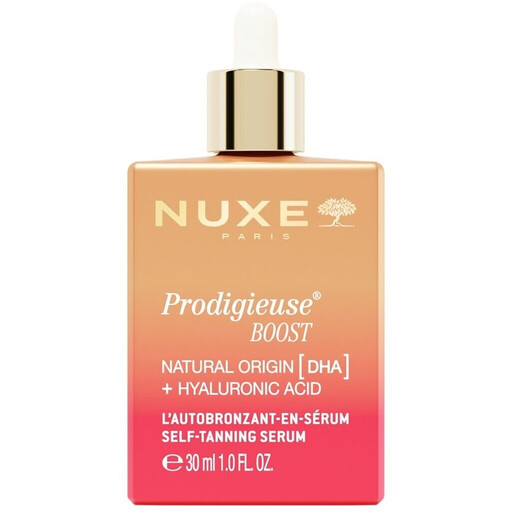
Why it suits this profile: This serum is intended for the face and neck. You can adjust the colour by using different numbers of drops or mixing it with your face cream.
Using three to 15 drops lets you build up the colour gradually. The product contains no sun protection, so bear this in mind when planning your daytime skincare routine.
100% naturally derived DHA, according to the product description, hyaluronic acid and an adjustable number of drops.
We’ve put together a complete, regularly updated list of products that meet these strict selection criteria and fully comply with the safety regulations in force in the EU.
How long it lasts depends on the product, your skincare routine, how often you shower and how much your clothes rub against your skin. Regular washing and exfoliation will gradually fade the colour. Wait until the previous tan has faded fairly evenly before applying more.
Only if the product is specifically intended for the face. A self-tan serum for the face is usually easier to apply precisely than a body lotion. Avoid the eye area, lips and any irritated skin. Face self-tanners don’t offer UV protection either.
Tanning oil can moisturise the skin’s surface and complement the tanning process, but it may not contain a sun protection factor. Tanning oil with SPF, on the other hand, has a specific SPF stated. Apply enough to provide adequate protection, and reapply after contact with water or sweat.