Make tapenade to your preferred texture
If you want to roughly chop olives or blend them into a paste, depending on the recipe, look for a chopper that’s easy to control.


For tapenade, a chopper with a bowl suited to the quantity of ingredients and easy-to-control short bursts is a good place to start. If you’re making larger batches or regularly slicing and grating ingredients, a compact food processor may be a better fit. Check each model’s usable capacity, what’s included and how easy the individual parts are to clean.
If you want to roughly chop olives or blend them into a paste, depending on the recipe, look for a chopper that’s easy to control.
For a dinner with friends, it helps to compare the quantity of ingredients you’re planning to use with the bowl size, and consider whether you might need to work in batches.
If you also want to slice or grate ingredients regularly, you could look for extra discs and consider how much storage space they’ll need.
A good fit if: small dips and minimal worktop space are your priorities. WMF offers a 0.3 l model, while KitchenAid has one with a stated capacity of 830 ml.
Worth bearing in mind: Larger batches may need to be made in several rounds; the stated capacity doesn’t tell you how much tapenade you can actually process.
A good fit if: you regularly make larger quantities of dip for several people. Rommelsbacher lists a 1-l glass bowl for the MZ 400.
Worth bearing in mind: A larger bowl takes up more space. Check the minimum quantity suitable for your recipe before you buy.
A good fit if: you want to slice or grate ingredients regularly as well as make tapenade. Kenwood lists a 1.3-l bowl and slicing and grating discs for the MultiPro Go FDP22.140GY.
Worth bearing in mind: Extra discs need to be stored and cleaned. Their inclusion doesn’t mean the appliance is suitable for every small portion of dip.
When making tapenade for a dinner with friends, your choice will largely depend on whether texture, portion size, cleaning or extra kitchen tasks matter most to you.
| Buying priority | What to look for | Who is it most relevant to? |
|---|---|---|
| Control the texture | Check whether the model has a pulse function, and whether the blades and settings will give you the texture you want. KitchenAid lists a pulse function and multi-purpose blade for the 5KFC3516. | If I prefer olive pieces rather than a smooth purée, I want to be able to control the chopping process carefully. Consumers who prioritise texture control account for around 33%. |
| Plan the portion size | Compare the quantity in your recipe with the bowl size, and check whether a usable capacity is specified. KitchenAid lists 830 ml for the 5KFC3516; Rommelsbacher lists a 1-l glass bowl for the MZ 400. | If I’m preparing dip for several guests, I want to know whether the planned batch will fit in the bowl. Consumers whose main priority is portion size account for around 27%. |
| Plan for cleaning | Check the model details to see which removable parts are dishwasher-safe. WMF lists the bowl, lid and blade for the KÜCHENminis 0.3 l. | If I want to minimise the number of parts I have to wash by hand after a meal, I need to know what can actually go in the dishwasher. Consumers who prioritise easy cleaning account for around 20%. |
| Weigh up extra functions | Consider whether you’ll use slicing and grating discs regularly, and check how much storage space they need. Kenwood lists two slicing and grating discs for the FDP22.140GY. | If I also want to use the same appliance regularly for slicing or grating, extra accessories could be useful. Consumers whose main priority is versatility account for around 20%. |
The bowl capacity alone doesn’t tell you what quantity is practical for your recipe. It’s also worth checking whether a large bowl is suitable for small batches: Rommelsbacher recommends a different appliance for small quantities of pesto, but this doesn’t establish a minimum quantity for tapenade.
Work out the quantity of ingredients you need and check the model-specific details for usable capacity or minimum quantities.
A mini chopper may be designed for dips and come with a blade, while a compact food processor may include extra discs for other preparation tasks.
Choose extra accessories deliberately, if you’re genuinely planning to use them.
Extra discs mean more parts to store and clean.
Even the KitchenAid models mentioned here differ in bowl size and accessories. A similar name doesn’t confirm that the version and what’s included are the same.
Before buying, compare the full model number, version, bowl and included accessories.
The 5KFC3516 is a mini chopper with an 830 ml working bowl; the 5KFC0516 has a 1.19-l bowl. KitchenAid describes these as different models.
The KÜCHENminis chopper, with a 0.3 l capacity, is designed for small batches.
According to the manufacturer, the MZ 400 combines a 1-l glass bowl with a chopping blade and is also designed for dips.
The MultiPro Go FDP22.140GY is a compact food processor with a blade, a 1.3-l bowl, and slicing and grating discs.
The MMRP1000 is a universal chopper with a momentary switch.
This selection includes choppers and food processors for chopping ingredients for dips, as well as appliances for other food preparation tasks.
 No image available
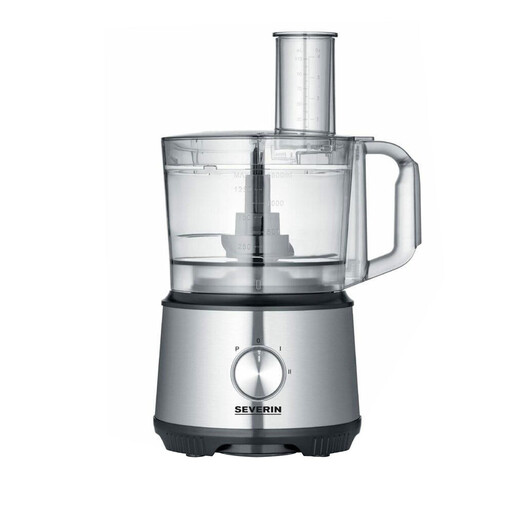
The specifically listed chopping function is useful for preparing dip ingredients. The extra discs are handy if you also want to slice or grate.
The bowl holds 1.5 l. It comes with a blade, an emulsifying disc and three disc inserts; the removable parts are described as dishwasher-safe.
 No image available
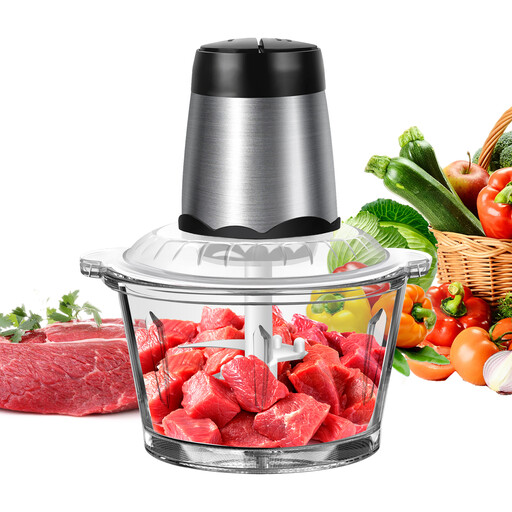
The listed chopping and puréeing functions are useful when preparing a dip. Check that the bowl size also suits the quantity of ingredients you’ll actually be using.
The glass bowl holds 2 l; the listed features include two speeds and four stainless steel blades. The appliance can run for up to 40 seconds, after which a break of at least 2 minutes is recommended. After three cycles, a cooling period of 15 minutes is specified.
 No image available
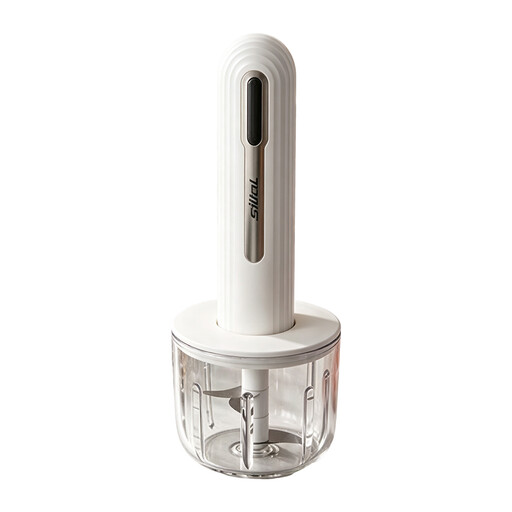
Short bursts are recommended for dips and dressings, so you can control the chopping process step by step.
The appliance has a transparent bowl and metal blades. The removable parts should be washed by hand.
 No image available
The 2-l glass bowl gives you a specific capacity to plan around. Still, compare the quantity of ingredients you’re using with the stated usable capacity.
Listed features include 300 W, two speeds, four stainless steel blades and a safety lock. The appliance can run continuously for up to 40 seconds, after which a break of at least 2 minutes is recommended; a cooling period of 15 minutes is specified after three cycles.
 No image available
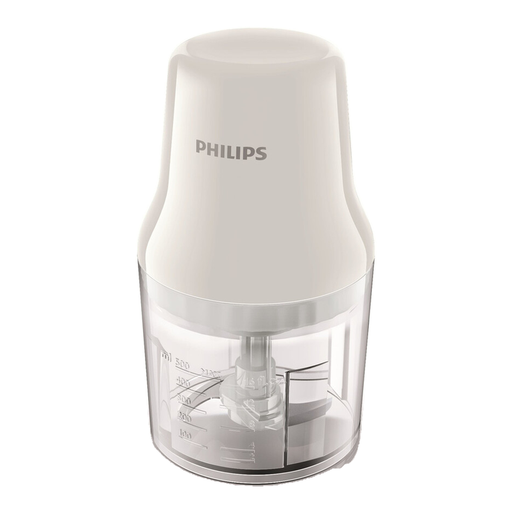
The 0.7-l bowl can give you an idea of what’s suitable for smaller quantities. Compare it with the amount of ingredients you’re using and check whether you’ll need to work in batches.
The model is listed as having 450 W, a stainless steel blade and one-touch operation. The removable parts are described as dishwasher-safe. The blade is very sharp, so take care when fitting, removing and cleaning it.
Use a controllable pulse function in short bursts, checking the texture as you go. Kenwood describes the pulse button as a way to control processing; this is the manufacturer’s claim, not the result of a comparative tapenade test.
No. The dishwasher guidance mentioned here applies to removable parts. WMF lists the bowl, lid and blade, while Rommelsbacher refers to removable parts. Check your model’s instructions, and don’t put the motor unit in the dishwasher with these parts.
For newly purchased goods, the Verbraucherzentrale generally describes statutory rights against the seller for two years. A manufacturer’s guarantee is separate; check the time limits and conditions that apply to your particular case.
Look for clear manufacturer details, an identifiable product label and safety information. When inspecting electrical household products, the Bundesnetzagentur lists factors including CE marking, manufacturer details and German-language instructions with warnings. These checks don’t confirm that a particular model or listing complies with the relevant requirements.