
Lieferung heute & morgen

Qualitätsgarantie

Willkommens-Angebote freischalten: KOSTENLOSE Lieferung | Bis zu 80 % RABATT | Kostenlose 30-Tage-JoyPlus-Testphase
App herunterladen
Preparing loose-leaf tea is more than just a process—it's a ritual that promises enjoyment and a moment of calm. But the market for tea accessories can be overwhelming. Appealing designs often lead to purchases that prove impractical or short-lived in daily use. Before you invest, it's crucial to understand the common pitfalls to avoid disappointment and find accessories that will truly enhance your tea experience.
This guide will help you separate the wheat from the chaff. We'll highlight the critical features that determine the durability and functionality of your accessories and show you what really matters when making your choice.
Many products don't live up to their aesthetic promise. Watch out for these three common issues to avoid making a bad investment:
To avoid the problems mentioned above, you should check three core aspects before buying. These are the key determinants of your tea accessories' quality and real-world usability.
The material affects not only the appearance but also heat retention and flavour.
The type of filter should match your habits.
Based on the quality criteria mentioned, we have identified several products that are particularly well-suited for different user profiles.
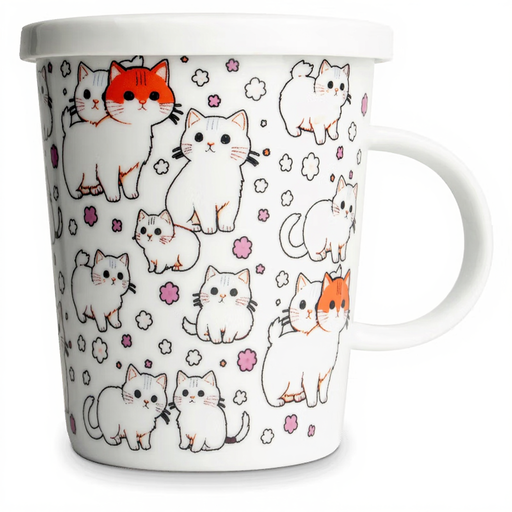
Why This Fits Their Persona: Ideal for anyone looking for a straightforward entry into the world of loose-leaf tea. Perfect for a single cup at the office or at home without needing separate accessories.
As a complete system, the mug, infuser, and lid are perfectly matched. The flavour-neutral porcelain avoids the pitfall of low-quality materials.
All-in-one solution for maximum convenience. The porcelain is heat-resistant, durable, and dishwasher-safe.
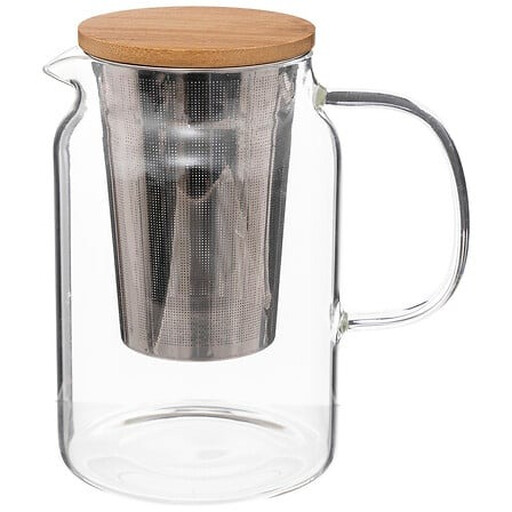
Why This Fits Their Persona: For tea lovers who celebrate the brewing process and value appealing aesthetics. The transparent pot makes the unfurling of the tea leaves a visible spectacle.
Made from borosilicate glass, this teapot is resistant to thermal shock, thus avoiding the risk of cracking that threatens cheaper glass.
High heat resistance and an elegant design with a bamboo lid. The 90 cl capacity is ideal for serving guests.
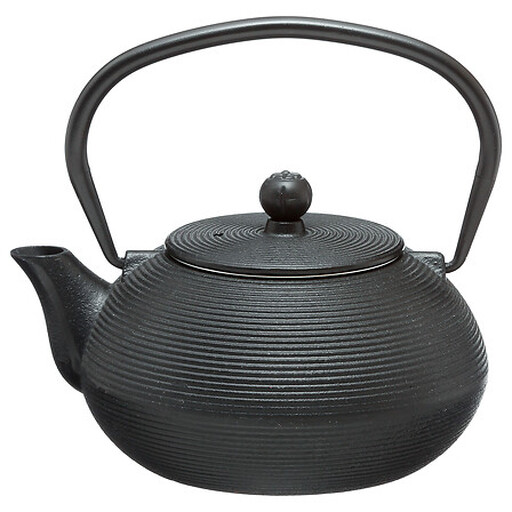
Why This Fits Their Persona: For tea drinkers who appreciate the superior heat retention of cast iron for preparing robust black or oolong teas and are looking for a durable, traditional piece.
The robust cast iron construction is built for longevity, standing in contrast to visually appealing but fragile alternatives.
Excellent and even heat retention keeps the tea at the ideal temperature for a long time. The 600 ml capacity is well-suited for 1-2 people.
We have compiled a complete, real-time list of products that fully satisfy these strict selection criteria and UK safety regulations.
After use, rinse the pot only with warm water and dry it thoroughly inside and out immediately to prevent rust. Never use dish soap, as it can damage the protective patina or the enamel coating.
For delicate teas like green or white tea, pots made of porcelain, ceramic, or glass are a good choice. These materials do not retain heat as intensely as cast iron, which reduces the risk of "burning" the delicate leaves at high temperatures and causing them to become bitter.
In many cases, yes. Fillable filters are often made from unbleached, compostable paper or materials like corn fibre. They also allow you to use high-quality loose-leaf tea, which generally offers better quality and a fuller aroma than the fine dust found in many industrial tea bags.