
Lieferung heute & morgen

Qualitätsgarantie

Willkommens-Angebote freischalten: KOSTENLOSE Lieferung | Bis zu 80 % RABATT | Kostenlose 30-Tage-JoyPlus-Testphase
App herunterladen
As a Joybuy Product Recommendation Officer, I see the vast selection of tea accessories every day—and how easy it is to get overwhelmed. A great tea deserves a great preparation. However, small, seemingly insignificant flaws in tea eggs, filters, or matcha accessories often lead to disappointment: tea leaves in your cup, rusting materials, or a flat taste. Before you make a decision, you should know the most common pitfalls that can spoil the tea experience.
Many products look practical at first glance but reveal their weaknesses only in daily use. Pay special attention to these three points to avoid poor investments:
To avoid these problems, you should focus on a few fundamental quality features. These will help you separate the wheat from the chaff and find a product that reliably does its job.
The material is the foundation for an excellent tea experience. Each has specific advantages and disadvantages:
A tea filter for loose tea must be functional. The mesh size is critical: it must be fine enough to retain even small particles of herbal or rooibos tea, but at the same time permeable enough for optimal water circulation. For reusable filters, a secure locking mechanism (click, screw, or clamp closure) is also essential. In sets, such as a Japanese tea set, all parts should be functionally coordinated.
The choice of the right accessory depends heavily on your personal habits. Here are some recommendations tailored to different user profiles.
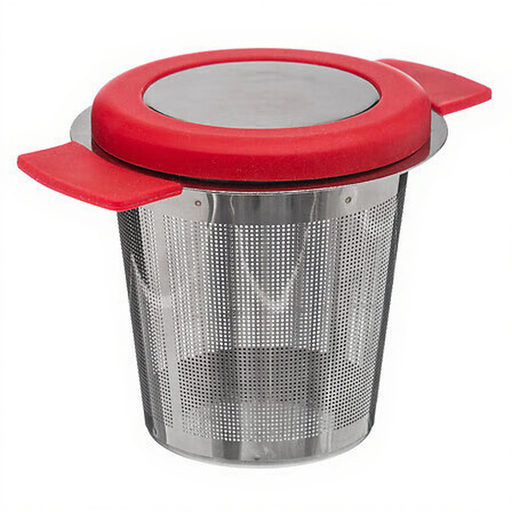
Why This Fits Their Persona: Ideal for daily, straightforward tea enjoyment directly in the cup. The combination of a strainer and a matching stand is a clean and practical solution for the office or home, without much effort.
The fine stainless steel mesh reliably prevents tea debris from getting into the cup. The included stand solves the problem of dripping tea strainers and ensures a clean work surface.
Made from rust-proof stainless steel for durability and flavour neutrality. The set of a strainer and stand is a well-designed all-in-one solution.
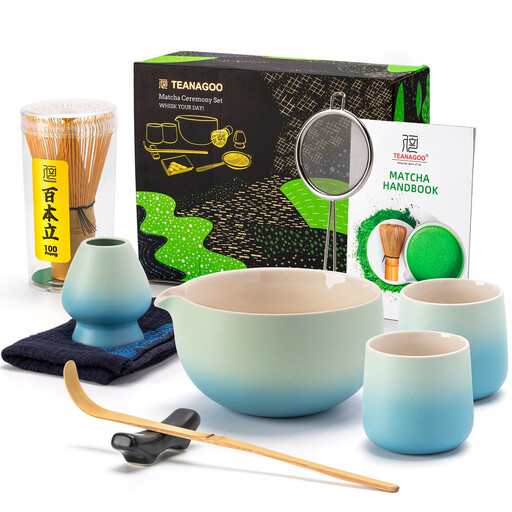
Why This Fits Their Persona: Perfect for anyone looking to dive into the world of the Japanese tea ceremony or complete their existing setup. This set provides all the necessary tools in an aesthetically pleasing design.
A complete Matcha set prevents the error-prone purchase of individual parts that may not harmonise in size or function. All components are coordinated, from the whisk to the bowl.
Comprehensive 9-piece set including a handmade matcha whisk, ceramic bowl, and sifter. The materials (bamboo, ceramic) are food-safe and designed for traditional preparation.
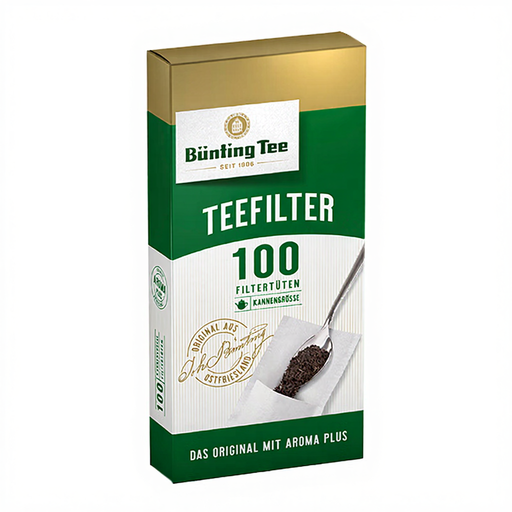
Why This Fits Their Persona: For tea drinkers who appreciate the flexibility of loose tea but prefer a quick, clean, and environmentally friendly solution for preparation and disposal.
These filters are made from a flavour-neutral, chlorine-free bleached material. The bottom gusset counteracts the problem of insufficient volume, giving the tea leaves the necessary space to develop their aroma.
Made in Germany, compostable, and featuring a practical tab for easy handling. The special fabric structure ensures a clear cup of tea without any residue.
We have compiled a complete, up-to-date list of products that fully meet these strict selection criteria and German safety regulations.
Most stainless steel strainers are dishwasher-safe. For a thorough manual cleaning, rinse the strainer under running water immediately after use to remove tea residue. For stubborn deposits, a soft brush with a little washing-up liquid can help. Afterwards, let the strainer air dry completely.
For very fine teas like rooibos or certain herbal teas, paper or non-woven fabric filters are an excellent choice, as their pores are extremely small and let virtually no particles through. For reusable options, you should look for a tea infuser with a particularly fine stainless steel mesh.
A good matcha whisk (Chasen) is traditionally crafted from a single piece of bamboo. The number of prongs is a mark of quality—80 to 120 prongs are common and ensure a fine, creamy foam. The prongs should be flexible and curl inwards. A holder (Kusenaoshi) helps to maintain the shape of the whisk after use and extend its lifespan.