
Lieferung heute & morgen

Qualitätsgarantie

Willkommens-Angebote freischalten: KOSTENLOSE Lieferung | Bis zu 80 % RABATT | Kostenlose 30-Tage-JoyPlus-Testphase
App herunterladen
For lovers of loose leaf tea, the right tea filter is crucial for the perfect cup. However, the market for tea accessories is flooded with products that vary wildly in quality and functionality. An unsuitable filter can not only mar your enjoyment with floating sediment but also distort the flavour with inferior materials or quickly become unusable.
As your Joybuy Product Recommendation Officer, I'm here to help you separate the wheat from the chaff. In this guide, I'll show you what to look for to bypass common buying traps and find a solution that perfectly suits your needs.
Before you make a purchase, you should be aware of the typical weaknesses that often only become apparent after a few uses.
To avoid a bad buy, focus on three objective characteristics that determine the quality and longevity of a tea filter.
The choice of material has a direct impact on taste, durability, and convenience.
The shape of the filter should match your drinking vessel and the type of tea.
The fineness of the filter mesh is critical. A very fine mesh is necessary to reliably contain even finely cut teas or herbs. Also, check the craftsmanship: Are the edges cleanly welded or folded? Does the lid or locking mechanism close flush and securely? This is the only way to ensure that no tea leaves can escape.
Here are some recommendations tailored to different user profiles that meet the quality criteria mentioned.
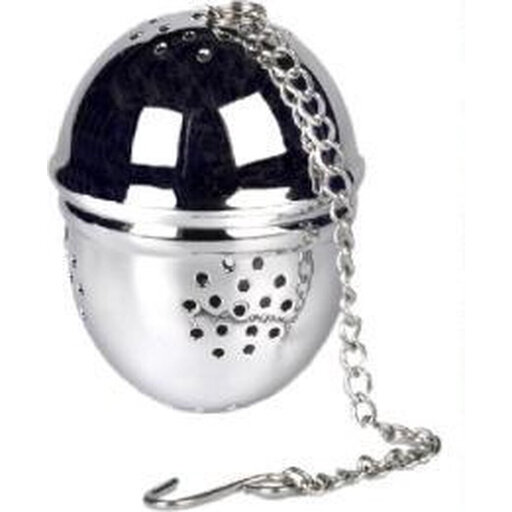
Why This Fits Their Persona: Ideal for tea drinkers switching from tea bags to loose leaf tea. This classic tea ball is an economical, reusable, and straightforward solution for a single cup of tea at home or in the office.
The stainless steel construction prevents rust and flavour distortion. The fine mesh is designed to reliably contain even smaller tea particles.
Durable and easy to clean. The secure clasp prevents tea leaves from escaping during the brewing process.
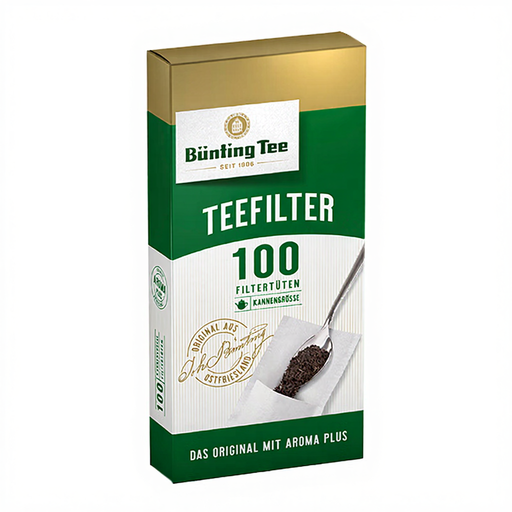
Why This Fits Their Persona: Perfect for frequent tea drinkers and for use in the office, where speed and cleanliness are key. These paper tea filters eliminate the need for cleaning and guarantee a pure, unadulterated taste with every brew.
The specially developed aroma-permeable paper is taste-neutral and ensures optimal development of the tea's flavours. The gusseted bottom provides ample space for tea leaves to expand.
Maximum convenience through single-use design. The practical filling flap makes handling easy and mess-free.
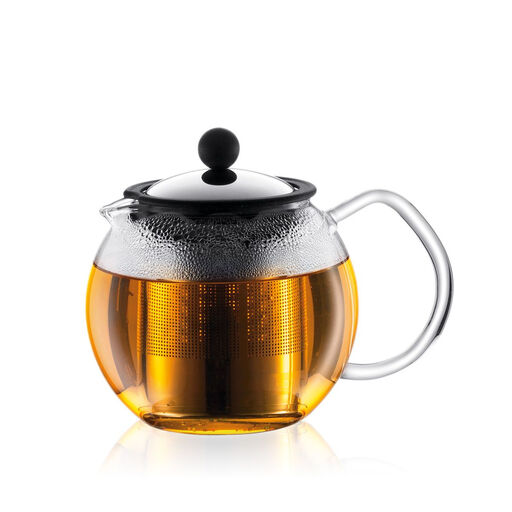
Why This Fits Their Persona: For discerning tea connoisseurs who value control and a high-quality integrated system. This teapot with an infuser and press system allows for precise control over steeping time for a perfect result.
The press system stops the brewing process at the exact desired moment, preventing the tea from over-steeping and becoming bitter. The combination of borosilicate glass and stainless steel signifies high material quality.
Full control over the strength of the tea. The system combines a pot and filter in one elegant, functional design.
We have compiled a complete, up-to-date list of products that fully meet these strict selection criteria and German regulations.
Empty the damp tea leaves immediately after use (preferably into organic waste or compost). Then, rinse the infuser thoroughly under running water. A soft dish brush can help with stubborn residue. For an occasional deep clean, you can soak the stainless steel tea infuser in a solution of water and vinegar or baking soda.
Many manufacturers now offer compostable paper tea filters. Look for corresponding information on the packaging, such as "compostable" or "biodegradable." Unbleached filters made from cellulose or abaca fibres are generally an environmentally conscious choice.
For very fine teas, a filter with an extremely fine mesh or a high-quality paper filter is the best choice. Large-volume stainless steel infuser baskets with a very dense weave or double-walled filters can also deliver good results and prevent particles from getting into your drink.