
Lieferung heute & morgen

Qualitätsgarantie

Willkommens-Angebote freischalten: KOSTENLOSE Lieferung | Bis zu 80 % RABATT | Kostenlose 30-Tage-JoyPlus-Testphase
App herunterladen
The desire for a creamy, aromatic, café-quality hot beverage is strong, but time is often short. Tea latte powder promises a quick and easy solution for home use. Whether it's an energizing Matcha Latte powder in the morning or a calming Hojicha Latte in the evening, the market offers a growing variety. However, not every product lives up to its promise. Many consumers are disappointed by bland taste, excessive sugar, or misleading packaging claims. This guide will help you avoid the common pitfalls and find an instant tea powder that meets your expectations.
Before you make a decision, you should be aware of the most common issues that can lead to a disappointing purchase.
To ensure you get a high-quality product that suits your taste, you should check three core aspects.
The position of the tea powder in the ingredients list is a key indicator of quality. If it's listed near the top, a more intense and authentic flavour experience is likely. Pay attention to the specific type of tea:
A look at the nutrition facts and ingredients list reveals a lot about the drink's character. A high sugar content (often over 40g per 100g) indicates a very sweet product. Some manufacturers use alternative sweeteners or rely on the natural sweetness of the ingredients. Equally important is the base for the creaminess:
Instant tea is known for its simple preparation. Most powders dissolve easily in hot water or warm milk (or a plant-based alternative). Some products are offered in bulk packages, while others are available in convenient single-serving sticks. The latter are ideal for the office or on the go, while larger canisters offer more flexibility in dosing.
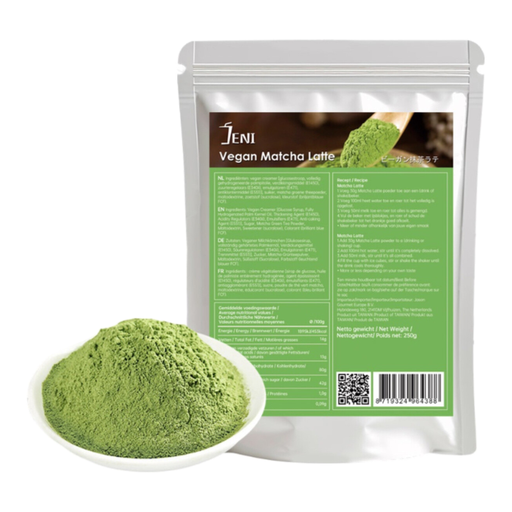
Why It's a Great Fit: Ideal for anyone following a purely plant-based lifestyle or avoiding dairy, without compromising on a creamy latte experience. Preparation is straightforward and quick.
This product avoids the hidden dairy trap by using an explicitly vegan-labelled creamer. The ingredients list is designed for transparency.
The plant-based creamer provides a pleasant creaminess that harmonises well with the sharp matcha flavour. The 250g package offers great value for regular enjoyment.
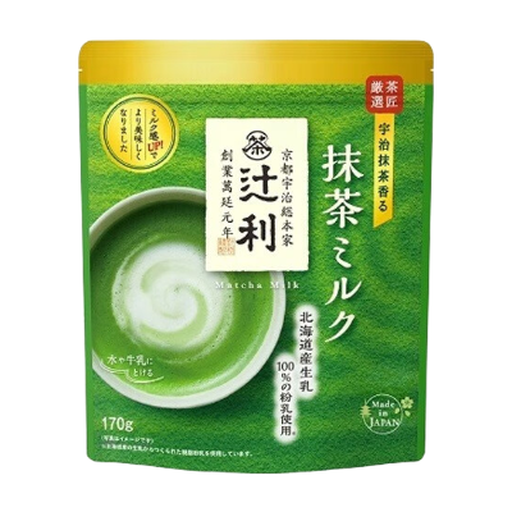
Why It's a Great Fit: For those seeking an authentic, balanced matcha milk tea that comes close to the experience in Japan. Tsujiri is a renowned brand known for its tea quality.
This product avoids a bland taste with a declared matcha content of ≥2%, which is a solid value for an instant mix and ensures a distinct tea aroma.
The blend is carefully balanced between sweetness, creaminess, and the characteristic umami flavour of matcha. It dissolves well in both hot and cold liquids.
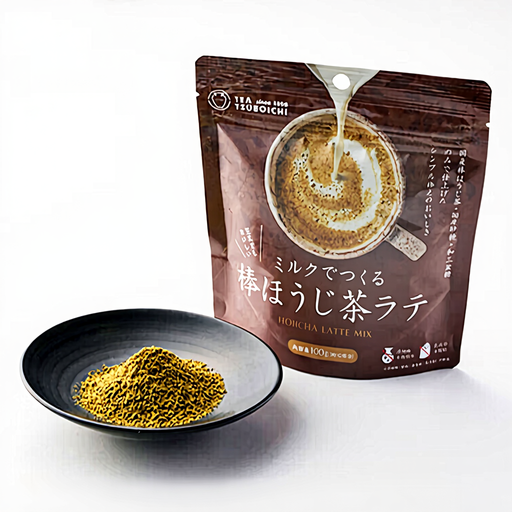
Why It's a Great Fit: Perfect for tea drinkers looking for an alternative to matcha. The Hojicha latte offers a warm, nutty, roasted aroma that is especially pleasant in the cooler months and contains less caffeine.
This product avoids the sugar shock with a concise ingredients list where the green tea (Hojicha) plays a prominent role. It is sweet, but the roasted aroma remains the focus.
Offers a unique flavour profile that stands out from matcha. The mix contains no dairy, making it suitable for a wider audience who can mix it with their preferred milk alternative.
We have compiled a complete, up-to-date list of products that meet these strict selection criteria and regulations.
Most instant tea powders are designed for simple preparation. Add the recommended amount of powder (usually 2-3 teaspoons) to a cup. Pour in about 150-200 ml of hot (not boiling) water or warm milk. Stir vigorously until the powder is completely dissolved. A small milk frother can help achieve an especially smooth, lump-free consistency.
Yes, many mixes are also excellent for preparing iced tea lattes. To do this, first dissolve the powder in a small amount of hot water to ensure it dissolves completely. Then, fill the glass with cold milk or a plant-based alternative and ice cubes. Stir everything well.
You can identify a good Matcha Latte powder by several characteristics. The colour should be a vibrant, rich green, not a dull yellow or brownish-green. In the ingredients list, matcha should be listed as close to the top as possible. A high sugar content often masks inferior tea quality. Finally, a delicate, not-too-bitter umami flavour is a sign of high-quality matcha.