Joybuy Insights

Tea Latte Powder Buying Guide: How to Choose the Right Blend

A creamy, warming tea latte is a comforting alternative to coffee for many. The convenience of an instant tea drink at home is tempting, but the sheer number of products can be overwhelming. Too often, a purchase leads to disappointment when the result doesn't match the café-quality experience you were hoping for. Before you decide, it helps to know the common pitfalls that lead to an unsatisfying flavour experience.

  • The Sugar Trap: Many powders consist mainly of sugar and fillers. The actual tea content is minimal, resulting in an overly sweet, one-dimensional flavour. The drink ends up tasting more like sugary water than an aromatic tea latte.
  • Poor Solubility: A common issue is powder that doesn't fully dissolve in hot or cold liquid. The result is unappealing clumps and a gritty texture in your mouth, which significantly detracts from the enjoyment.
  • Misleading Flavours: Products advertised with "authentic matcha flavour" often contain only artificial flavourings or a negligible amount of real tea powder. The complex taste you expect, whether from a matcha latte powder or a chai latte powder, simply isn't there.

To avoid these problems, a close look at the product's characteristics is essential.

What to Look for When Choosing a Tea Latte Powder

The quality of an at-home latte powder can be judged by a few objective criteria. Instead of being swayed by marketing promises, you should check the following three points.

1. The Order of the Ingredients List

The ingredients in a food product are listed in descending order by weight. This is the most direct indicator of the product's composition.

  • High Tea Content: For a high-quality matcha latte powder or hojicha latte, the tea (e.g., "matcha" or "green tea powder") should appear as high up the list as possible, ideally before or right after the sugar. If "sugar" or "creamer" is the first ingredient, you're primarily buying a sugar- or fat-based drink powder with tea flavouring.
  • Real Tea vs. Extract: Check whether real tea powder (e.g., "black tea powder") is used, or just "black tea extract." Real powder generally provides a fuller, more authentic aroma.

2. Type of Creamer and Sweeteners

The "creamer" is responsible for the creamy consistency, but the quality can vary dramatically.

  • Milk-Based Creamers: Ingredients like whole milk powder or skimmed milk powder provide a natural, milky taste.
  • Plant-Based and Other Creamers: Many products use "creamer" or "coffee whitener," which often consist of glucose syrup and hydrogenated vegetable fats. If you're looking for a dairy-free option, you should specifically seek out a product labelled as a vegan latte powder to ensure it contains no hidden dairy components (e.g., sodium caseinate).
  • Type of Sweetener: Besides refined sugar, alternatives like beet sugar or cane sugar are also used, which can subtly influence the flavour profile.

3. Tea Variety and Origin

The world of tea lattes is diverse and extends far beyond the classic chai latte. The choice of tea variety determines the fundamental flavour profile.

  • Matcha Latte: Made from finely ground green tea. The flavour is typically fresh, slightly astringent, and creamy.
  • Hojicha Latte: Based on roasted green tea. This gives it a nutty, smoky aroma with a natural sweetness and less caffeine than matcha.
  • Chai Latte: A blend of black tea and warming spices like cinnamon, cardamom, ginger, and cloves.
  • Other Varieties: You'll increasingly find innovative flavours like Black Sesame Latte or Rooibos Latte, which offer new aromatic experiences.

Recommended Products for Every Profile

Based on these objective criteria, we have identified a few products suited for different user profiles and preferences.
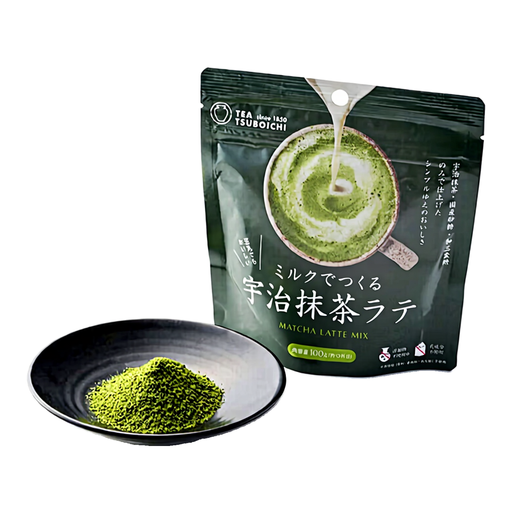
BEST FOR: PURISTS AND THE QUALITY-CONSCIOUS
Tsuboichi Matcha Latte Mix 60g

Tsuboichi Matcha Latte Mix 60g

Why It's a Match: Ideal for those seeking an authentic Japanese matcha flavour with a minimalist ingredient list, free from unnecessary fillers. Made by a time-honoured tea house.

How It Avoids the Pitfall

The formula relies on real matcha and beet sugar. This consistently avoids the trap of artificial flavours and excessive sweetness from fillers.

Key Advantage

Authentic flavour from high-quality matcha; short, transparent ingredient list.
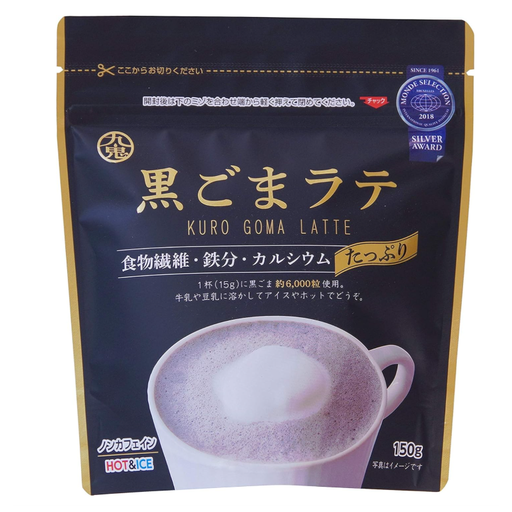
BEST FOR: FLAVOUR EXPLORERS
Kuki Black Sesame Latte Powder Sweetened 150g

Kuki Black Sesame Latte Powder Sweetened 150g

Why It's a Match: Perfect for adventurous connoisseurs looking for an alternative to classic tea varieties and wanting to discover the nutty, warm aroma of a Black Sesame Latte.

How It Avoids the Pitfall

The primary flavouring agent is real black sesame paste, which is high up on the ingredients list. This guarantees an intense, authentic taste instead of a weak, artificial imitation.

Key Advantage

Unique, nutty-roasted flavour profile; creamy texture from the combination with milk powder.
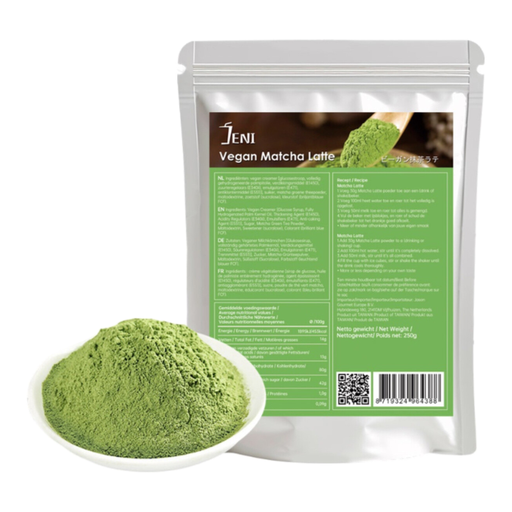
BEST FOR: PRAGMATISTS AND VEGANS
JENI Vegan Matcha Latte - 250g

JENI Vegan Matcha Latte - 250g

Why It's a Match: A straightforward solution for those who follow a vegan diet or are looking for a dairy-free instant tea drink without sacrificing a creamy consistency.

How It Avoids the Pitfall

The product is explicitly labelled as a vegan latte powder. This saves you from hunting for hidden dairy ingredients often found in conventional creamers.

Key Advantage

Purely plant-based formula based on a vegan creamer; good solubility for quick preparation.

Looking for More Options?

We have compiled a complete, up-to-date list of products that fully meet these strict selection criteria.

Frequently Asked Questions

How do I store tea latte powder correctly to prevent clumping?

Proper storage is crucial for its shelf life and quality. Always keep the powder in a tightly sealed, airtight container in a cool, dry, and dark place. Moisture is the main cause of clumping. Once opened, the product should be consumed promptly to preserve its aroma.

Can I prepare tea latte powder with plant-based milk?

Yes, most powders can easily be prepared with plant-based milk alternatives. For an especially creamy result, we recommend using a heated "barista" edition of oat, soy, or almond milk. Some products, such as an explicitly designated vegan latte powder, are specifically designed for preparation with plant-based drinks and dissolve particularly well in them.

What is the difference between Hojicha Latte and Matcha Latte?

Although both come from the green tea plant (Camellia sinensis), they differ fundamentally in taste and production.

  • Matcha latte powder is made from young, unroasted tea leaves that are ground into a fine powder. The flavour is fresh, grassy, and slightly savoury (umami).
  • Hojicha latte is made from roasted green tea leaves and stems. The roasting process causes the tea to lose caffeine and develop a warm, nutty, caramel-like aroma without the astringency of matcha.