
Lieferung heute & morgen

Qualitätsgarantie

Willkommens-Angebote freischalten: KOSTENLOSE Lieferung | Bis zu 80 % RABATT | Kostenlose 30-Tage-JoyPlus-Testphase
App herunterladen
Choosing the right tea set can transform the tea-drinking experience from a daily routine into a mindful ritual. However, the market is flooded with products whose appealing aesthetics often mask functional flaws or inferior materials. As your Joybuy Product Recommendation Officer, I'll help you identify the crucial features to make an informed decision and avoid buyer's remorse.
Before we dive into the details, let's highlight the three most common issues that lead to disappointment. Understanding these will help you search more effectively for quality and functionality.
To avoid these traps, focus on the following objective criteria. They will help you separate the wheat from the chaff and find a set that meets your needs.
The material affects not only the appearance but also heat retention and durability.
The intended use determines the ideal contents of your set.
Here are some recommendations tailored to different user profiles that meet the quality criteria mentioned above.
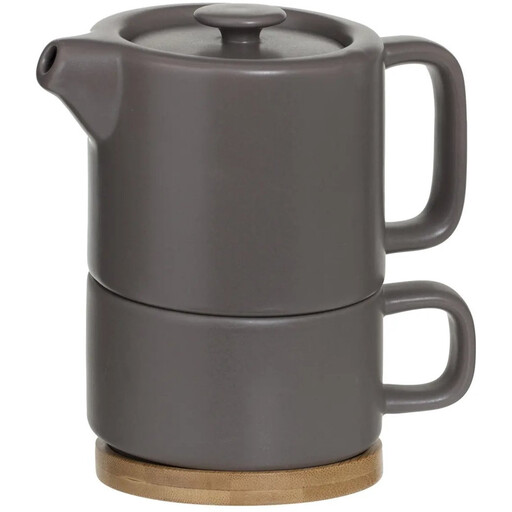
Why this set is a great fit: Designed as a "tea-for-one" set, it's perfect for an individual. The modern, minimalist design fits well in any kitchen and is extremely space-saving thanks to its stackable nature.
It solves the problem of impractical design for individuals by combining a pot, cup, and saucer into one compact, functional unit.
Stackable design on a bamboo saucer; pot and cup are perfectly matched.
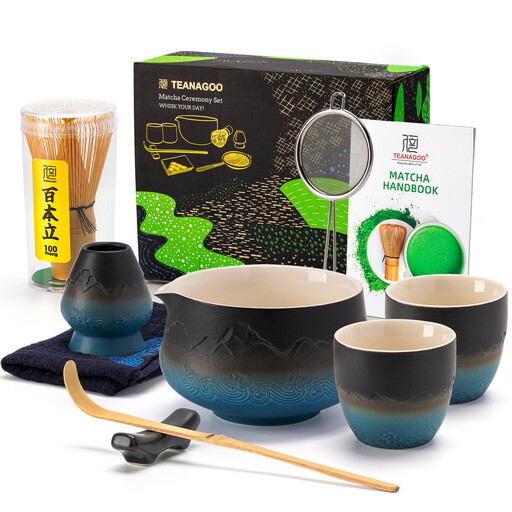
Why this set is a great fit: For anyone who wants to prepare Matcha authentically. This set contains all the necessary tools, from the bowl to the whisk holder, making it ideal for beginners and advanced users alike.
It counters the "misleading contents" trap by being a complete 9-piece kit. The ceramic is also declared lead- and cadmium-free.
Comprehensive set for the Matcha ceremony; includes two cups for immediate enjoyment; handmade bamboo whisk with approx. 76 bristles.
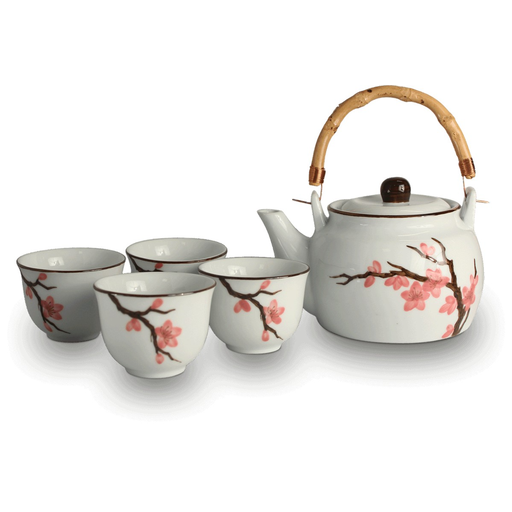
Why this set is a great fit: With an 800 ml teapot and four cups, this set is perfect for hosting friends or family. The traditional Japanese design with a cherry blossom motif is an aesthetic highlight.
It addresses the "design over function" trap by not only being beautiful but also dishwasher-safe, which simplifies cleanup after a social gathering.
Generous 800 ml capacity; complete set for four people; dishwasher-safe for easy care.
We have compiled a complete, up-to-date list of products that fully meet these strict selection criteria and UK/EU safety regulations.
1. How do you properly clean a Japanese ceramic tea set? For many ceramic sets, especially those with a rough texture or hand-painted decorations, hand washing with a mild detergent is recommended. Avoid abrasive sponges to prevent damaging the glaze. A Matcha whisk (Chasen) should only be rinsed under clear, lukewarm water and placed on a whisk holder (Kuse-naoshi) to dry, which helps it retain its shape.
2. Can you put glass tea cups in the microwave? This depends on the type of glass. Cups made of borosilicate glass are generally microwave-safe as they can withstand high temperature fluctuations. This should be avoided with standard soda-lime glass, as it can crack due to thermal stress. Always check the manufacturer's instructions.