Brewing loose-leaf tea requires a tool that securely contains the tea leaves while allowing for optimal flavour infusion. The choice of the right instrument—whether a tea strainer, tea ball, or tea filter—directly impacts the taste experience. The decision depends on the material, shape, pore size, and individual use case. This guide breaks down the technical criteria relevant for selecting a suitable tea accessory.
Buyer's Guide: What to Look for in a Tea Strainer
The functional characteristics of a tea infuser determine its suitability for different tea varieties and user habits. The following parameters are crucial for making an informed decision.
1. Material Analysis
The material is a decisive factor for durability, flavour neutrality, and safety.
- Stainless Steel: A stainless steel tea strainer (e.g., alloys such as 18/8 or 18/10) is a popular choice. The material is rust-proof, robust, and flavour-neutral, so it does not alter the tea's aroma. It is also typically dishwasher-safe, which simplifies cleaning.
- Silicone: Food-grade silicone, certified as BPA-free, offers design flexibility and is also dishwasher-safe. It is heat-resistant and, when used correctly, does not leach harmful substances into the water. The material's flexibility can make filling and emptying easier.
- Paper/Cellulose: Disposable tea filters are usually made from bleached or unbleached cellulose and sometimes abaca fibres. They are designed for single use and have the advantage that no cleaning is required. High-quality filters are flavour-neutral and feature a fine pore structure that retains even the smallest tea particles.
2. Shape and Volume
The shape of the infuser affects how well the tea leaves can expand in the hot water.
- Ball Shape (Tea Ball): The classic tea ball is compact and suitable for single cups. However, its volume is often limited, which can restrict flavour development for large-leaf teas.
- Basket Shape: Cylindrical or basket-shaped strainers offer the tea leaves significantly more room to expand. They are often hung directly in the cup or pot and allow for excellent water circulation.
- Filter Bags: Thanks to their flexible shape and often a gusseted bottom, paper filters provide maximum volume for the tea leaves, which supports excellent flavour development.
3. Mesh Size and Perforation
The size of the openings is crucial for preventing tea particles from escaping into the beverage.
- Fine Mesh: A fine mesh weave in stainless steel or a dense fibre structure in paper filters is essential for loose-leaf tea with a fine cut, such as rooibos or many herbal teas.
- Coarse Perforation: Larger holes are suitable for large-leaf teas like oolong or certain black teas, which produce fewer fine particles.
4. Handling and Cleaning
Practical considerations are relevant for daily use. A tea infuser with a chain and hook can be easily attached to the rim of a cup or pot and removed after steeping. The dishwasher-safe nature of stainless steel and silicone products significantly reduces cleaning effort. Disposable filters offer the most straightforward solution in terms of disposal.
Our Product Recommendations for 2026
Based on the technical criteria mentioned, we present a selection of products with different functionalities.
Bünting Tea Tea Filters Can Size – Aroma-Plus – 100 Pieces
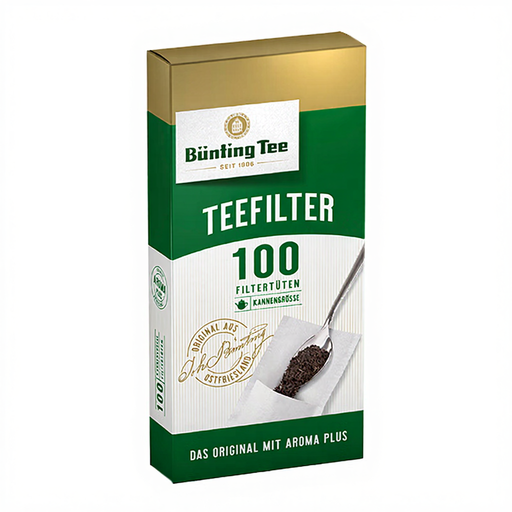
- Why we recommend this product: This tea filter is designed for maximum flavour infusion. The combination of a special flavour-enhancing paper and a gusseted bottom gives the tea leaves plenty of room to expand. The material, a blend of bleached cellulose and abaca fibres, is known for its flavour neutrality. Made in Germany, it adheres to established quality standards.
- Pros:
- No cleaning required thanks to single-use design.
- Gusseted bottom for optimal leaf expansion.
- Fine paper suitable even for very fine teas.
- Convenient flap for easy handling.
- Who it's for: Users who prioritise convenience, hygiene, and unrestricted flavour development, and who frequently brew different types of tea.
OTOTO CrabTea Tea Infuser
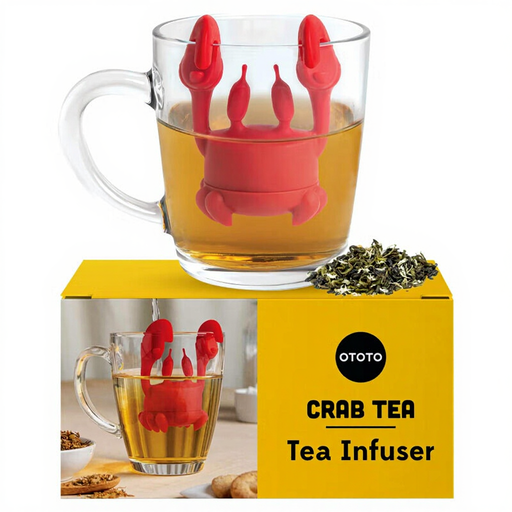
- Why we recommend this product: The CrabTea tea infuser combines a functional design with safe materials. It is made from 100% food-grade, BPA-free silicone. Its flexible claws act as hooks to securely attach the infuser to the cup rim. Being dishwasher-safe makes cleaning hassle-free.
- Pros:
- Reusable and durable.
- Easy to clean in the dishwasher.
- Secure grip on the cup rim via integrated hooks.
- Flexible material makes filling and emptying easy.
- Who it's for: Individuals looking for a reusable, low-maintenance solution for daily use who appreciate a creative design.
THEEZEEF RVS
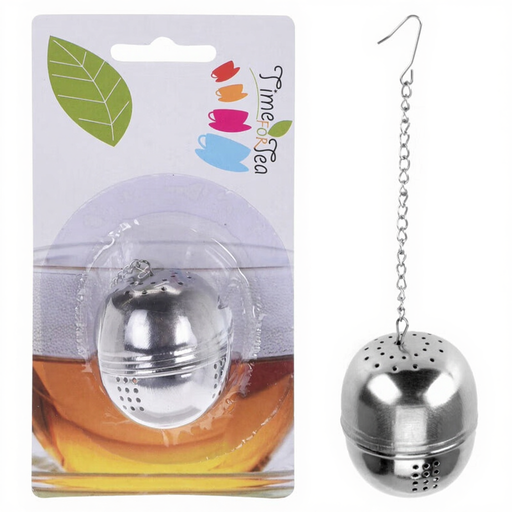
- Why we recommend this product: This classic tea ball is crafted from high-quality stainless steel, ensuring high durability and complete flavour neutrality. The 5 cm diameter ball shape and secure locking mechanism keep the tea leaves reliably inside. A chain with a hook allows for easy attachment to cups or pots.
- Pros:
- Very robust and rust-proof material.
- Guaranteed flavour-neutral.
- Secure clasp prevents tea leaves from escaping.
- Versatile enough for infusing spices in cooking.
- Who it's for: Tea drinkers who prefer a traditional, durable, and resilient solution. Ideal for medium- to large-leaf teas.
More Options in Tea Accessories
If the featured models don't perfectly match your needs or if you are looking for complementary products like teapots, kettles, or storage canisters, you can find a wider selection in our main category for Tea Accessories.
Frequently Asked Questions (FAQ)
1. What is the difference between a tea ball and a tea strainer? A tea ball typically refers to a small, lockable sphere or other compact shape that is hung in a single cup. A tea strainer is a more general term that also includes larger, basket-shaped infusers for cups and pots, which offer the tea leaves more room to unfurl.
2. Which material is best for a tea strainer? The choice of material depends on the user's priorities. Stainless steel offers maximum durability and flavour neutrality. Food-grade silicone is flexible and easy to clean. Paper filters provide ultimate convenience and are ideal for very fine teas. When properly specified, all three materials are food-safe.
3. How do you properly clean a stainless steel tea strainer? For daily cleaning, it's sufficient to remove the tea leaves and rinse the strainer under running water. For stubborn residue (tea patina), the strainer can be soaked in a solution of water and baking soda or vinegar, then cleaned with a soft brush. Most stainless steel strainers are also dishwasher-safe.
Written by: Joybuy Product Recommendation Officer


