A washer-dryer can be a good choice if you don’t have a suitable place to dry your tea towels and need them to dry before you leave, without moving them between appliances. Check the care label, choose a suitable wash programme, and look at the combined load limit and programme duration. If you have enough time and space to air-dry your laundry, a washer-dryer’s higher electricity and water consumption compared with separate appliances may make an option without machine drying preferable, as Germany’s consumer advice centre explains.
Who is this relevant to?
Anyone who wants to wash tea towels hygienically
If you use tea towels when preparing food, match the wash programme to the care label. Germany’s consumer advice centre recommends washing tea towels at a minimum of 60 °C and allowing them to dry thoroughly after use. This doesn’t mean you need to buy a particular type of appliance.
Anyone who has to pack by a set departure time
If your tea towels need to be dry by a particular time, the duration of the programme that’s actually suitable for them and its load limit are key.
Households without a suitable drying space
If you don’t have room for a clothes airer or a second appliance, a washer-dryer can be a practical option, despite its higher consumption compared with separate appliances.
What should you look for when buying?
Washer-dryer
A good choice if: you don’t have a suitable drying space and want to dry your tea towels without moving them between appliances.
The trade-off: For a continuous cycle, the lower drying capacity matters. Germany’s consumer advice centre says washer-dryers use more electricity and water than separate appliances.
Washing machine with air-drying
A good choice if: you can wash your tea towels in good time and let them dry completely in a suitable place before packing.
The trade-off: You’ll need enough time and space to dry them. Don’t pack damp tea towels.
Separate washing machine and tumble dryer
A good choice if: you have room for two appliances and regularly want to machine-dry larger loads of laundry.
The trade-off: You’ll need to move the laundry between appliances. The care label still determines whether the tea towels are suitable for the selected drying cycle.
| What matters |
What to check before buying |
Who is this important to? |
| Suitable cleaning |
Check the care label, wash programme and actual temperature in the model documentation. “Eco 40–60” alone doesn’t guarantee a fixed 60 °C wash. |
If I want to wash used tea towels in line with their care labels, I need a suitable programme. Around 31% of consumers prioritise suitable cleaning. |
| Drying before departure |
Compare the combined load limit with the duration of the programme you actually need. |
If I have a set departure time, I want to know whether the tea towels will be completely dry in time with the planned load. Around 25% of consumers prioritise getting laundry dry on time. |
| Space for the appliance and drying |
Check the appliance dimensions, route into your home, door opening and connections against the specifications for the exact model. |
If there’s no practical room for a clothes airer or a second appliance, I need to consider where the combination appliance will fit and how it will connect. Around 25% of consumers prioritise a lack of drying space. |
| Electricity and water consumption |
Compare the EU label figures for washing and for the full wash-and-dry cycle separately. kWh per 100 cycles is not the same as kWh per cycle. |
If I machine-dry laundry often, I want to factor the extra resource use into my running costs. Around 19% of consumers prioritise electricity and water consumption. |
Common buying mistakes
-
Looking only at the washing capacity
The permitted load for a combined wash-and-dry cycle may be smaller than the washing capacity. You may need to split a larger load or dry it another way.
For a cycle without moving laundry between appliances, check the drying capacity and the load limit for your chosen programme.
If the combined load limit is too low, you may need an extra drying cycle or a suitable place to air-dry your laundry.
-
Confusing a steam refresh with washing used tea towels
An advertised refresh function doesn’t prove that it will properly clean used tea towels.
Choose a wash programme to suit the fabric and how soiled it is. Don’t treat a refresh function as a substitute for washing.
-
Comparing only the washing efficiency rating
The EU label lists figures for washing and for the full wash-and-dry cycle separately. If you dry laundry regularly, consider both types of use.
Compare figures on the same basis, and factor in air-drying if you have enough time and space.
Key brands to consider
AEG
The LWR7S65690 is a freestanding washer-dryer with a 9,0 kg washing capacity and a 5,0 kg drying capacity.
- Two EU efficiency ratings are listed for this model, along with 265 kWh per 100 complete operating cycles.
- The lower drying capacity limits the load you can dry without moving it between appliances. A steam refresh function doesn’t prove that it will clean used tea towels.
Miele
The WT1 WTD160 WCS is listed with an 8 kg washing capacity and a 5 kg drying capacity.
- Miele says this model can wash and dry continuously and has electronic residual-moisture sensing.
- Water cooling during condensation is worth considering when checking water consumption. The stated capacity won’t necessarily apply to every programme.
Bosch
The WNC254A40 washer-dryer is listed with a 10,5 kg washing capacity and a 6 kg capacity for combined operation.
- The separate figures help you plan a load that can be washed and dried without moving it between appliances.
- Advertised dosing and drying functions don’t guarantee a particular level of cleaning for tea towels or tell you how long a suitable programme will take.
Siemens
The iQ700 WN54C2A40 is listed with a 10,5 kg washing capacity and a 6 kg combined capacity.
- Siemens lists automatic dosing and autoDry for this model.
- If you need to wash a load before leaving, check the load limit and running time for your chosen programme separately.
Samsung
The WD90DB7B85GWU2 is listed with a 9 kg washing capacity and a 6 kg drying capacity.
- Separate efficiency ratings are listed for this model: D for combined operation and A for washing.
- The advertised savings from AI Energy Mode are based on tests of a different model. They don’t prove a specific saving for this washer-dryer or for a 60 °C wash.
Washer-dryers at Joybuy
The Joybuy products below are washer-dryers that offer a combined wash-and-dry cycle. For tea towels, the care label, a suitable wash programme, programme duration and drying capacity are also key.
 No image available
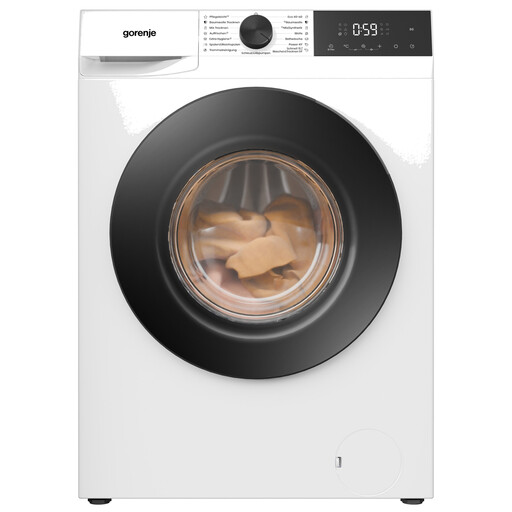
GORENJE WD5G2P1174A2DP2 washer-dryer, 11 kg washing and 7 kg drying, white
When planning a combined cycle, the stated drying capacity and programme load limit are what matter.
Washing: 11 kg. Drying: 7 kg.
View at Joybuy
 No image available
SAMSUNG washer-dryer, 9 kg washing and 6 kg drying
The stated drying capacity helps you plan a load for a combined cycle.
Washing: 9 kg. Drying: 6 kg. Spin speed according to the product name: 1400 U/min.
View at Joybuy
 No image available
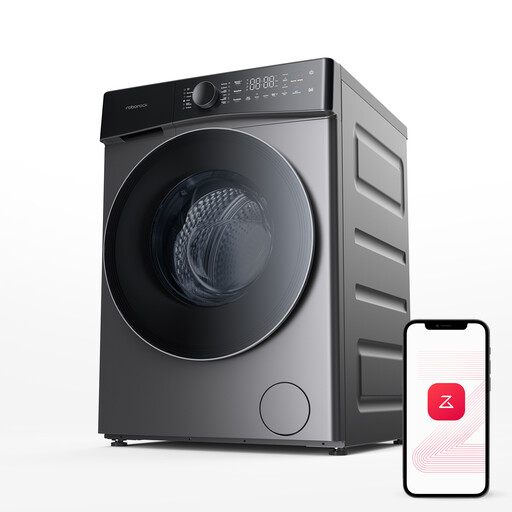
Roborock Zeo Lite washer-dryer, 10 kg washing and 6 kg drying, grey
For a combined cycle, the stated drying capacity is the relevant upper limit, not the washing capacity.
Washing: 10 kg. Drying: 6 kg.
View at Joybuy
 No image available
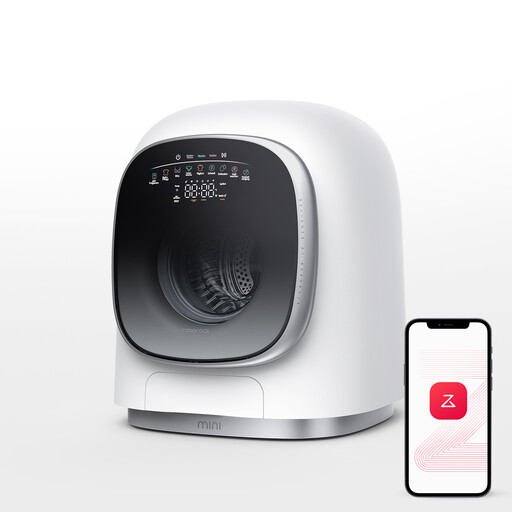
Roborock Zeo Mini washer-dryer, 1 kg washing and 0,5 kg drying
The stated capacities are for a small load. Check whether they’re enough for the number of tea towels you need to wash.
Washing: 1 kg. Drying: 0,5 kg. According to the product name: more than 20 wash and dry programmes.
View at Joybuy
 No image available
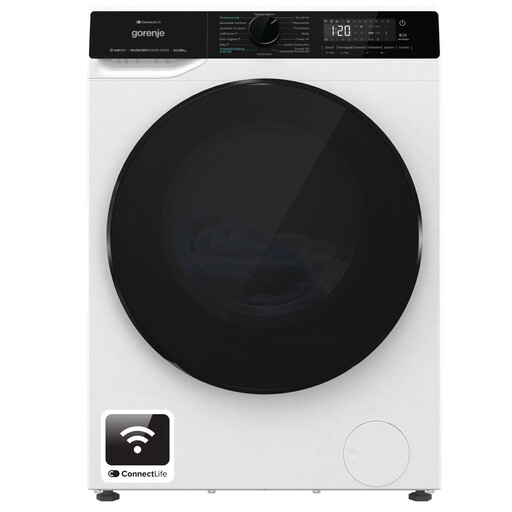
Gorenje WD2PA1X64ADW DE washer-dryer, Connect Life
The product name lists a combined wash-and-dry option called “Wash & Dry 60'”. Before you leave, check the full programme description and running time.
According to the product name: 10,5 kg, 1400 U/min and 16 programmes.
View at Joybuy
Frequently asked questions
Does “Eco 40–60” guarantee a wash at 60 °C?
No. You can’t tell from the programme name alone. The European Commission describes “Eco 40–60” as being for normally soiled cotton items with the relevant care label. If you want to follow Germany’s consumer advice centre recommendation to wash tea towels at a minimum of 60 °C, check the care label and the actual programme temperature on the specific appliance.
Can I dry everything from a 9 kg wash without doing anything?
No. The washing capacity alone doesn’t tell you that. For example, the AEG LWR7S65690 is listed with a 9,0 kg washing capacity and a 5,0 kg drying capacity. You should also check the load limit for your chosen programme.
What should I check before installation and packing?
Check the dimensions, route into your home and connections against the instructions for the specific model. Wash tea towels according to their care labels, and only pack them once they’re completely dry. Germany’s consumer advice centre recommends letting them dry thoroughly after use and washing them at a minimum of 60 °C.
Which figures are useful when comparing consumption?
For washer-dryers, the EU label distinguishes between the wash cycle and the full wash-and-dry cycle, and gives electricity consumption per 100 cycles. Compare figures on the same basis. Germany’s consumer advice centre notes that washer-dryers use more electricity and water than separate appliances.


