
Lieferung heute & morgen

Qualitätsgarantie

Willkommens-Angebote freischalten: KOSTENLOSE Lieferung | Bis zu 80 % RABATT | Kostenlose 30-Tage-JoyPlus-Testphase
App herunterladen
Choosing the right teapot is crucial for the aroma and ritual of tea preparation. However, the market is saturated with models whose design often promises more than their function delivers. Many buyers only discover after a few weeks that the spout drips, the lid wobbles, or the material taints the tea's flavour. These flaws are not just annoying; they often lead to an otherwise beautiful product being left unused in the cupboard.
As your Joybuy Product Recommendation Officer, I'm here to help you navigate these common pitfalls. We will focus on the objective criteria that separate a great teapot from an impractical one.
The 3 most common pitfalls when buying a teapot:
To avoid buyer's remorse, you should check three core aspects before making a decision. These determine the functionality, durability, and suitability for your personal tea habits.
The material affects both heat retention and flavour neutrality. Each has specific advantages and disadvantages.
A teapot with an infuser is essential for preparing loose-leaf tea. The quality of the infuser is critical:
The capacity should match your consumption. For solo enjoyment, a small teapot of 0.4 to 0.7 litres is ideal. For families or when hosting guests, a 1L teapot or larger is the more practical choice. For special requirements, there are portable solutions like a travel kettle, which often includes a tea-brewing function, making it a flexible option for the office or holidays.
Here are three models tailored to different needs that specifically avoid the pitfalls mentioned.
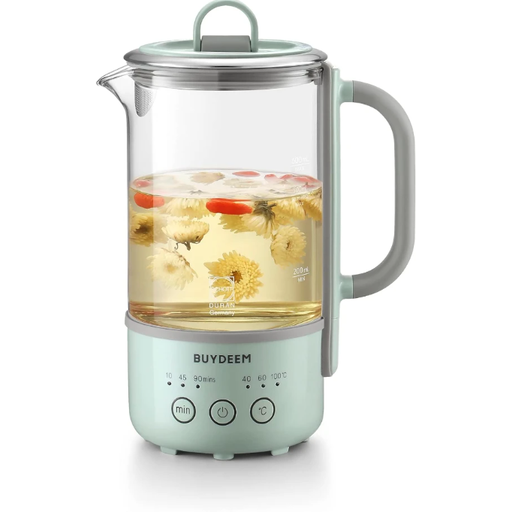
Why This Fits Their Persona: Perfect for commuters, students, or travellers who don't want to compromise on high-quality brewed tea at the office or in a hotel. This device combines the function of a kettle with that of a tea maker.
Solves the problem of mismatched size and function for on-the-go use. As a travel kettle with a tea function, it is precisely designed for mobile use and avoids compromises.
Combination of Schott Duran glass and stainless steel for flavour neutrality. Offers an automatic keep-warm function and boil-dry protection for safe use.
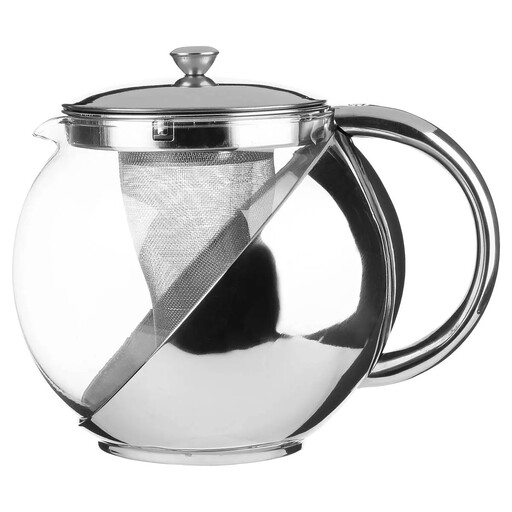
Why This Fits Their Persona: Ideal for tea lovers who regularly host guests and value modern, functional aesthetics. Its large volume and transparent design make it the centrepiece of any tea gathering.
The glass teapot is flavour-neutral, preventing the absorption of foreign aromas. The sturdy stainless steel handle and lid prevent common design flaws like wobbling or overheating.
Generous 1.1-litre capacity and an integrated, fine-mesh stainless steel infuser suitable for all loose-leaf teas. A practical, versatile all-rounder.
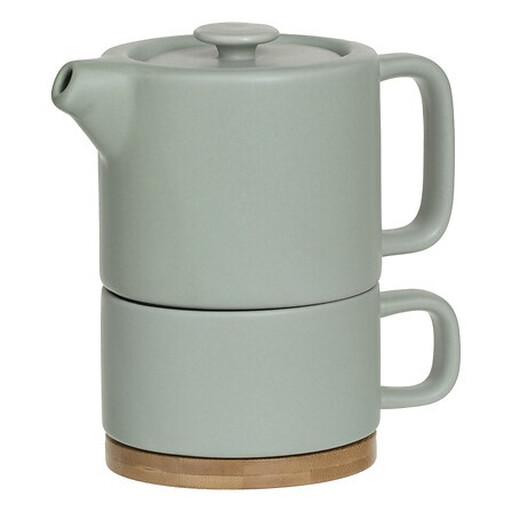
Why This Fits Their Persona: For mindful tea enjoyment for one. This set, featuring a small teapot and a matching stoneware cup, supports a personal tea ritual with its minimalist design and tactile feel.
The size is perfectly tailored for one person, avoiding the waste of tea and water. The high-quality stoneware (ceramic teapot) retains heat well for a single cup.
A complete, aesthetically coordinated set including a bamboo coaster. It encourages a mindful tea preparation ritual and serves as a stylish accessory for the kitchen or desk.
We have compiled a complete, up-to-date list of products that fully meet these strict selection criteria and all relevant safety regulations.
For glass, stainless steel, and glazed ceramic pots, hot water and a soft brush are usually sufficient. For stubborn deposits (tannin stains), a solution of water and vinegar or citric acid can help. For unglazed clay or cast iron pots, only clear, hot water should be used to avoid damaging the patina.
Cast iron offers the longest heat retention, followed by thick-walled ceramic or stoneware. A double-walled teapot made of glass or stainless steel is also a very effective option, with the added benefit that its outer surface remains cool.
For most users, this isn't necessary. A flavour-neutral pot made of glass, glazed ceramic, or stainless steel is universally applicable. Only connoisseurs of very fine, subtle green or white teas sometimes opt for a separate pot to completely rule out any flavour transfer. Traditionally, special clay pots (Yixing) are used for certain teas like Pu-erh, which develop their own patina over time.