If you’re looking at sugar levels when choosing savoury crackers for teatime, start by comparing the ‘of which sugars’ figures per 100 g. Of the five varieties listed by REWE, XOX Cracker Salz has the lowest figure at 5.4 g, compared with 7.1 g for Tuc Original, 8.5 g for Ritz and 10 g and 11 g for the two Wasa varieties reviewed. This doesn’t mean they can legally be described as ‘reduced sugar’. Portion size, toppings, salt, ingredients and allergen information also matter when making your choice.
Who is this comparison for?
People comparing sugar levels
You’re planning to serve savoury crackers at teatime and want to compare the sugar per 100 g, rather than assuming that a savoury taste means a low sugar content. If you’re deciding on a portion size, take that into account too.
People serving crackers with toppings
You’re serving crackers plain, with a dip or with a spread. You want to plan how many crackers to serve and take the nutritional information for the topping into account separately.
People checking ingredients and allergens
You need to check the ingredients list and information about allergens and possible traces for each variety. The information on the specific pack is more important than any assumption about the brand or the term ‘salt crackers’.
What should you look for when buying?
First, compare the crackers using the same reference amount: 100 g. Then decide how you’ll serve them and check the ingredients and allergen information for your chosen variety.
| What to consider |
What to check |
Who it matters to |
| Sugar level |
Compare the ‘of which sugars’ figures per 100 g for similar crackers. Also check what a claim such as ‘reduced sugar’ is based on. |
If a lower sugar level in the crackers matters more to me than how I’ll serve them with toppings, I want a consistent basis for comparison. Around 46% of consumers put this sugar figure at the top of their purchasing priorities. |
| Portion and topping |
Check the stated portion size and consider the nutritional values of dips or spreads separately. |
When serving crackers with a dip or topping, I want to estimate how much I’m serving without attributing the topping’s ingredients to the cracker. This planning comes first for around 27% of consumers. |
| Ingredients, allergens and salt |
Read the ingredients list and the allergen and ‘may contain’ information on the current pack. If needed, compare salt per 100 g too. |
If I need to avoid certain ingredients or plan to serve the crackers with salty toppings, sugar isn’t the only thing that matters to me. Around 27% of consumers prioritise this information when buying. |
What can make comparisons difficult?
-
Treating ‘less sugar’ and ‘reduced sugar’ as the same thing
A lower sugar figure than that of one other cracker doesn’t, by itself, justify the claim ‘reduced sugar’. Lebensmittelklarheit explains that this claim requires a comparison with a similar food and at least 30% less sugar.
Use the per-100-g figure to compare products. If a cracker is specifically labelled ‘reduced sugar’, also check what it’s being compared with.
-
Looking only for the word ‘sugar’ in the ingredients list
Other sweetening ingredients can also contribute to the stated sugar figure, as the Verbraucherzentrale explains. The ingredients list alone won’t tell you the total amount of ‘of which sugars’.
Read the ingredients list alongside the nutritional information. To compare crackers, use the sugar figure per 100 g.
-
Leaving toppings out of your teatime comparison
The nutritional information for a cracker doesn’t also describe the spread, cheese or dip you serve with it.
Plan the amount of crackers and toppings separately. Where possible, compare different types of crackers using similar serving amounts.
-
Overlooking allergens in salt crackers
The varieties listed by REWE differ in their ingredients and possible traces, including wheat, egg, milk, soya and sesame. A lower sugar figure won’t answer questions about these.
If you have an allergy, check the information on each specific pack, even if you’re already familiar with another variety from the same brand.
Brands and varieties to consider
The information below relates to specific cracker varieties listed by REWE, not to every product from each brand.
XOX
XOX Cracker Salz is a savoury variety to consider when comparing sugar levels in teatime crackers.
- REWE lists 5.4 g of sugar per 100 g for XOX Cracker Salz.
- REWE also lists 2.6 g of salt per 100 g, with sugar and glucose-fructose syrup in the ingredients. It may contain traces of milk and sesame.
Tuc
Tuc Original is a salted cracker variety to enjoy on its own, with dips or with toppings.
- For the 100 g pack listed by REWE, the figures are 7.1 g of sugar per 100 g and 2.1 g per stated 30 g portion.
- The ingredients include wheat, barley malt extract and egg; it may contain soya and milk. Don’t assume the information applies to other Tuc varieties.
Ritz
Ritz crackers are a salted variety for snacks and small bites.
- The 200 g pack listed by REWE contains 8.5 g of sugar and 1.3 g of salt per 100 g.
- The ingredients list includes sugar and glucose-fructose syrup; it may contain milk.
Wasa
The Sea Salt cracker varieties reviewed, made with olive oil and sea salt, offer a different recipe for teatime.
- REWE lists 10 g of sugar per 100 g for Wasa Delicate Crackers Sea Salt and 11 g for Wasa Tasty Snacks Sea Salt.
- Both varieties listed contain milk ingredients. Check the allergen and ‘may contain’ information on each pack.
Crackers for teatime at Joybuy
This selection includes salted Ritz and TUC crackers to enjoy on their own or serve with dips and toppings. If you’re choosing mainly by sugar level, compare the nutritional information on the specific pack. Figures for a different pack size or variety may not apply.
 No image available
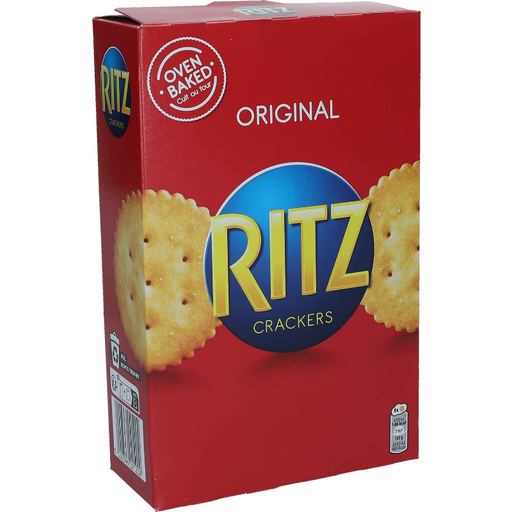
Ritz Original Salted Crackers, 200 g
An option if you’d like to serve salted crackers with a dip or topping. Compare the sugar per 100 g on the specific pack when making your choice, and consider the topping separately.
View at Joybuy
 No image available
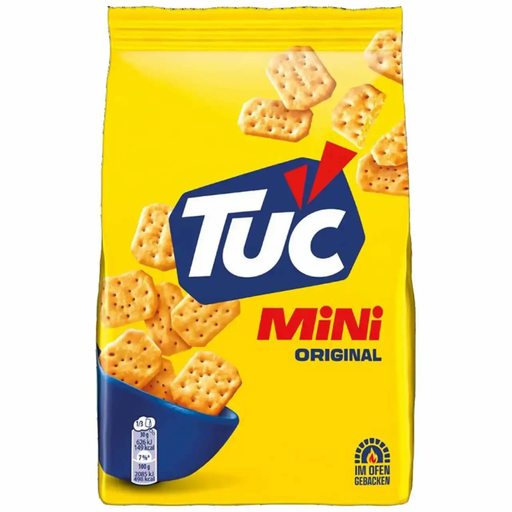
TUC Mini Original Salted Crackers, 120 g
The mini variety is worth considering if you’d like to serve smaller crackers with dips. Check the information on the specific pack to plan your portion; the sugar per 100 g alone doesn’t determine portion size.
View at Joybuy
 No image available
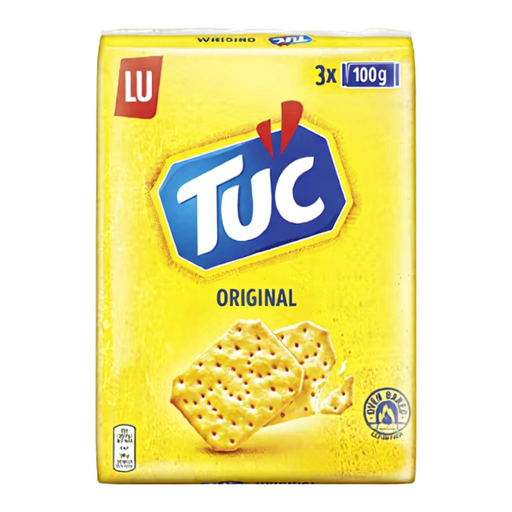
TUC Original Salted Crackers, 3 × 100 g
The three 100 g packs are handy for planning several servings with dips or toppings. Check the sugar level on the specific 3 × 100 g pack, rather than assuming the figure for the separately listed Tuc Original 100 g applies.
View at Joybuy
Frequently asked questions
Does a lower sugar figure automatically mean ‘reduced sugar’?
No. Comparing two nutritional tables alone isn’t enough. Lebensmittelklarheit explains that the claim ‘reduced sugar’ requires at least 30% less sugar than a similar food. So if you see this claim, check what the product is being compared with.
Where can I find the sugar level of a cracker?
Look in the nutritional information under ‘Carbohydrate, of which sugars’. To compare several crackers, use the figure per 100 g for each one. A stated portion size can also be useful when planning how much to serve.
Why isn’t the ingredients list enough to compare sugar?
The ingredients list shows what’s in the product, but it doesn’t give the total amount of ‘of which sugars’. The Verbraucherzentrale points out that sweetening ingredients listed under other names can contribute too, so read the ingredients list alongside the nutritional information.
What should I check if I have an allergy?
Before eating, check the ingredients and the allergen and ‘may contain’ information on the specific pack. The cracker varieties listed by REWE differ in their ingredients and possible traces; information for another variety is no substitute for checking the pack.


