
Lieferung heute & morgen

Qualitätsgarantie

Willkommens-Angebote freischalten: KOSTENLOSE Lieferung | Bis zu 80 % RABATT | Kostenlose 30-Tage-JoyPlus-Testphase
App herunterladen
The search for the right technical jacket can quickly become overwhelming. The market is filled with terms like hardshell, water column, and breathability. Whether for a weekend hike, the daily commute, or a demanding mountain tour, the requirements vary, but the goal is always the same: to stay dry and comfortable.
This guide is here to help you navigate the options. We'll explain the most important technical features and present a selection of models for different uses, providing you with a clear and objective basis for your decision.
To find the right jacket, it's helpful to understand three key aspects. These criteria determine how well a jacket will perform in different weather conditions and during various activities.
A good waterproof outdoor jacket not only protects you from rain but also allows sweat to escape from the inside as water vapour. Two key metrics are crucial here:
A breathable rain jacket is therefore essential for active individuals to avoid that clammy feeling.
Technical jackets can be broadly divided into three categories, each optimised for different conditions:
Often, it's the small details that make all the difference. Look out for the following features:
Based on the criteria above, we've curated a selection of jackets that stand out for their specific features and intended uses.
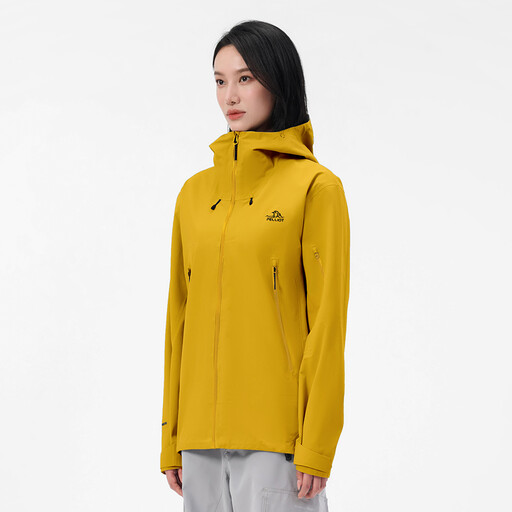
Why It Stands Out This jacket is designed as an all-weather shell for extreme environments. The Pro version features a lighter, more elastic fabric with enhanced waterproofing and breathability. Its most outstanding feature is the integrated RECCO avalanche rescue reflector, which increases safety in the backcountry.
Advantages
Who It's For Outdoor enthusiasts looking for a technically advanced trekking jacket for demanding mountain tours who also prioritise a high level of safety.
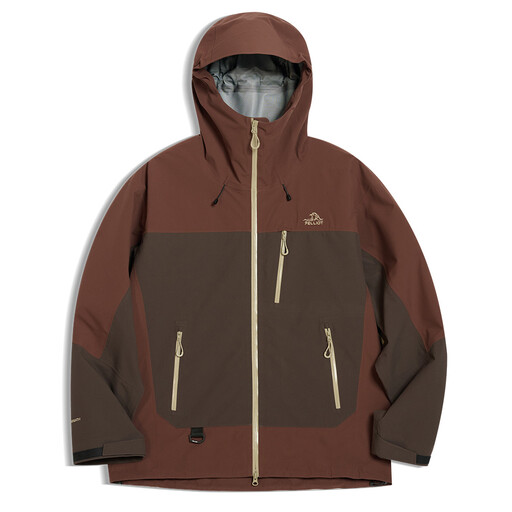
Why It Stands Out This hardshell jacket combines reliable weather protection with a modern, urban style. Its storm-proof waterproofing can withstand prolonged heavy rain, while its high breathability ensures comfort on the move. The colour-block design sets it apart from classic outdoor jackets.
Advantages
Who It's For For those who want a versatile and windproof hiking jacket for both trails and daily life, blending functionality with a fashionable look.

Why It Stands Out This long down jacket from ASICS is uncompromisingly designed for thermal insulation on cold winter days. The high-quality down fill offers an excellent warmth-to-weight ratio, while the wind- and water-resistant outer material protects against light precipitation and cold wind. The long cut provides extra protection for the hips and thighs.
Advantages
Who It's For For anyone looking for a very warm winter jacket for everyday use, walks in sub-zero temperatures, or for the commute to the gym, who prioritises maximum thermal comfort.
The models featured here cover a broad spectrum, but the selection is even wider. There are especially interesting alternatives for women seeking a stylish yet functional jacket for everyday wear and transitional seasons.
Discover our curated selection of designer puffer jackets for women that combine elegance with weather protection.
A hardshell jacket is a weatherproof shell that is completely windproof and waterproof. It serves as the outermost layer and is durable but less breathable and flexible. A softshell jacket, on the other hand, is primarily designed for breathability and freedom of movement. It is highly wind- and water-resistant but not suitable for prolonged rain.
Always follow the manufacturer's care instructions. As a rule, technical jackets should be washed on a gentle cycle at a low temperature (30-40°C) using a special detergent for technical apparel. Close all zips and hook-and-loop fasteners. To reactivate the durable water repellent (DWR) finish, the jacket can be tumble-dried on low heat after washing or ironed (with a cloth placed in between).
The water column is a measure of a fabric's waterproofness. It indicates how high a column of water could be placed on the fabric before water penetrates. For example, a rating of 10,000 mm means the material can withstand the pressure of a 10-metre column of water. For everyday use and light hikes, lower ratings are often sufficient, but for trekking with a heavy backpack or in heavy rain, higher ratings from 10,000 mm are recommended.