
Lieferung heute & morgen

Qualitätsgarantie

Willkommens-Angebote freischalten: KOSTENLOSE Lieferung | Bis zu 80 % RABATT | Kostenlose 30-Tage-JoyPlus-Testphase
App herunterladen
A good technical jacket is a versatile companion—whether on your commute to work, a weekend hike, or a demanding trekking tour. But the market is confusing and saturated with marketing promises. Many buyers invest in expensive models with features they'll never use, or end up with jackets that fail at the first sign of rain. Before you make a decision, it's crucial to understand the most common pitfalls to find a jacket that truly fits your needs.
The selection is vast, but not every jacket advertised as "weatherproof" delivers on its promise. Pay attention to these three points to avoid a bad investment.
To find the right men's technical jacket or women's outdoor jacket, you should understand and check three core aspects.
The water column, specified in millimetres (mm), is the key metric for a jacket's waterproofness. It indicates how much water pressure the material can withstand before moisture penetrates.
Always ensure the product description explicitly mentions taped seams.
Breathability is usually indicated by the MVTR (Moisture Vapour Transmission Rate) value in g/m?/24h. It describes how many grams of water vapour can escape per square metre of fabric in 24 hours.
For optimal body climate, the most effective solution is a combination of a breathable membrane and mechanical ventilation, such as underarm zippers.
Here are some recommendations tailored to different use cases.
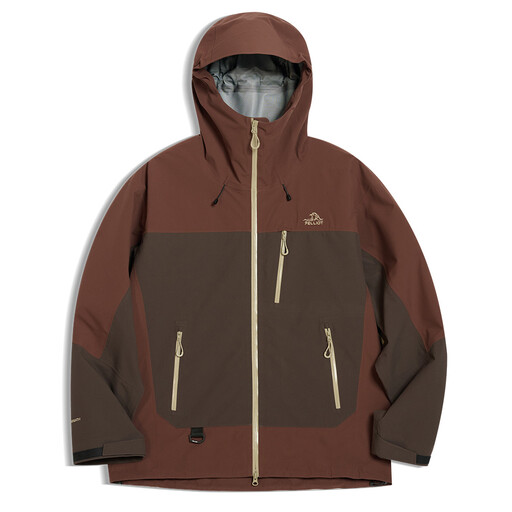
Why This Fits Their Persona: Ideal for individuals who want a single, reliable jacket for the daily commute, city strolls, and spontaneous trips into nature. The design is modern enough for the city, while its functionality is built for typical British weather.
This jacket provides stormproof, waterproof protection without driving up the price with superfluous alpine features. It focuses on the core functions: waterproofness, wind protection, and breathability.
Abrasion-resistant material for durability and a balanced ratio of weather protection to everyday usability. The colour-blocking design stands out from monotonous outdoor jackets.
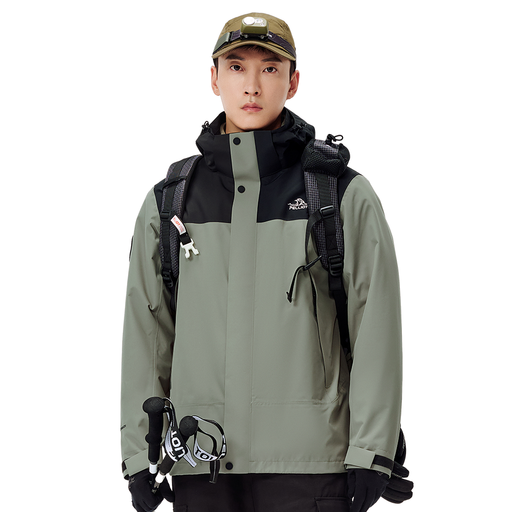
Why This Fits Their Persona: Perfect for pragmatic users looking for a single solution for the entire year. From cool autumn days and wet, cold winters to mild spring temperatures—this system adapts.
Instead of buying a separate rain jacket and winter coat, this model offers an economical and space-saving alternative. It delivers true, adaptable functionality for different temperature ranges.
The intelligent 3-in-1 jacket system with a waterproof outer shell and a warm inner lining offers maximum flexibility. The inner jacket is finished with an anti-static treatment.
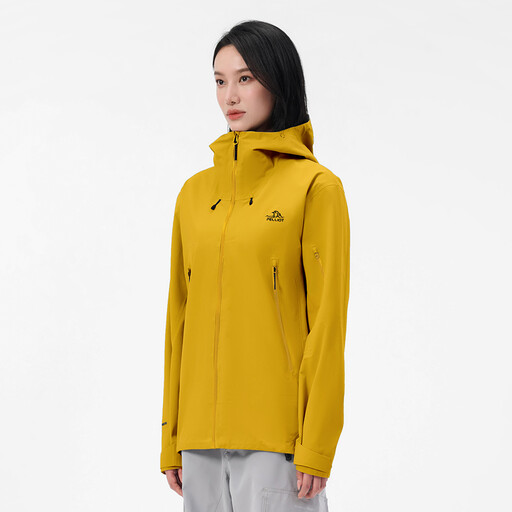
Why This Fits Their Persona: Designed for demanding tours in the mountains. Users who value low weight, high performance, and safety features will find the right gear for their adventures here.
This jacket delivers the professional features that make a real difference in challenging terrain. It bypasses the "breathability myth" by including long pit zips for effective temperature regulation.
Equipped with a RECCO avalanche rescue reflector for increased safety in the backcountry. The lighter, more flexible material and extended ventilation options provide comfort during high-exertion activities.
We have compiled a complete, up-to-date list of products that fully meet these strict selection criteria and UK safety regulations.
Proper care is crucial for the longevity of your jacket. Wash it only when necessary using a special detergent for technical apparel on a gentle cycle. Do not use fabric softener, as it clogs the pores of the membrane. To reactivate the durable water-repellent (DWR) coating, you can put the jacket in the dryer on low heat or iron it after washing (follow the manufacturer's instructions). If the beading effect diminishes, the DWR finish must be reapplied with a suitable spray.
The RET (Resistance to Evaporative Heat Transfer) value is an alternative method for measuring breathability. Unlike the MVTR value, which measures how much water vapour escapes, the RET value measures the resistance the fabric presents to water vapour. For RET, the lower the value, the more breathable the material.
For most climates in the UK, a 3-in-1 jacket is a very flexible solution. In spring and autumn, the outer jacket serves as rain protection. On cool, dry days, the inner jacket can be worn solo. In winter, the combination of both jackets provides good protection against cold and wet conditions. However, in extremely low temperatures, an additional insulation layer (e.g., a down vest) may be necessary. For average use, from daily life to moderate hikes, it is an excellent and economical choice.