
Lieferung heute & morgen

Qualitätsgarantie

Willkommens-Angebote freischalten: KOSTENLOSE Lieferung | Bis zu 80 % RABATT | Kostenlose 30-Tage-JoyPlus-Testphase
App herunterladen
A variable temperature kettle is more than just a kitchen appliance—it's a precision tool for tea and coffee lovers, an aid for parents preparing baby formula, and a practical everyday helper. But the market is flooded with models whose marketing promises often hide more than they reveal. Before you make a decision, it's crucial to understand the common pitfalls that can lead to an unsatisfying purchase.
As your Joybuy Product Recommendation Officer, I'll help you navigate the information overload and identify the features that truly matter.
Many devices advertise features that don't live up to their promises in practice. Pay close attention to these three points to avoid disappointment:
To find the right kettle for your needs, focus on these objective parameters instead of marketing buzzwords.
The choice of material has a direct impact on the durability, safety, and taste of the water.
Functionality determines daily usability.
Instead of a one-size-fits-all recommendation, we have selected models tailored to specific user profiles.
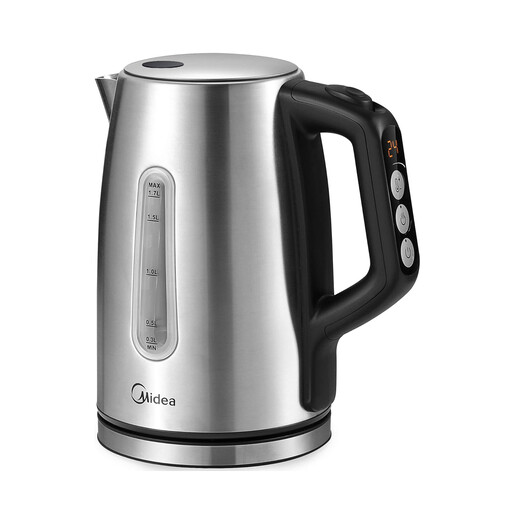
Why it's a match: This appliance is aimed at users for whom the exact water temperature is crucial for enjoyment. The six preset levels cover the entire spectrum, from baby formula to black tea.
It offers true, precise temperature selection, thus bypassing the trap of inaccurate sensors. The stainless steel interior ensures no unwanted plastic comes into contact with the water.
Six preset temperature levels (40-100°C) and a 60-minute keep-warm function for maximum flexibility.
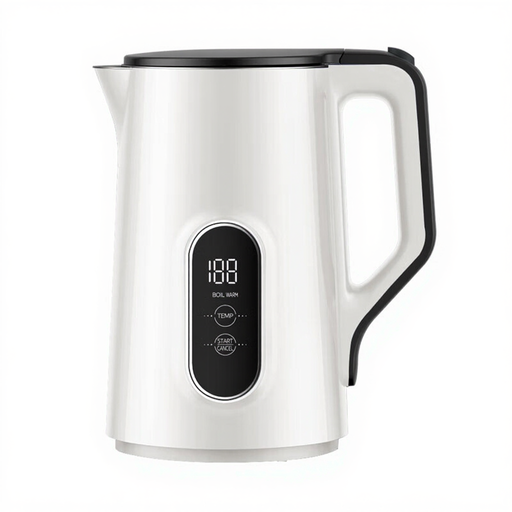
Why it's a match: Safety is the top priority here. The double-wall construction ensures the outer surface stays cool to the touch, preventing burns—a critical feature for households with children.
The double-wall insulation directly addresses the pitfall of hot exteriors. All parts in contact with water are made of 304 stainless steel or BPA-free plastic, ruling out misleading material claims.
Effective scald protection through double-wall construction and comprehensive safety certifications (Strix thermostat, BPA-free).
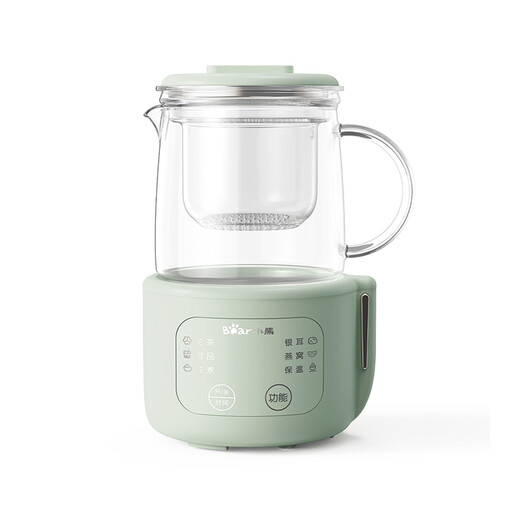
Why it's a match: With a 0.4-litre capacity and a compact, modern design, this glass kettle is ideal for an office desk or a small kitchen. It's designed for personal use, blending functionality with aesthetics.
As a pure borosilicate glass kettle, it bypasses any concerns about plastics in contact with water. Its specialised functions are designed for real utility, not marketing hype.
Compact 0.4-litre design, multi-functional programs, and a high-quality glass body for pure taste.
We have compiled a complete, up-to-date list of products that fully meet these strict selection criteria and rigorous safety standards.
To descale, fill the kettle with a mixture of water and vinegar essence (3:1 ratio) or a commercial descaling solution. Let the solution sit without turning the appliance on, as heat can damage the seals. After about an hour, empty the kettle and rinse it thoroughly several times with clean water.
Both materials are excellent choices. Stainless steel is more robust and resistant to impact, making it ideal for a busy family household. Glass is taste-neutral and allows for visual monitoring but is more fragile. The decision depends on your personal priorities regarding durability and aesthetics.
Accuracy can vary. High-quality models, often equipped with a Strix thermostat, typically have a deviation of only ±2-3°C. On budget-friendly models, the deviation can be larger. If precision is critical for you, look for product descriptions that explicitly mention the accuracy or the type of thermostat used.