
Lieferung heute & morgen

Qualitätsgarantie

Willkommens-Angebote freischalten: KOSTENLOSE Lieferung | Bis zu 80 % RABATT | Kostenlose 30-Tage-JoyPlus-Testphase
App herunterladen
A new smartphone is a significant investment. Yet, a single careless moment can lead to costly screen damage. A high-quality tempered glass protector is therefore not an option, but a necessity. However, the market is flooded with products making grandiose claims that often fail to deliver in practice. As your Joybuy Product Recommendation Officer, I'll help you avoid the common pitfalls and make an informed decision.
Many users invest in a screen protector only to be disappointed shortly after. This is often due to exaggerated marketing claims that don't align with reality. Watch out for these three common pitfalls:
To avoid these problems, you should check three core parameters before buying. These define the quality and daily usability of a screen protector far better than pure marketing terms.
The most important feature is the fit. A good screen protector must not only fit the display perfectly but also be compatible with the most common phone cases. Specifically look for the "Case-Friendly" feature. These models are cut slightly narrower so that the edges of a case cannot lift the glass. This ensures a durable bond and prevents dust from collecting under the edges.
As mentioned, the 9H hardness rating is a measure of scratch resistance. High-quality tempered glass with this rating reliably protects your display from scratches caused by coins, keys, or other sharp objects in your pocket. An additional oleophobic (oil-repellent) coating ensures that fingerprints and smudges are easier to remove and that the screen remains smooth to the touch.
A bubble-free installation is no accident, but the result of a well-designed installation method. An alignment frame that clips onto the smartphone guides the tempered glass precisely into the correct position. Combined with the included cleaning wipes and dust removal stickers, the application becomes straightforward even for inexperienced users, and the result is professional.
Based on these criteria, we have curated a selection of products tailored to specific needs.
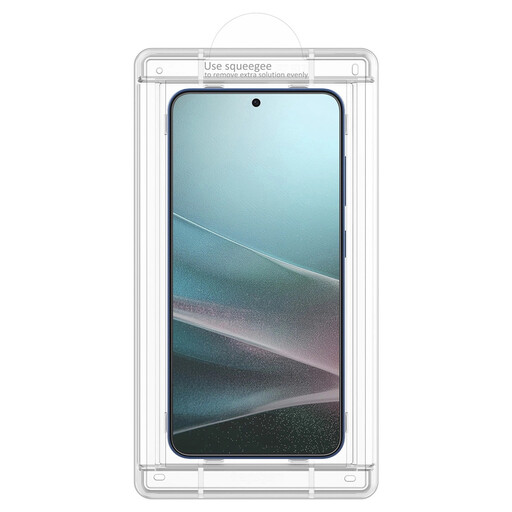
Why This Fits Their Persona: Ideal for new Samsung Galaxy S25 owners who value a flawless look and a simple yet precise installation to protect their investment from day one.
The EZ Fit auto-alignment technology with an installation frame solves the problem of a flawed, bubble-prone application and ensures perfect alignment.
9H hardness rating for reliable scratch protection; high transparency and touch sensitivity are fully maintained.
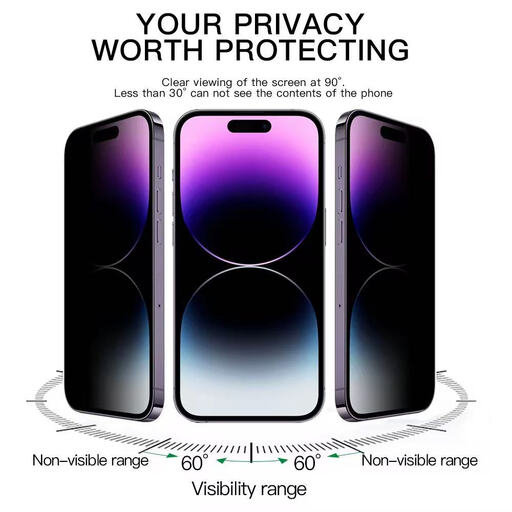
Why This Fits Their Persona: Perfect for users who frequently work on public transport or in an office and need to protect sensitive information on their iPhone 16 Pro from prying eyes.
This product focuses on a clear additional feature (privacy screen) instead of vague promises. The included installation tool also ensures a precise application.
Effective 360-degree privacy screen function; oleophobic coating to resist fingerprints and smudges.
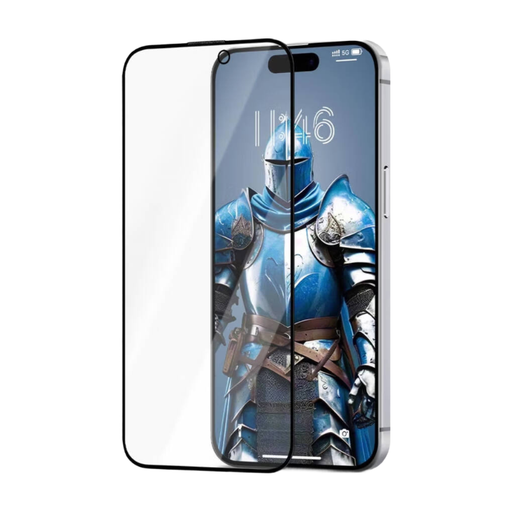
Why This Fits Their Persona: Suitable for iPhone users who spend many hours a day looking at their screen and want to reduce eye strain by filtering blue light.
Instead of just advertising hardness, this glass offers a concrete, tangible benefit: anti-blue light technology to reduce eye fatigue.
Integrated blue light filter; made from Corning glass with reinforced edges for enhanced durability.
We have compiled a complete, up-to-date list of products that fully meet these strict selection criteria and safety standards.
The 9H hardness refers to the pencil hardness scale, not the Mohs scale of mineral hardness. A 9H pencil is the hardest and cannot scratch softer surfaces. A tempered glass protector with 9H hardness is therefore highly resistant to scratches from everyday objects like keys, coins, or sand. However, it offers no guaranteed protection against the screen shattering from a hard impact or fall.
It is not recommended. The adhesive layer of a screen protector is designed for a single application. When you peel it off and reapply it, dust particles can get trapped, the adhesive strength weakens, and you will most likely create air bubbles that cannot be removed. Careful preparation and using an alignment frame are crucial for success on the first try.
Yes, a privacy screen protector can slightly reduce the perceived brightness of the display. This is due to the technology that filters light so the screen is only clearly visible when viewed head-on. You will typically need to set the screen brightness slightly higher than usual, which can lead to a minor increase in battery consumption. However, for users who prioritize privacy, this is usually an acceptable trade-off.