
Lieferung heute & morgen

Qualitätsgarantie

Willkommens-Angebote freischalten: KOSTENLOSE Lieferung | Bis zu 80 % RABATT | Kostenlose 30-Tage-JoyPlus-Testphase
App herunterladen
A new smartphone is a significant investment. The display is its most sensitive and expensive component. A drop or careless contact with keys in your pocket can quickly lead to costly repairs. A high-quality tempered glass screen protector is therefore not an option, but a necessity to preserve the value and functionality of your device.
However, the screen protector market is overwhelming and full of marketing promises that often fail to deliver. Many users invest in a product only to find that it forms bubbles, the edges lift, or touchscreen responsiveness is compromised. This guide will help you recognise the typical pitfalls and make an informed decision.
To avoid buyer's remorse, it's important to know the most common problems that occur with low-quality screen protectors.
Instead of being swayed by marketing terms, you should focus on objective, technical features that determine the quality and longevity of a screen protector.
While 9H glass is a good standard for scratch resistance, the real difference in quality lies in the material used. Simple screen protectors are often made of soda-lime glass. Higher-quality versions use aluminosilicate glass (known from brands like Corning), which offers greater resistance to drops and fractures at the same thickness. This material provides better protection against the kind of damage that actually leads to expensive repairs.
The best screen protector is useless if it cannot be applied correctly. Two aspects are crucial here:
For specific needs, there are screen protectors with additional functions:
Based on these objective criteria, we have compiled a few products for different user groups.
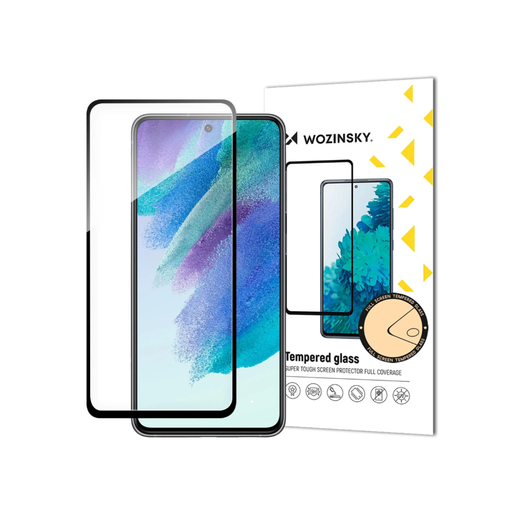
Why This Fits Their Persona: This screen protector focuses on the core functions: reliable scratch protection and a secure bond. It's a pragmatic choice for users who want solid basic protection without costly extra features.
The "Full Glue" design ensures that the adhesive is distributed across the entire surface. This prevents the edge lifting and bubble formation that often occur with protectors that are only glued at the edges.
Offers a solid 9H hardness for everyday scratch protection and full adhesion for a durable, bubble-free bond.
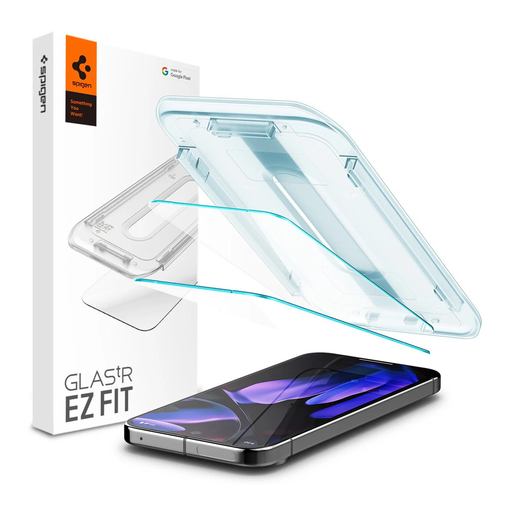
Why This Fits Their Persona: For users who value brand quality, a perfect fit, and a straightforward application. Spigen is known for well-designed accessories that simplify handling and promise high durability.
The included EZ Fit installation frame eliminates the risk of a crooked application and trapped air. The oleophobic coating is designed for longevity and resists rapid wear.
Professional installation kit for a guaranteed precise and bubble-free installation. High compatibility with Spigen cases prevents the edges from lifting.
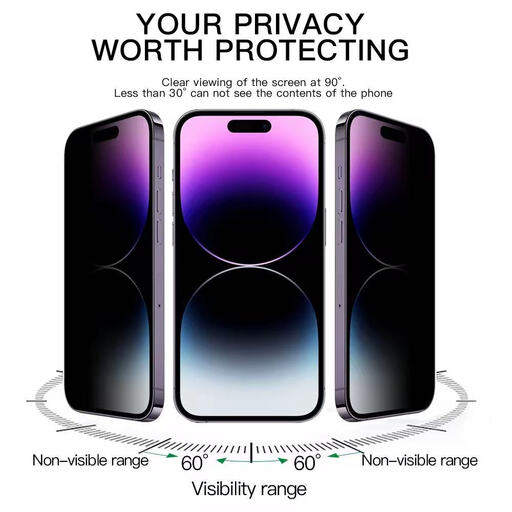
Why This Fits Their Persona: Perfect for anyone who frequently uses their smartphone in public and values privacy. The privacy screen protector shields emails, passwords, and private messages from prying eyes on the train, bus, or in a café.
This product offers a clearly defined special function instead of making vague all-around promises. It solves a specific problem (protecting privacy) and combines this with solid basic features like 9H hardness.
Effective privacy protection that makes the screen content visible only to the person directly in front of it. Additional features like a blue light filter and an anti-fingerprint coating complete the package.
We have compiled a complete, up-to-date list of products that fully meet these strict selection criteria and German safety regulations.
The lifespan of a screen protector depends heavily on usage. With normal use and no drops, a high-quality glass can last for several years. However, it should be replaced immediately if it has cracks or deep scratches, as its protective effect is then compromised. The oleophobic coating wears off over time, which can also necessitate a replacement.
No, a correctly applied and removed screen protector will not damage the display. On the contrary, it protects it. Problems can only arise if improper force is used to remove a shattered glass, or if an attempt is made to forcibly remove a protector with a very strong, low-quality adhesive.
An installation frame is not strictly necessary, but it simplifies the process significantly and increases the probability of a perfect, centred, and bubble-free application to almost 100%. For anyone who is unsure about manual alignment, a tempered glass with an installation frame is a very worthwhile investment.