
Lieferung heute & morgen

Qualitätsgarantie

Willkommens-Angebote freischalten: KOSTENLOSE Lieferung | Bis zu 80 % RABATT | Kostenlose 30-Tage-JoyPlus-Testphase
App herunterladen
A new smartphone like the iPhone 17 or Samsung Galaxy S25 is a significant investment. The display is its most delicate and expensive component. A suitable phone screen protector is therefore not an option, but a necessity to preserve the device's value. However, the market is flooded with exaggerated marketing claims and products that don't deliver on their promises. As your Joybuy Product Recommendation Officer, I'm here to help you separate fact from fiction and make an informed decision.
Before we dive into the important features, let's look at the three most common pitfalls that lead to frustration and unnecessary expenses.
To avoid these pitfalls, focus on objective, verifiable criteria. These three parameters are crucial for effective protection.
The choice of material is fundamental. Most protective products fall into two categories:
The fit determines the protector's longevity and functionality.
Also, look for precise cutouts for the front camera, speaker, and sensors to avoid impairing your device's functionality.
Modern protective products offer more than just scratch protection.
Based on these criteria, we have selected a few products from our range that are suitable for specific user profiles.
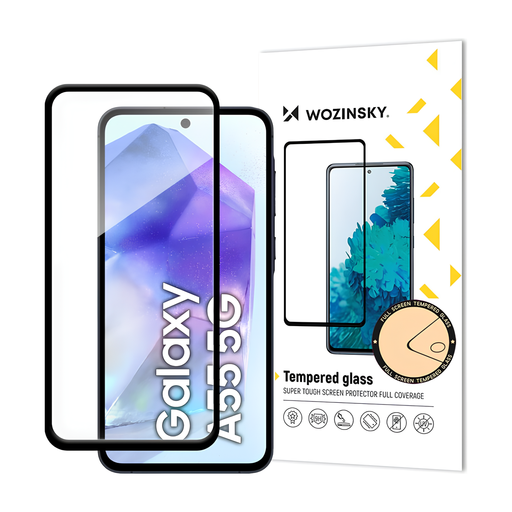
Why This Fits Their Persona: Ideal for owners of the new Samsung Galaxy S25 Ultra who want a straightforward yet robust solution for daily protection against scratches and impacts.
The "Full Glue" technology ensures complete adhesion across the entire surface, and the included comprehensive application kit minimises the risk of bubbles, directly addressing the difficult installation pitfall.
Offers a 9H hardness rating for high scratch resistance and comes with all necessary cleaning wipes and dust removers for a clean application.
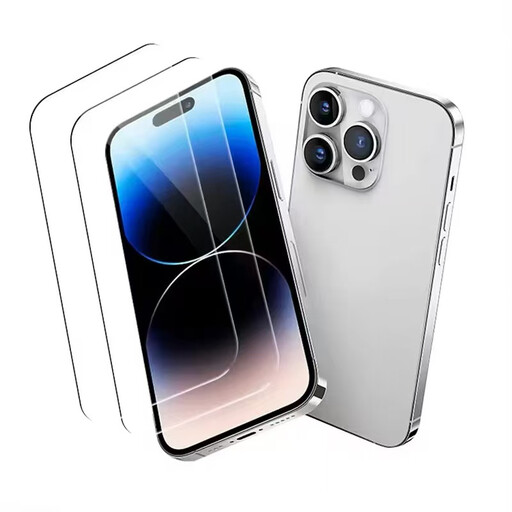
Why This Fits Their Persona: Perfect for users who frequently use their iPhone 17 Pro Max in public and need to protect sensitive data like emails or passwords from prying eyes.
This product isn't a generic film but a specialised privacy screen protector. It serves a clearly defined function that goes beyond simple scratch protection, offering genuine added value.
Combines an effective privacy filter with the durability of scratch-resistant 9H tempered glass and an oleophobic coating to resist fingerprints.
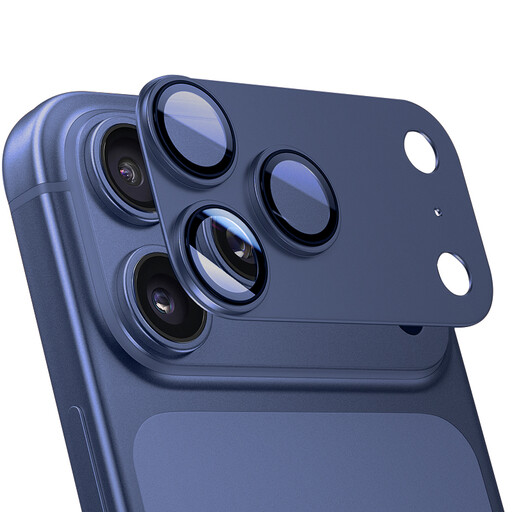
Why This Fits Their Persona: For detail-oriented users who recognise that the advanced camera system of the iPhone 17 Pro Max needs protection just as dedicated as the main screen.
Addresses the often-overlooked weak point of camera protection. While many focus only on the display, this product closes a critical gap in the protection strategy.
Made from an alloy with high light transmittance, this camera lens protector shields the lenses from drops and scratches without affecting the clarity of photos and videos.
If you want to buy more phone accessories or are looking for a wider range of protective solutions for different models, we have compiled a comprehensive list of products that meet our selection criteria.
1. How long does a tempered glass protector last? The lifespan of a tempered glass protector depends heavily on usage. It is designed as a sacrificial layer. With daily use and no drops, it can last for many months. However, if it absorbs a fall and cracks, or if it becomes heavily scratched, it should be replaced immediately to maintain protection.
2. Can you really apply a tempered glass protector without bubbles? Yes, a bubble-free application is possible. The key is preparation: work in a dust-free environment. Clean the display thoroughly with the provided alcohol wipe, dry it completely, and use the dust-removal sticker to pick up any last particles. Align the glass precisely and let it slowly lower onto the display. The adhesion usually happens on its own. Any remaining bubbles can be carefully pushed out towards the edges.
3. Does a privacy screen protector affect display quality? A privacy screen protector inevitably reduces brightness and can slightly alter colour representation, even when viewed head-on. This is a technical trade-off required for the privacy filter to function. However, modern films are optimised so that this effect is minimal during frontal viewing, while privacy from the side is effectively protected.