
Lieferung heute & morgen

Qualitätsgarantie

Willkommens-Angebote freischalten: KOSTENLOSE Lieferung | Bis zu 80 % RABATT | Kostenlose 30-Tage-JoyPlus-Testphase
App herunterladen
A new iPhone is a significant investment, and protecting its display is a top priority. A screen repair can easily cost several hundred dollars. A high-quality tempered glass screen protector for the iPhone is therefore a wise addition. However, the market is flooded with products making bold claims that often fail to deliver in practice. Many users find that their screen protector develops bubbles after a short time, hinders usability, or shatters at the first minor impact. This guide will show you which pitfalls to avoid and what features truly matter when making your choice.
Before we dive into the important features, let's shed light on the typical marketing traps that often lead to a poor purchase.
To avoid these problems, you should focus on a few objective criteria when making your selection. These will help you find a durable and functional product.
As mentioned, the 9H hardness rating is a standard, but the quality of the glass varies greatly. High-quality tempered glass undergoes a more complex thermal or chemical hardening process, making it more resistant to impacts and scratches. An alternative is hybrid glass, a mixture of glass and plastic film, which is more flexible and less likely to shatter on impact.
A precise fit is essential. Look for the "Case-Friendly" designation if you use a case. To ensure a perfect and bubble-free application, a screen protector with an installation frame is an excellent choice. This frame is placed over the smartphone and guides the screen protector into the exact position. The result is a clean application without repeated attempts.
Depending on your needs, additional features can be useful:
Based on these criteria, we have compiled a few products for different user groups.
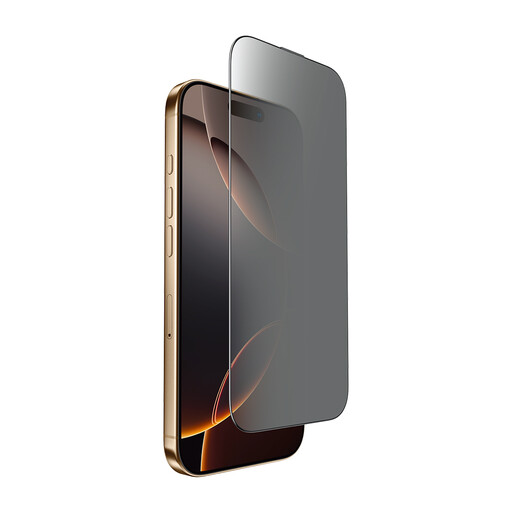
Why This Fits Their Persona: Ideal for users who frequently work on trains, planes, or in cafés. The integrated privacy function effectively shields confidential emails and private chats from side glances.
Offers a clear additional function (privacy) instead of vague marketing promises. The dust-proof cover for the earpiece also prevents a common weak point.
Effective privacy protection from a side angle; dust-proof mesh on the earpiece.

Why This Fits Their Persona: Perfect for anyone worried about a crooked or bubbly installation. The included alignment frame makes the process virtually foolproof, ensuring a perfect result on the first try.
Directly solves the problem of faulty application with a technical solution (the EZ Fit frame). The fit is also explicitly designed for compatibility with Spigen cases.
Innovative installation frame for a guaranteed easy and precise application; 2-pack for a spare.
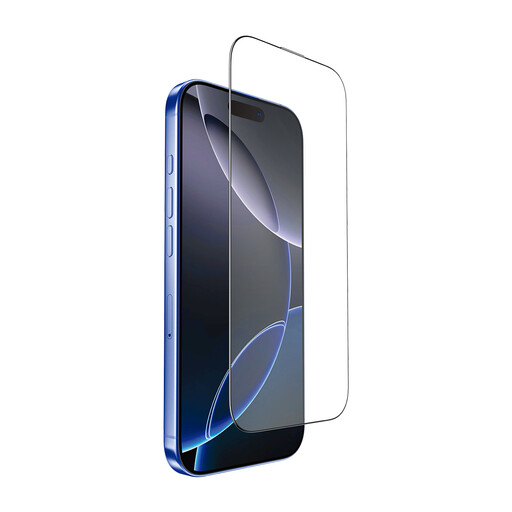
Why This Fits Their Persona: A great option for people who use their smartphone intensively for work, study, or entertainment and value a potential reduction in eye strain from blue light.
Focuses on a specific, verifiable feature (blue light filtering) and combines it with proven features like a dust-proof cover, rather than relying on generic hardness claims.
Integrates a blue light filter without significantly distorting color display; dust-proof design.
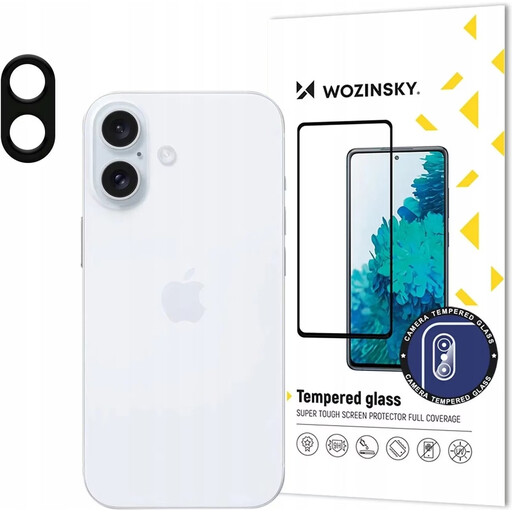
Why This Fits Their Persona: For users who consider protecting the high-quality camera lenses just as important as the display. This glass covers the entire camera module, protecting it from scratches from keys or when placed on rough surfaces.
Addresses an often-overlooked weak point – the camera lenses. Instead of just protecting the display, it offers a specialized solution for another critical area of the device.
Precise coverage for the entire camera module; ultra-thin design (0.20 mm) does not affect photo quality.
We have compiled a complete, up-to-date list of products that fully meet these strict selection criteria and UK safety regulations.
A tempered glass screen protector should be replaced immediately as soon as it shows cracks, chips, or deep scratches. A damaged protector has reduced protective capabilities and can no longer effectively absorb energy during another impact, endangering the underlying display.
Yes, a privacy screen protector can slightly reduce the perceived brightness of the display and minimally alter color representation. This is a technical trade-off necessary for the privacy function to work. The brightness can usually be easily adjusted in the device settings.
Not necessarily. To avoid compatibility issues, you should look for screen protectors explicitly labeled as "Case-Friendly." These are cut slightly smaller at the edges so that the lip of a phone case cannot lift the glass.