
Lieferung heute & morgen

Qualitätsgarantie

Willkommens-Angebote freischalten: KOSTENLOSE Lieferung | Bis zu 80 % RABATT | Kostenlose 30-Tage-JoyPlus-Testphase
App herunterladen
A damaged smartphone screen can lead to costly repairs. A tempered glass screen protector for smartphones is designed to guard against scratches, scuffs and everyday knocks. However, not all screen protectors are made the same way. Product names such as ‘Full Screen’, ‘9H’ or ‘bubble-free’ describe individual features, but don’t tell you on their own whether a protector is right for your specific smartphone.
A screen protector for an iPhone 17 won’t automatically fit an iPhone 17 Pro or iPhone 17 Pro Max. Even within a Samsung Galaxy series, screen size, camera area and frame design can vary. Before you buy, check the full model name rather than just the product family.
The same applies to an iPhone 16 screen protector: the iPhone 16, iPhone 16 Pro, iPhone 16 Plus and iPhone 16 Pro Max may need different protectors depending on their design.
9H tempered glass refers to a stated hardness rating and usually relates to scratch resistance. It doesn’t guarantee protection against every type of damage in a fall. Even tempered glass can break under a strong impact. Replace a damaged screen protector promptly and carefully.
A screen protector with particularly wide coverage protects more of the front of your phone, but can lift at the edges when used with a close-fitting case. A case-friendly screen protector is deliberately designed to leave a little space around the edge of the phone. So check how the coverage, frame shape and case you use will work together.
A full-screen protector covers the visible screen, including the areas around the edges. If you choose a protector with a black border, check that it won’t cover any important part of the screen. For devices with curved edges, flexible hybrid glass can be an alternative to traditional tempered glass.
When choosing a protector for a Samsung device, such as a Samsung Galaxy screen protector, the exact model number and the cut-outs for the front camera or speaker are key. For example, the product name ‘Samsung Galaxy A13/A23/A23 5G/M13’ refers to several compatible models, which should be listed explicitly in the product description.
Full-glue tempered glass has an adhesive layer across the entire surface. This can help the glass sit more evenly than versions that only stick around the edges. A dust-free environment is still important: even tiny particles beneath the adhesive can cause visible specks or bubbles.
Installation aids such as alignment frames, cleaning cloths and dust removers can be useful. A bubble-free installation depends on the preparation as well as the product:
An anti-fingerprint coating can reduce the build-up of oil and fingerprints. It won’t prevent all marks, however, and can wear off with regular use. High light transmittance is especially important for videos, photos and use in changing light conditions.
A privacy screen protector reduces the viewing angle from the sides. This can be useful on the train, in a café or at work, but it may make the display look darker. When choosing between clear tempered glass and a privacy option, think about where you’re most likely to use your phone.
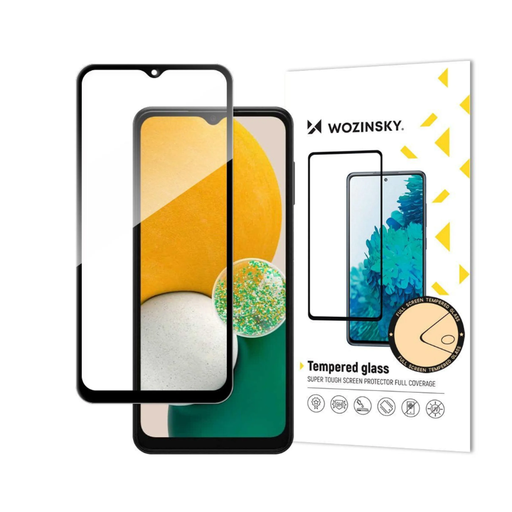
Why this product suits this profile: It’s listed as compatible with the Samsung Galaxy A13, A23, A23 5G and M13, making it a good choice for anyone looking for clearly stated compatibility and straightforward installation.
The list of compatible models reduces the risk of ordering the wrong protector. Its full-glue design and frame are intended to provide full-surface adhesion while remaining case-friendly.
Stated 9H hardness, full-screen design, black border and full-surface adhesive.
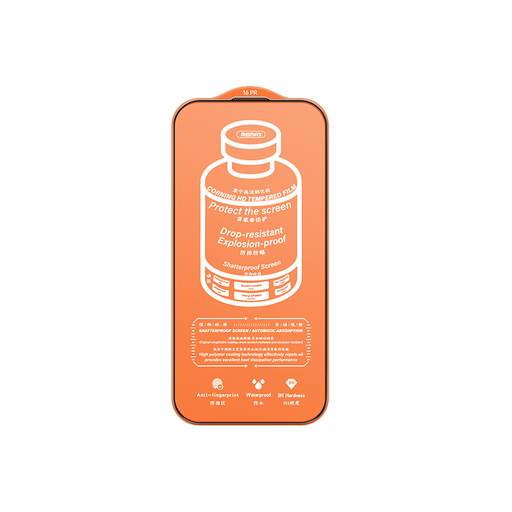
Why this product suits this profile: According to the product details, this screen protector is designed for the iPhone 17. It combines a precise fit with reinforced glass and an oil-repellent coating.
The stated model compatibility avoids broad assumptions about which phones it will fit. The stated glass thickness of 0.4 mm helps keep the design slim.
Reinforced Corning glass, full-screen coverage, high image clarity and an oil-repellent coating, according to the supplier.
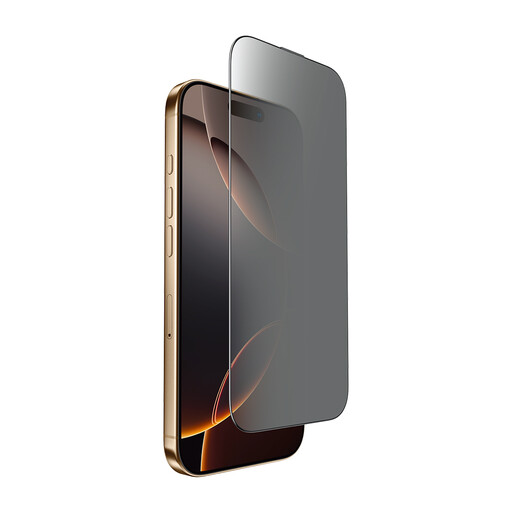
Why this product suits this profile: The privacy version is a good option if you’d like to make your screen less visible to others when you’re out and about, such as on public transport or at work.
The product details clearly state that the viewing angle is reduced and the display may look darker. This helps you set realistic expectations for the privacy feature.
2.5D full-screen design with a black border, plus privacy and dust protection according to the product description.
We’ve put together a complete, regularly updated list of products that meet these strict selection criteria and fully comply with the safety regulations in force in the EU.
How long it lasts depends on how you use it, its coating, case compatibility and any impact from drops. Visible scratches, cracks, chips or edges starting to peel away are all signs that it’s time for a replacement. Even if your smartphone still works, damaged glass can have sharp edges.
A thoroughly cleaned screen, a low-dust environment and precise alignment are essential. Apply the glass slowly, working from the middle towards the edges. You can often smooth out small air bubbles with a soft cloth. If there are larger dust particles, avoid repeatedly lifting the glass, as this can affect the adhesive and the screen’s oleophobic coating.
It depends on how you use your phone. A privacy screen protector can reduce side views in public places, but it typically affects the viewing angle and perceived brightness. Clear tempered glass is better suited to those who prefer an unchanged display and good visibility from different angles.