
Lieferung heute & morgen

Qualitätsgarantie

Willkommens-Angebote freischalten: KOSTENLOSE Lieferung | Bis zu 80 % RABATT | Kostenlose 30-Tage-JoyPlus-Testphase
App herunterladen
A damaged smartphone screen can quickly lead to high repair costs in the UK. The right tempered glass screen protector can help keep the surface free from scratches and everyday wear. However, screen protectors vary considerably in fit, coating and ease of installation.
A screen protector for the iPhone 16 won’t automatically fit the iPhone 16 Pro. Display size, camera area, curved edges and sensor positions also vary across the Samsung Galaxy range. Before buying, check the full model name, not just the product family.
This applies, for example, to:
A full-screen protector covers most of the visible display area. However, it won’t automatically protect the frame, back or camera module. A very wide glass protector may also catch on your phone case. Look out for descriptions such as “case-compatible screen protector”, “Classic Fit” or “Ultra-Wide Fit”.
The 9H screen protector label describes the scratch resistance claimed by the supplier under a particular testing method. It doesn’t guarantee that the glass will remain undamaged in every fall. Even tempered glass can crack on impact. Replace a protector if it develops visible cracks, as sharp edges may form and its protective performance may be reduced.
Compared with basic plastic films, tempered glass offers a firm, smooth surface. Slim models such as the Spigen Glas.tR Slim are listed as being 0.2 mm thick. This can help the protector sit discreetly against the display. Other products, such as REMAX glass for iPhone models, are listed as 0.4 mm thick.
However, glass thickness alone doesn’t determine whether a protector is suitable. A precise fit, reliable adhesive and enough clearance for your case matter more.
A case-compatible screen protector shouldn’t be lifted at the edges by your phone case. Ultra-Wide Fit models cover more of the front, while Classic Fit versions may leave a little more room around the case.
Also check:
An anti-fingerprint coating, also known as an oleophobic coating, can reduce the build-up of skin oils and fingerprints. It doesn’t eliminate the need to clean the screen, though. A privacy screen protector may be useful on public transport, in the office or in cafés. It makes the screen harder to see from the side.
The trade-off is that privacy glass can limit side-on visibility and, depending on your surroundings, make the screen appear less bright. If you often edit photos or share your screen with others, a clear HD glass protector may be a better choice.
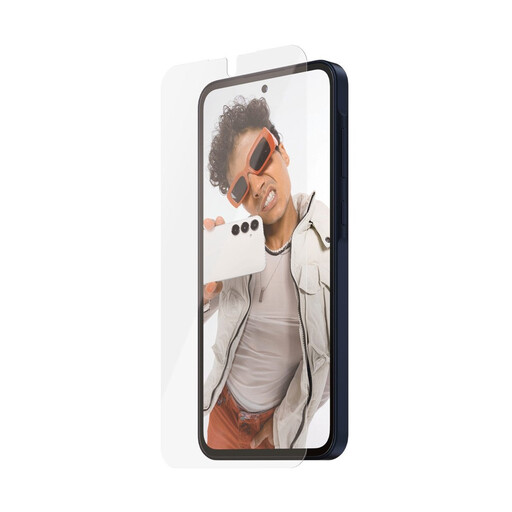
Why this product suits this profile: This model is designed for the Samsung Galaxy A36 5G and includes an alignment frame for a controlled installation.
The stated model compatibility reduces the risk of ordering glass for a different Galaxy model. Ultra-Wide Fit and case clearance are clearly specified.
Ultra-Wide Fit glass, an alignment frame, and stated resistance to scratches and moisture.
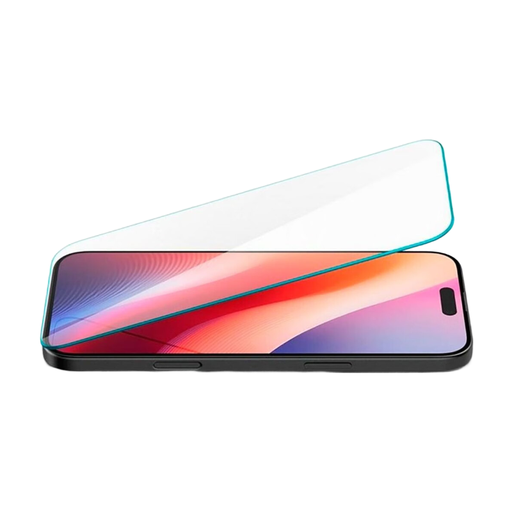
Why this product suits this profile: Its stated thickness of 0.2 mm and 9H rating will appeal if you’re looking for slim protective glass with documented technical specifications.
Its clear compatibility listing for the iPhone 16 Pro helps prevent you from ordering it for a different iPhone version. An installation frame helps with alignment.
Stated glass thickness of 0.2 mm, 9H rating and anti-smudge coating.
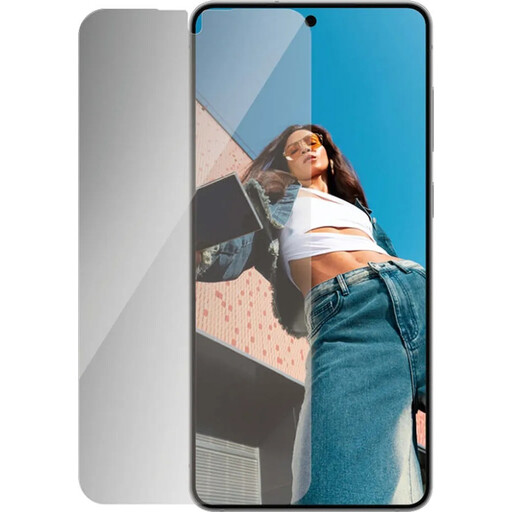
Why this product suits this profile: Its side-on privacy filter is useful for commuters, office workers and anyone who wants to keep confidential content from being easily read by others.
The privacy feature is explicitly stated, rather than inferred from a general “anti-spy” label. The fit is specified for the Samsung Galaxy S25 Edge.
Privacy filter, stated thickness of 0.35 mm, oleophobic coating and compatibility with an ultrasonic fingerprint sensor, according to the product details.
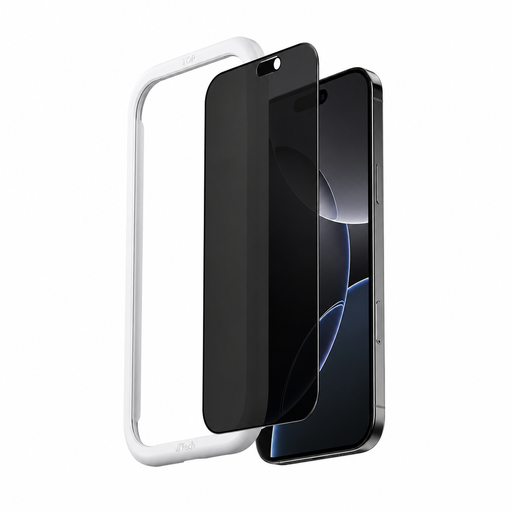
Why this product suits this profile: Its stated privacy filter and automatic alignment are designed for use on the go and straightforward installation.
The model name specifically identifies the iPhone 17 Pro Max. The product details also list 9H hardness, a privacy filter and an applicator.
9H rating, privacy feature, anti-fingerprint coating and a described automatic adhesion process during installation.
We’ve put together a complete, regularly updated list of products that meet these strict selection criteria and the safety regulations in force in the EU.
A bubble-free installation depends above all on a dust-free surface and careful alignment:
Don’t install a glass protector on a screen that’s already cracked, and don’t apply strong pressure during installation.
Its lifespan depends on use, impacts, scratches and care. Replace the glass if it has visible cracks, lifted edges or affects touchscreen operation. There’s no reliable way to give a single general lifespan.
No. 9H is a hardness rating that refers to the stated scratch resistance. It doesn’t guarantee protection against every fall or localised impact. A smartphone case can provide extra protection.
The price depends on factors such as the material, coating, model fit, alignment accessories and privacy feature. Don’t compare price alone: also check what’s included, exact compatibility and installation instructions.