
Lieferung heute & morgen

Qualitätsgarantie

Willkommens-Angebote freischalten: KOSTENLOSE Lieferung | Bis zu 80 % RABATT | Kostenlose 30-Tage-JoyPlus-Testphase
App herunterladen
A damaged smartphone display can quickly lead to high repair costs. A suitable tempered glass screen protector provides an extra layer of protection against scratches, wear and minor knocks in everyday use. However, screen protectors vary considerably in terms of fit, adhesive coverage and installation.
If you focus only on terms such as “9H”, “Full Screen” or “military-grade protection”, you may overlook important details. The following tips will help you interpret marketing claims correctly and choose a screen protector for your specific iPhone or Samsung Galaxy model.
An iPhone screen protector for the iPhone 17 Pro will not automatically fit the iPhone 17 Pro Max. Even within a Samsung Galaxy series, the camera position, display size and edges of the casing may differ. As a result, a protector that appears similar may not fully cover the screen or could affect the sensors.
Before buying, you should therefore compare the following details:
A full-screen protector may extend close to the edges of the display without the entire back of the glass being adhesive. On curved displays or where dust collects around the edges, this can cause the protector to lift.
A full-glue tempered glass protector, on the other hand, has an adhesive layer across the entire protected area. This can improve adhesion and reduce visible air pockets. At the same time, precise alignment is essential during installation.
The term 9H screen protector refers to a stated surface hardness, usually based on a pencil hardness test. It is a useful indication of scratch resistance, but it does not mean that the glass will remain undamaged after every drop. A tempered glass protector can break on impact and absorb some of the energy. However, this does not guarantee that the smartphone display will be protected from every type of damage.
In everyday use, tempered glass is generally more stable and feels closer to the original display than thin plastic films. Look for:
A scratch-resistant screen protector helps protect against typical contact marks caused by keys or other objects in your pocket or bag. However, its protective performance and the result of an impact will still depend on the height of the fall, the surface and the angle of impact.
A bubble-free installation depends on more than just the product. The display must be free from dust, grease and fingerprints. Cleaning wipes, dust-removal stickers, alignment frames or an installation box can make application easier.
Electrostatic adhesion does not require a conventional adhesive layer and can generally be removed without leaving residue. Full-glue models adhere across the entire surface. Before choosing, make sure you understand which method is specified in the product description.
A transparent screen protector should affect the display and touch operation as little as possible. However, terms such as “HD” or “ultra-clear” are not standardised, protected quality classifications. More objective points of comparison include:
An anti-fingerprint screen protector can make cleaning easier. It will not prevent fingerprints permanently, and the coating may wear away with intensive use.
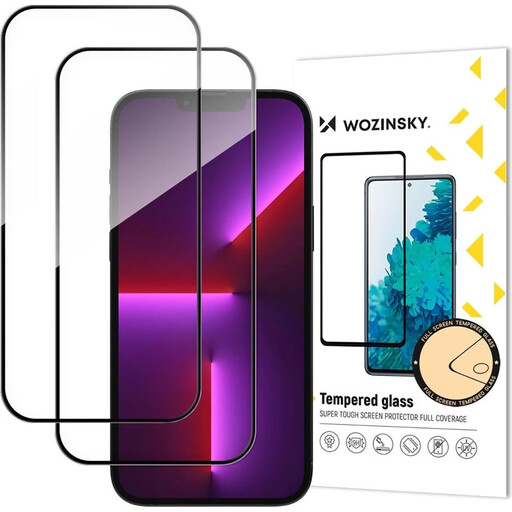
Why this product suits this profile: The two-pack includes a replacement protector and is designed for the iPhone 17 Pro. It is suitable for users looking for a straightforward starter kit with installation accessories.
The full-glue design addresses the risk of uneven adhesion. The set includes cleaning and installation aids for accurate alignment.
Stated 9H hardness, black frame design, high transparency and two protectors per pack.
Why this product suits this profile: This version is aimed at users who value a stated AR coating, full-cover design and guided installation.
The installation box helps ensure even positioning. The product details specify electrostatic adhesion and residue-free removal.
Stated 10H hardness, 0.33 mm thickness, AR coating and anti-fingerprint surface.
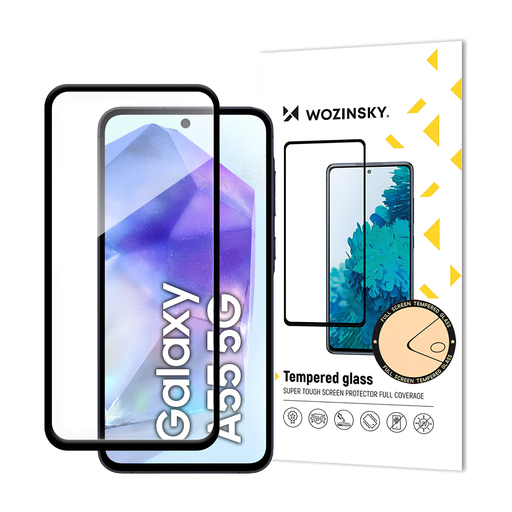
Why this product suits this profile: For Samsung Galaxy S25 users looking for a full-screen design with a black frame and case compatibility.
The specific model designation reduces the risk of an incorrect cut-out. Installation aids support a clean, as bubble-free as possible application.
Stated 9H hardness, full-glue construction, impact resistance according to the product description and a case-compatible shape.
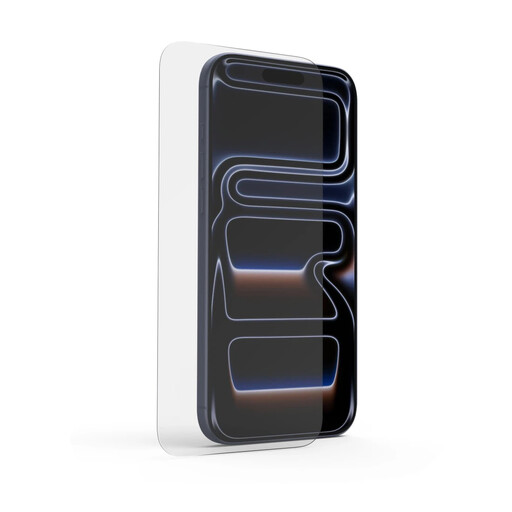
Why this product suits this profile: Electrostatic installation with EcoFrame is an appealing option for users who want to avoid a conventional adhesive layer and remove the protector when needed.
The installation aid reduces the risk of positioning the protector at an angle. The product details specify residue-free, electrostatic application.
Stated 9H hardness, 0.33 mm thickness, full-cover format and 60 per cent recycled glass according to the product details.
A low-dust environment is important for a bubble-free installation. Proceed step by step:
Do not apply strong pressure to damaged areas and do not use sharp objects. Glass that has already cracked should be removed carefully and replaced.
We have put together a complete, regularly updated list of products that fully meet these strict selection criteria and the safety regulations applicable in the EU.
There is no universally fixed lifespan. It depends on friction, impacts, temperature and daily use. Replace the screen protector when you notice cracks, chips, sharp edges or reduced adhesion.
No. A case-compatible screen protector usually leaves a small gap around the edge so that the case does not catch underneath the glass. Nevertheless, check the manufacturer’s details and compare the shape of the protector with your case.
Both methods offer practical benefits. Full-glue tempered glass adheres across the entire surface and can provide an even bond. Electrostatic models can generally be removed without adhesive residue. The key factors are the exact model fit, clean installation and whether you want the option of replacing the protector later.