
Lieferung heute & morgen

Qualitätsgarantie

Willkommens-Angebote freischalten: KOSTENLOSE Lieferung | Bis zu 80 % RABATT | Kostenlose 30-Tage-JoyPlus-Testphase
App herunterladen
A tempered glass screen protector for smartphones is designed to protect your display from scratches, fingerprints and everyday knocks. However, not every screen protector is suitable for every device. Problems are often caused not by the smartphone itself, but by an inaccurate model description, unsuitable edge construction or incorrect installation.
This buying guide explains which details really matter and which marketing claims you should examine critically when shopping online in the UK.
A screen protector for an iPhone 16 is not automatically suitable for an iPhone 16 Plus or another iPhone model. Samsung Galaxy devices also differ in screen size, camera area, sensors and edge shape. A glass protector that only fits approximately may lift at the sides or push up your phone case.
Always check:
9H tempered glass refers to a standardised pencil hardness test for the material. The rating indicates scratch resistance under specific testing conditions. It does not mean that the screen protector is unbreakable or that it will survive every fall without damage.
A scratch-resistant screen protector can reduce damage caused by contact with keys and everyday friction. However, it may itself crack or shatter in a severe impact. For safety and protection, damaged glass should be replaced.
Full-screen protection can mean extensive coverage of the front of the device, but it does not necessarily cover every curved edge completely. With a full-glue screen protector, adhesive covers the entire surface. This can help provide even adhesion, but requires particularly clean and precise installation.
For users with a thick or close-fitting phone case, a case-friendly screen protector is often more practical than glass extending as far as possible over the edges. A small gap should remain between the glass and the case edge, so that the case does not lift the screen protector.
Fit is more important than a long list of additional features. A good comparison starts with the exact model. When choosing a screen protector for iPhone, pay particular attention to the differences between Standard, Plus, Pro and Pro Max variants. With screen protectors for Samsung Galaxy, series such as S, A, Z Flip and Z Fold are not interchangeable.
A black border can frame the edge of the display visually. At the same time, check whether the border covers any visible areas of the screen. With curved or particularly narrow edges, flexible hybrid glass can be an alternative to completely rigid glass.
Alongside the 9H rating, the material construction and coating are also important. An anti-fingerprint coating, also known as an oleophobic surface, can reduce the build-up of skin oils and dirt. However, it will not prevent fingerprints completely, and its effectiveness decreases with regular cleaning and intensive use.
A crystal-clear screen protector should offer high light transmission and have as little impact on operation as possible. Information about touch sensitivity and transparency is particularly relevant for gaming, navigation and longer typing sessions.
Terms such as anti-blue-light protection should be assessed objectively: a filter coating changes how light passes through the glass. This does not establish any medical or therapeutic effect. What matters is whether you are happy with the colour reproduction and brightness in everyday use.
A bubble-free installation depends on more than just the product. Dust, grease, moisture and incorrect alignment are common causes of visible particles and marks. Installation guides, cleaning cloths and dust-removal stickers are useful additions.
We recommend the following installation sequence:
A shatterproof tempered glass protector does not exist in the literal sense. Even toughened glass remains a delicate precision product. Do not continue using it if it has cracks or chipped edges.
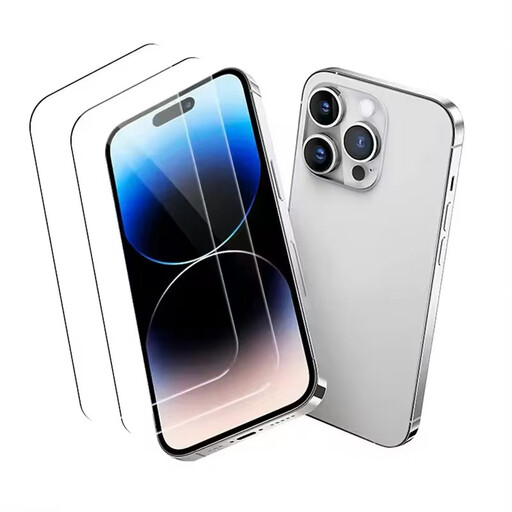
Why this product suits this profile: This glass protector is aimed at iPhone 16 Plus users looking for a clear, case-compatible solution that is easy to apply.
The specific model allocation reduces the risk of choosing glass that is too small or has incorrectly positioned cut-outs. The stated 9H hardness is presented as a material property, not a promise that the glass is unbreakable.
9H glass, high transparency, anti-fingerprint treatment and a case-compatible design according to the product details.
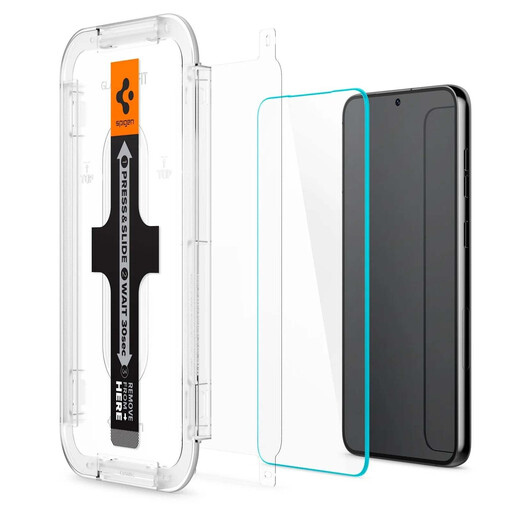
Why this product suits this profile: The included EZ-Fit installation guide is ideal for users who value consistent alignment and a clean surface.
The installation frame helps prevent crooked positioning and numerous air bubbles. The case-friendly design takes use with a phone case into account.
9H hardness, oleophobic coating, two screen protectors per pack, plus the stated touch responsiveness and colour accuracy.
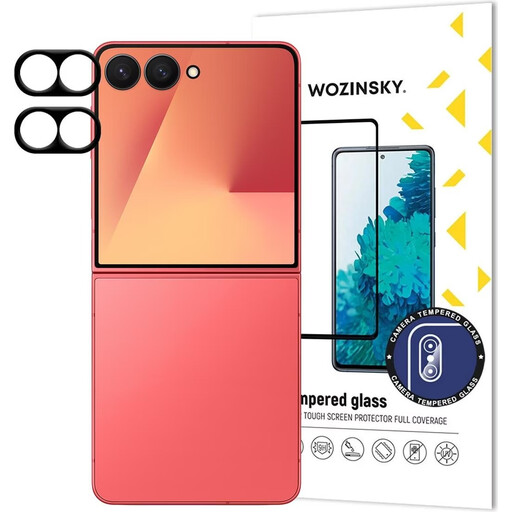
Why this product suits this profile: For frequent users and owners of a foldable Samsung model who want to protect the sensitive camera lenses as well as the display.
The Galaxy Z Flip 7-specific design prevents an unsuitable standard protector from being placed over the camera area. Before installation, the lenses must be cleaned thoroughly and the cut-outs checked.
Two camera protectors, 0,2 mm material thickness and 9H hardness according to the product description.
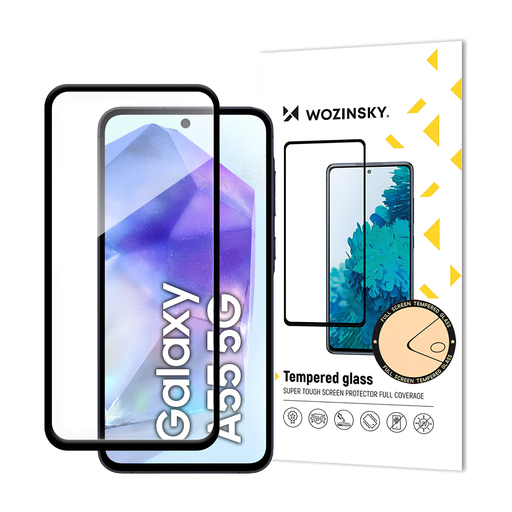
Why this product suits this profile: The full-glue construction is designed for users who prefer full-surface adhesion and the most complete front protection possible.
The stated case compatibility addresses the risk of the edge being pushed upwards. Installing it with cleaning cloths and dust-removal stickers helps prevent dirt from becoming trapped beneath the glass.
Full-screen design, 9H hardness, black edging and, according to the product details, low-bubble application without the need to apply additional adhesive.
We have put together a complete, regularly updated list of products that fully meet these strict selection criteria and the safety regulations applicable in the EU.
Clean the glass with a soft microfibre cloth. Aggressive cleaning products or abrasive cloths can damage the surface coating. If the glass starts to lift at the edges, is visibly scratched or has developed a crack, it should be replaced. There is no standard service life, as this depends on the risk of drops, transport, cleaning routine and daily contact.
Also check whether the fingerprint sensor continues to respond reliably after installation. With some devices, you may need to register your fingerprints again after applying the screen protector.
The display must be completely free of dust and grease. First align the glass with the speaker, camera and outer edges. Then press down in the centre and slowly push air bubbles outwards. An installation guide can make alignment easier.
Its lifespan depends on daily use. The screen protector should be replaced if it has visible cracks, chips, deep scratches or edges that are coming away. An undamaged protector can be used for longer, provided that touch functionality and adhesion remain unchanged.
No. Full-glue glass may adhere across the entire surface, but its outer dimensions must fit the case. Always check specifically for the Case-Friendly specification and choose a screen protector listed for your exact smartphone model.