
Lieferung heute & morgen

Qualitätsgarantie

Willkommens-Angebote freischalten: KOSTENLOSE Lieferung | Bis zu 80 % RABATT | Kostenlose 30-Tage-JoyPlus-Testphase
App herunterladen
A damaged smartphone screen can quickly become expensive. The right tempered glass screen protector for your smartphone protects the surface from scratches, wear and fingerprints in everyday use. However, screen protectors vary considerably in terms of model fit, installation and coatings.
Anyone who focuses only on labels such as “9H” or “HD” may overlook important details. Three common purchasing and marketing pitfalls are particularly widespread:
Before buying, make sure the smartphone’s exact model name matches the product description. This is especially important for devices with similar names, such as iPhone 16, iPhone 16 Pro, iPhone 16 Pro Max, iPhone 17 and iPhone 17 Air.
A precise check is also essential for Samsung models. The Samsung Galaxy S25 Edge has different dimensions and screen contours from many other Galaxy devices. For a foldable smartphone such as the Samsung Galaxy Z Flip 7, the product must also specify whether the protector is intended for the inner main screen.
Look out for the following details:
Compared with thin plastic films, tempered glass offers a firm surface and a glass-like feel when using the screen. The term 9H tempered glass is widely used. In practice, it means that, according to the relevant manufacturer’s specification, the material offers enhanced scratch resistance. However, the rating is not a standardised promise of impact or drop protection.
Some models feature black edges or a full-screen design. This can complement the look of the smartphone, but it should not cover any part of the display. For foldable devices, the manufacturer-specified position is particularly important. The glass must not interfere with the folding mechanism.
For everyday use, additional coatings are often more relevant than hardness ratings alone. An anti-fingerprint screen protector with an oleophobic or hydrophobic coating can make it easier to remove oil and fingerprint marks. An HD screen protector should offer high light transmission so that photos, videos and text appear as unchanged as possible.
The following can help with installation:
A privacy screen protector reduces the side viewing angle, but it can alter image brightness and viewing-angle performance. If you often work with confidential content on the train, in a café or in the office, you may wish to consider privacy tempered glass. For sharing photos and videos, transparent glass is generally more practical.
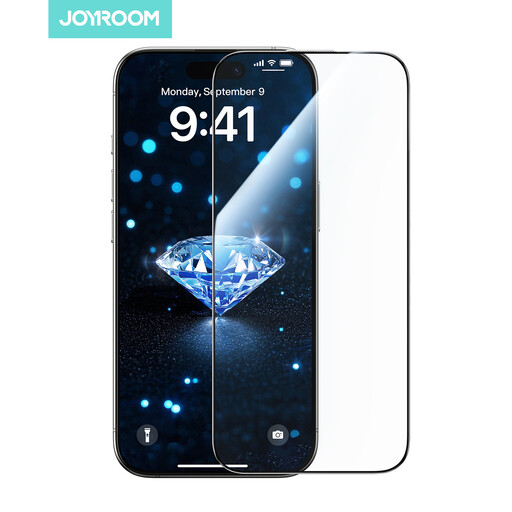
Why this product suits this profile: The 2.5D full-screen design with black edges is aimed at iPhone users looking for reliable everyday protection.
The model-specific design prevents a generic universal protector from covering important screen areas inaccurately. The product details state HD and dust-resistant properties.
2.5D full-screen design, tempered glass and transparent HD display performance according to the product details.
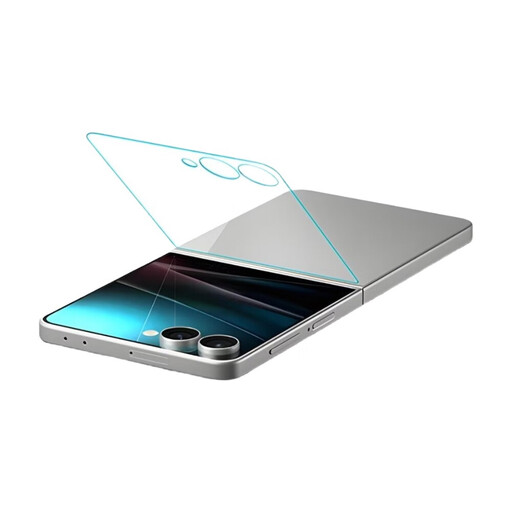
Why this product suits this profile: This set is aimed at Galaxy Z Flip 7 users who prefer guided installation and a spare screen protector.
The supplied alignment frame reduces the risk of placing the protector crookedly and supports bubble-free installation. The product details explicitly state that it is intended for the inner main screen.
9H glass, 0,58 mm thickness, anti-fingerprint coating, plus two screen protectors and two installation kits per pack.
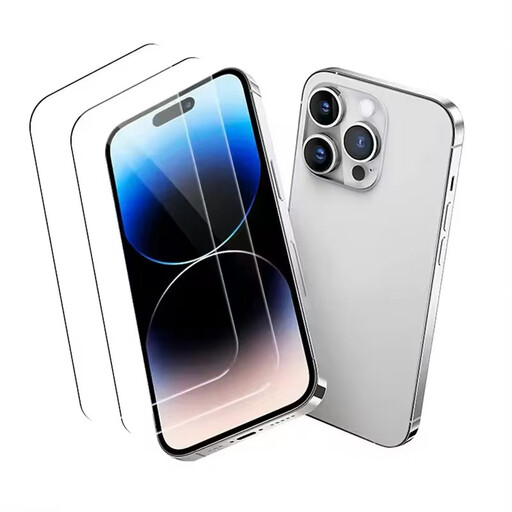
Why this product suits this profile: This model is intended for iPhone 17 users looking for a transparent, case-compatible screen protector with an installation aid and anti-fingerprint properties.
The product description specifies 9H hardness, high light transmission, an oleophobic coating and an applicator. Before buying, check the exact model variant in the selection once again.
9H glass, HD transparency, anti-fingerprint and dust-resistant coating, plus stated compatibility with phone cases.
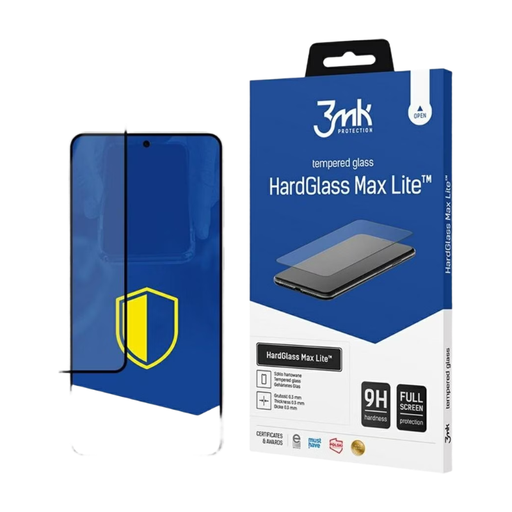
Why this product suits this profile: The black finish and stated precision fit appeal to Galaxy S25 Edge users who value a coordinated front design.
The product details list Galaxy S25 and S25 Edge as compatible models. Nevertheless, check the exact variant against the packaging and product page before ordering.
Tempered glass, black surface, oleophobic coating, plus stated touch sensitivity and screen clarity.
We have put together a complete, regularly updated list of products that fully meet these strict selection criteria and the safety regulations applicable in the EU.
A damaged or cracked protector should be replaced. Even an undamaged, scratch-resistant phone screen protector can develop visible signs of wear through frequent cleaning, contact with edges or being carried in bags with keys. A soft, dry cloth is sufficient for care. Abrasive cleaners and aggressive solvents can damage coatings.
No. The 9H rating refers to the scratch hardness stated by the supplier. A drop onto an edge or a hard, concentrated impact can still damage the glass. If a crack appears, carefully remove and replace the screen protector.
The exact model name is what matters. A screen protector for iPhone 16 is not automatically suitable for the iPhone 16 Pro or iPhone 16 Plus. The same applies to a screen protector for iPhone 17 and a screen protector for iPhone 17 Air. Also check the screen size, cut-outs and case compatibility.
It is not possible to specify a fixed lifespan across the board. It depends on transport, drops, friction and cleaning. Replace the glass if you notice cracks, chips, lifting at the edges or scratches that remain visibly distracting.