
Lieferung heute & morgen

Qualitätsgarantie

Willkommens-Angebote freischalten: KOSTENLOSE Lieferung | Bis zu 80 % RABATT | Kostenlose 30-Tage-JoyPlus-Testphase
App herunterladen
A scratched smartphone screen can affect how you use your device and reduce its condition if you sell it later. A tempered glass screen protector for your mobile phone is designed to protect the glass surface from everyday scratches, abrasion and certain impacts. However, not every screen protector is suitable for every smartphone.
Many disappointing purchases are not caused by the material itself, but by an unsuitable size, an impractical coating or installation that traps dust beneath the glass. The following criteria will help you choose a suitable smartphone screen protector and the right version for iPhone or Samsung Galaxy models.
The 9H screen protector marking generally describes a hardness rating based on a pencil hardness test. It may indicate increased resistance to scratches, but it is not a guarantee against every type of damage. Even tempered glass can break if it suffers an awkward impact.
So do not consider the hardness rating alone. Also look at:
A screen protector with full-screen protection or an Ultra-Wide Fit covers a large part of the visible area. This can be useful if you want to leave as little of the screen unprotected as possible. However, with thick or close-fitting mobile phone cases, glass that is too wide may be placed under tension at the edges.
A case-friendly screen protector, on the other hand, deliberately leaves a small gap around the edge. Before buying, check whether the manufacturer explicitly states that the protector is compatible with cases.
A privacy screen protector limits the view of the screen from the side. This can be practical on trains, in the office or in public waiting areas. At the same time, the image may appear darker from side angles, and the usable viewing area is reduced. If you often share content with other people, a transparent screen protector is usually the better choice.
Compare your smartphone’s model designation with the information on the product page. ‘iPhone 16’ and ‘iPhone 16 Pro’ are not automatically compatible. The same applies to different Samsung Galaxy models.
The main profile differences are:
An anti-fingerprint coating, also known as an oleophobic surface, can reduce the build-up of skin oils and sweat. However, it is not a substitute for cleaning. Transparency and touch response are also important for everyday use. Claims such as ‘100% clarity’ or ‘high light transmission’ should be understood as manufacturer specifications and may vary depending on the version.
A bubble-free installation depends on a dust-free surface, precise alignment and the adhesive or bonding system. Cleaning cloths, dust-removal stickers, installation frames or applicator cards make fitting easier.
Practical steps:
There is no shatterproof mobile phone screen protector in the literal sense. If visible cracks appear, carefully remove and replace the screen protector.
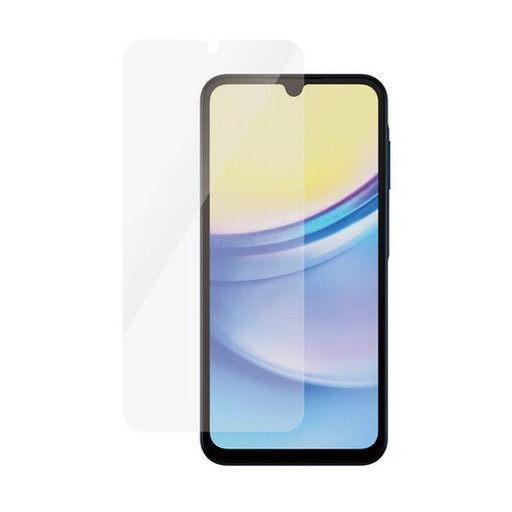
Why this product suits the profile: For Samsung A16 users looking for extensive coverage and straightforward installation. According to the product details, the glass offers Ultra-Wide Fit coverage, an anti-fingerprint coating and bubble-free installation.
The specific model designation reduces the risk of buying the wrong product. The described centre-out installation can help reduce air bubbles during fitting.
Samsung A16 compatibility, Ultra-Wide Fit and anti-fingerprint surface according to the product description.
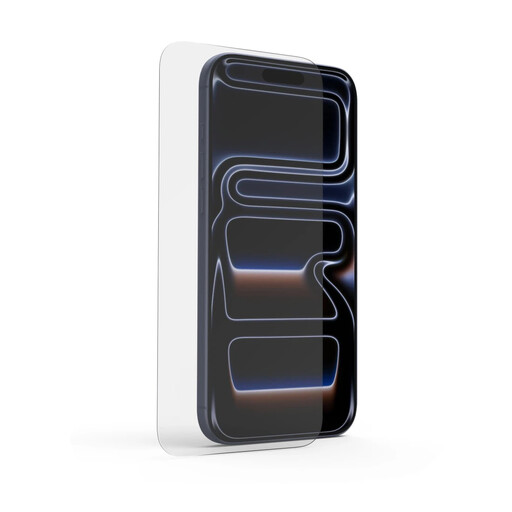
Why this product suits the profile: According to the product data, this version combines 9H hardness, a thickness of 0.33 mm, electrostatic adhesion and an installation aid. It also contains 60% recycled glass and is manufactured in Germany.
The installation aid supports precise alignment. Nevertheless, check the model list before buying, as the glass is intended exclusively for the iPhone models specified.
9H hardness, 0.33-mm construction, anti-fingerprint surface and electrostatic attachment according to the manufacturer’s specifications.
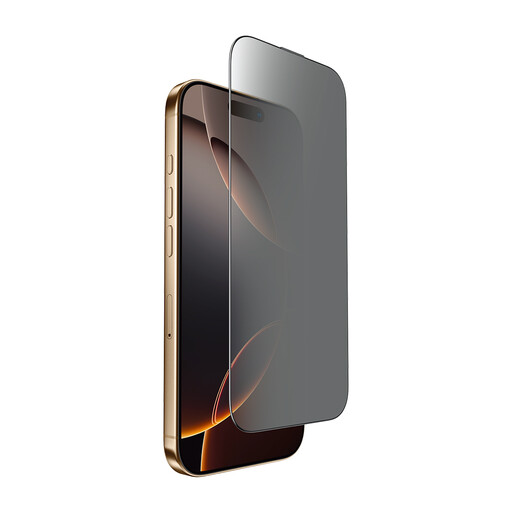
Why this product suits the profile: This privacy version is aimed at commuters and professionals who want to reduce side views of messages or passwords. According to the safety information, the image may appear darker from side angles.
The restricted viewing angles are explicitly stated as both a feature and a possible drawback. This makes it easier to decide before buying whether privacy or maximum brightness matters more to you.
Privacy filter and dust-protected design according to the product details; guidance on careful installation is included.
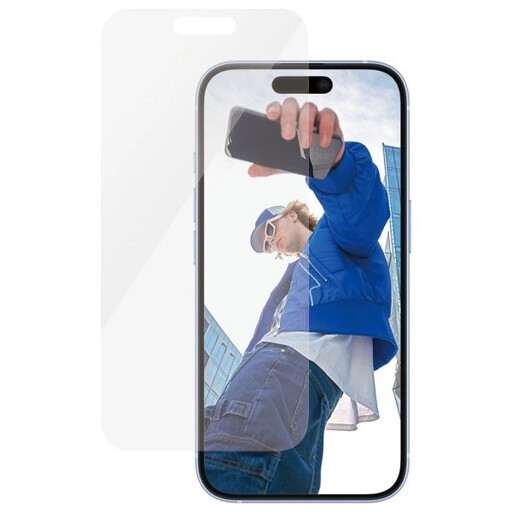
Why this product suits the profile: According to the product description, the Classic Fit format is designed for use with most smartphone cases. The specifications mention tempered glass, clear visibility, full touch response and an anti-fingerprint coating.
The deliberately less extensive fit reduces the risk of a case pressing against the edge. You should still check the exact shape of your case before buying.
Classic Fit, oleophobic anti-fingerprint coating and stated case compatibility for the iPhone 16.
We have put together a complete, regularly updated list of products that fully meet these strict selection criteria and the safety regulations applicable in the EU.
Use only the accessories supplied or a soft, dry cloth. Abrasive cleaners and solvents can damage coatings. Do not press down too firmly on the glass during installation and do not bend it. If cracks, sharp edges or lifting at the sides appear, the scratch-resistant screen protector should be replaced.
Also check regularly whether dust has got in around the edges. This is not only visually distracting, but can also affect adhesion. When buying a screen protector for a new smartphone, check the model designation again, even if the previous model looks similar.
It is not possible to give a reliable fixed lifespan. It depends on impacts, scratches, case compatibility and everyday use. Replace the screen protector as soon as it is damaged or the edges remain detached.
Clean the screen thoroughly, remove any dust and align the glass before peeling off the protective film. It is then usually pressed down from the centre outwards. Depending on the adhesive system, small air bubbles may disperse over time; larger bubbles containing trapped dust usually cannot be corrected completely.
A privacy filter can be a good choice for commuters and people who often view confidential content in public places. However, bear in mind that side viewing angles are restricted and the display may appear darker from certain positions.