
Lieferung heute & morgen

Qualitätsgarantie

Willkommens-Angebote freischalten: KOSTENLOSE Lieferung | Bis zu 80 % RABATT | Kostenlose 30-Tage-JoyPlus-Testphase
App herunterladen
A tempered glass phone screen protector is designed to protect your smartphone display from scratches, fingerprints and everyday knocks. However, not every protector fits every model reliably. Inaccurate product descriptions, poorly fitting edges or difficult installation can often lead to unnecessary expense.
This buying guide from the Joybuy Product Recommendation Officer explains which details really matter and which solutions suit different user profiles.
A screen protector for an iPhone 16 will not automatically fit an iPhone 16 Pro or iPhone 16 Pro Max. Differences in display size, speaker opening, camera cut-out and the edge of the casing can cause the protector to extend beyond the screen or leave important areas uncovered.
Before buying, check:
This applies to an iPhone screen protector just as much as to a Samsung screen protector. For example, a protector for the Samsung Galaxy A53 will not automatically be suitable for the Samsung Galaxy A54 5G.
9H tempered glass generally refers to a hardness rating from a pencil hardness test. It can indicate resistance to scratches, but does not guarantee that the display will remain undamaged after every fall. Even toughened glass can break under heavy pressure or an awkward impact.
An impact-resistant screen protector therefore does not eliminate every risk of damage. It is intended as an additional layer of protection and is no substitute for a sturdy phone case or careful handling of the device.
A protector that extends particularly far towards the edges offers greater coverage. At the same time, it can come loose if the smartphone case presses against the edges. A case-compatible screen protector usually leaves a small gap around the edge of the casing or is specifically designed for use with cases.
Also look out for:
For a tempered glass screen protector, the material should be clearly described as toughened glass or Tempered Glass. The 9H hardness rating is a common benchmark for resistance to everyday scratches caused by keys, coins or rubbing. However, it is not a guarantee against breakage.
A scratch-resistant screen protector should also have a smooth surface. An oleophobic coating can reduce the adhesion of skin oils and fingerprints. Hydrophobic coatings are designed to make liquids less likely to stick to the surface. Both features make cleaning easier, but do not prevent dirt completely.
High-quality display clarity depends on more than just the thickness of the glass. Light transmission, the adhesive layer and manufacturing precision are also important. Very thick glass can also be more noticeable around the edges.
Product descriptions should therefore provide information about:
A privacy screen protector adds another consideration: the screen is harder to see from the side, but may also appear darker as a result. This feature can be useful for commuters, office workstations or public spaces. If you often share content with other people, choose a clear protector instead.
A bubble-free installation depends heavily on preparation. Dust beneath the glass remains visible and can affect adhesion or touch response. An installation frame makes alignment considerably easier, but does not replace thorough cleaning.
Useful accessories include:
Install the protector in an environment that is as dust-free as possible. Clean the display, remove any remaining dust particles and then press the glass down from the centre outwards.
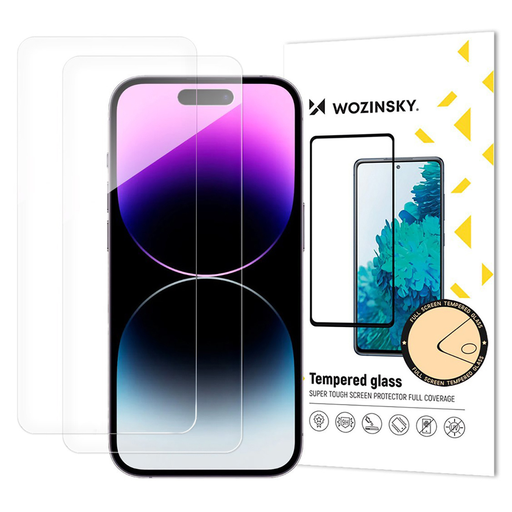
Why this product suits this profile: The two-pack includes a spare protector, along with cleaning wipes and dust-removal stickers for installation at home.
Compatibility is specified for the iPhone 17 Air. This removes the uncertainty of choosing a protector based only on a similar model name.
9H hardness, clear design, two-pack and installation accessories.
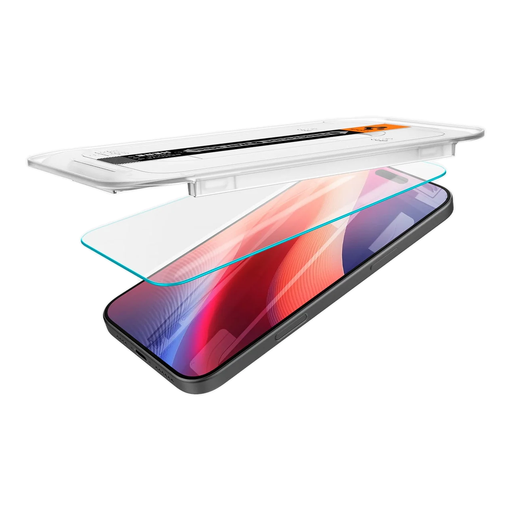
Why this product suits this profile: The EZ-Fit frame supports even alignment on the iPhone 16 Pro Max and is aimed at users who value a structured installation process.
The supplied frame reduces the risk of positioning the protector at an angle. The precise model description helps prevent you from buying a protector for a different iPhone variant.
0.58 mm thick 9H glass, 2.5D edges, oleophobic and hydrophobic coating, plus two screen protectors.
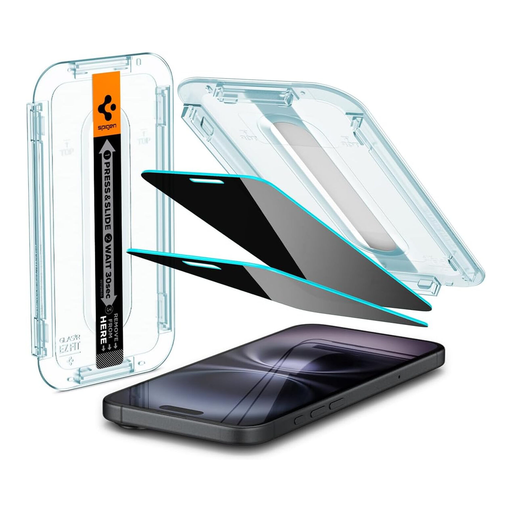
Why this product suits this profile: The side-view privacy protection is designed for commuters, office work and viewing sensitive content in public spaces.
The product description explicitly highlights the privacy effect and restricted side visibility. This makes the viewing compromise clear before purchase.
9H glass, two pieces per pack, adapter or installation template, and case-compatible design.
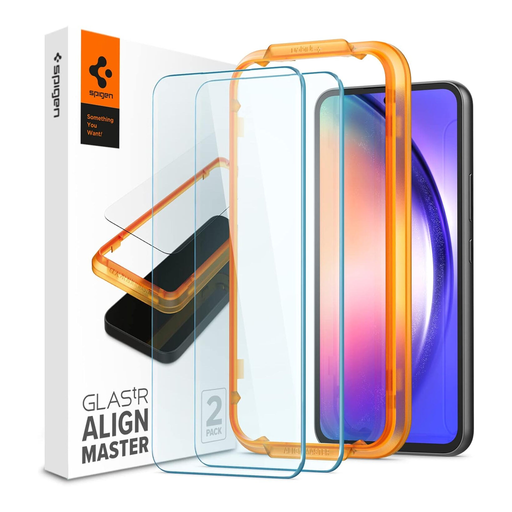
Why this product suits this profile: This version is specifically designed for the Samsung Galaxy A54 5G and is suitable for regular use with a protective case.
The details explicitly specify the model, hardness, installation aid and case compatibility. This makes it easy to check the key selection criteria before buying.
9H hardness, glossy surface, anti-fingerprint coating, precise cut-outs and two-pack.
Switch off your smartphone and work in a clean room without strong draughts. First clean the display with a damp cloth, then dry it. Use a sticker to remove dust before positioning the screen protector.
Carefully press the glass down from the centre towards the edges. Small air bubbles can often be smoothed out with a soft cloth. If there is dust beneath the glass, avoid repeatedly removing and reapplying the protector, as this can reduce the adhesive’s grip.
Replace a screen protector if it is cracked, chipped or noticeably scratched. Damaged glass can develop sharp edges. A screen protector is a wear component; its actual service life depends on everyday use, the case, transport and exposure to drops.
We have put together a complete, regularly updated list of products that fully meet these strict selection criteria and the safety regulations applicable in the EU.
The display and your hands should be as free from dust as possible. Clean the screen, use the supplied dust stickers and align the glass before removing the protective film. Then press it down from the centre outwards.
There is no general fixed lifespan. Replace the protector if you notice visible cracks, chips, significant scratching or if the phone has suffered an impact. Multipacks can provide a spare.
That depends on how you use it. A privacy screen protector can reduce visibility from the side, but it changes the viewing angle and can make it harder to share the screen. This feature can be useful on public transport or when working with confidential information.